
Common Car Warning Light Myths Debunked


Understanding Car Warning Lights
Car warning lights can be a source of anxiety for many drivers. These lights are designed to alert you to potential issues with your vehicle, but they are often misunderstood. It's important to know what these lights mean and how to respond appropriately.
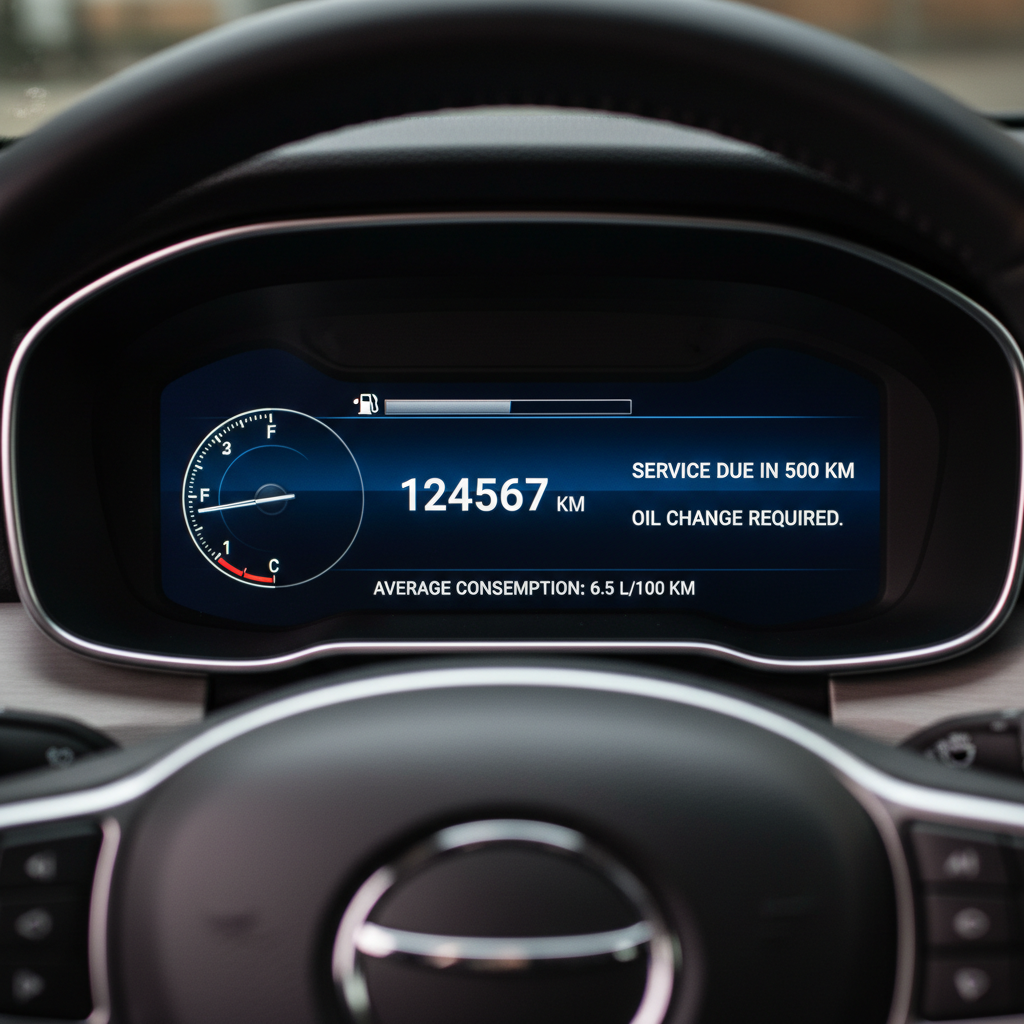
One common myth is that all warning lights indicate an immediate emergency. While some lights do require urgent attention, others are simply reminders for routine maintenance. Learning the difference can save you time and unnecessary stress.
Myth 1: The Check Engine Light Means Immediate Trouble
The check engine light is perhaps the most misunderstood warning signal. Many drivers panic when they see it, assuming their car is in dire straits. However, this light can be triggered by a variety of minor issues, such as a loose gas cap or a failing oxygen sensor.
If the light is steady, it usually indicates a non-emergency issue. A flashing light, however, should be addressed promptly, as it could signal a more serious problem. Always consult your vehicle's manual or a professional mechanic for guidance.
Myth 2: Ignoring Warning Lights Will Make Them Go Away
Some drivers believe that if they ignore a warning light long enough, the issue will resolve itself. This approach is not only misguided but potentially dangerous. Warning lights are there to alert you to problems that need attention.
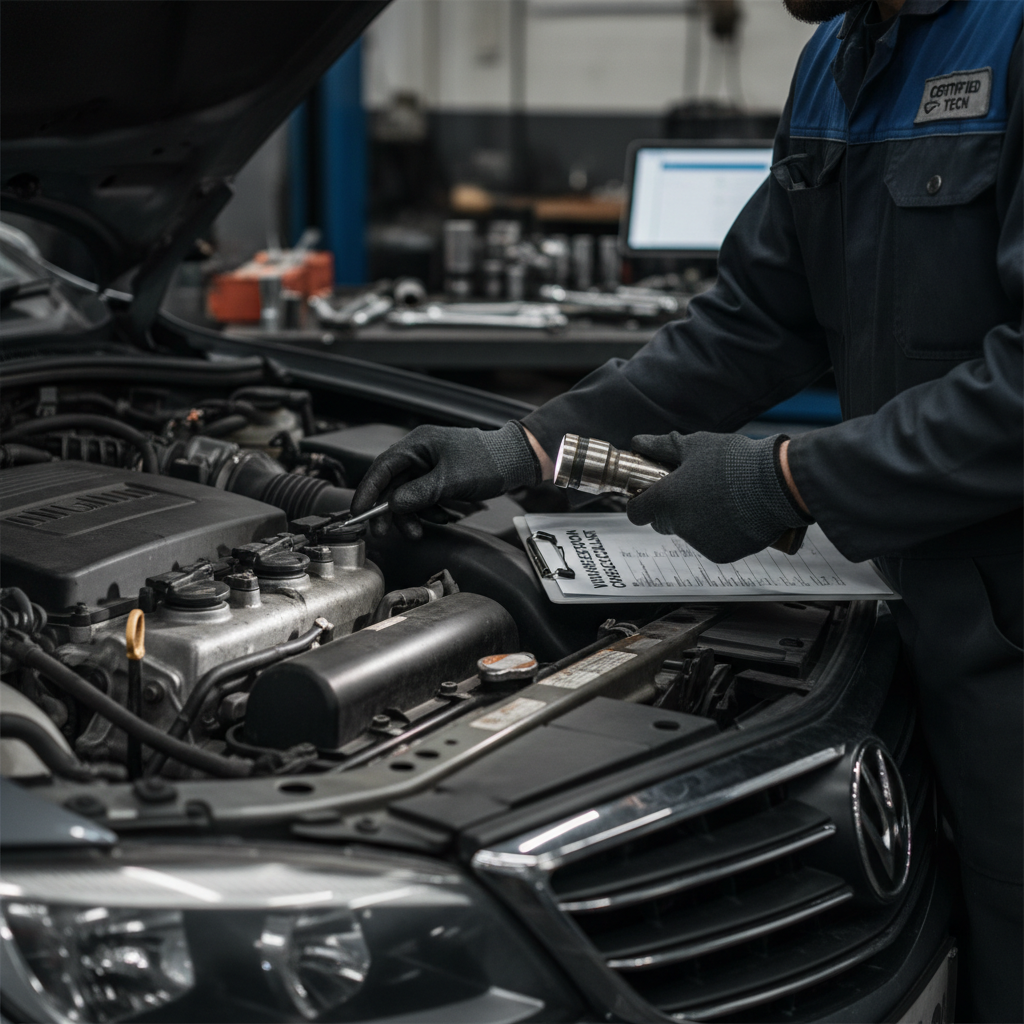
Ignoring these signals can lead to more severe damage and costly repairs. It's always best to investigate the cause of a warning light as soon as possible, ensuring your safety on the road.
Myth 3: All Warning Lights Are Universal
Another common misconception is that all warning lights are the same across different vehicles. While there are standard symbols, each car manufacturer may have unique indicators. Familiarize yourself with your specific vehicle's dashboard to avoid confusion.
Your owner's manual is a valuable resource for understanding what each light means and how to respond. Don't rely solely on general information—know your car's specific requirements.
Myth 4: A Red Light Always Means Stop
Red warning lights often suggest a serious issue, but they're not always an immediate stop sign. For example, a red oil pressure light means you should stop and check your oil levels, but a red brake light might just indicate the parking brake is engaged.
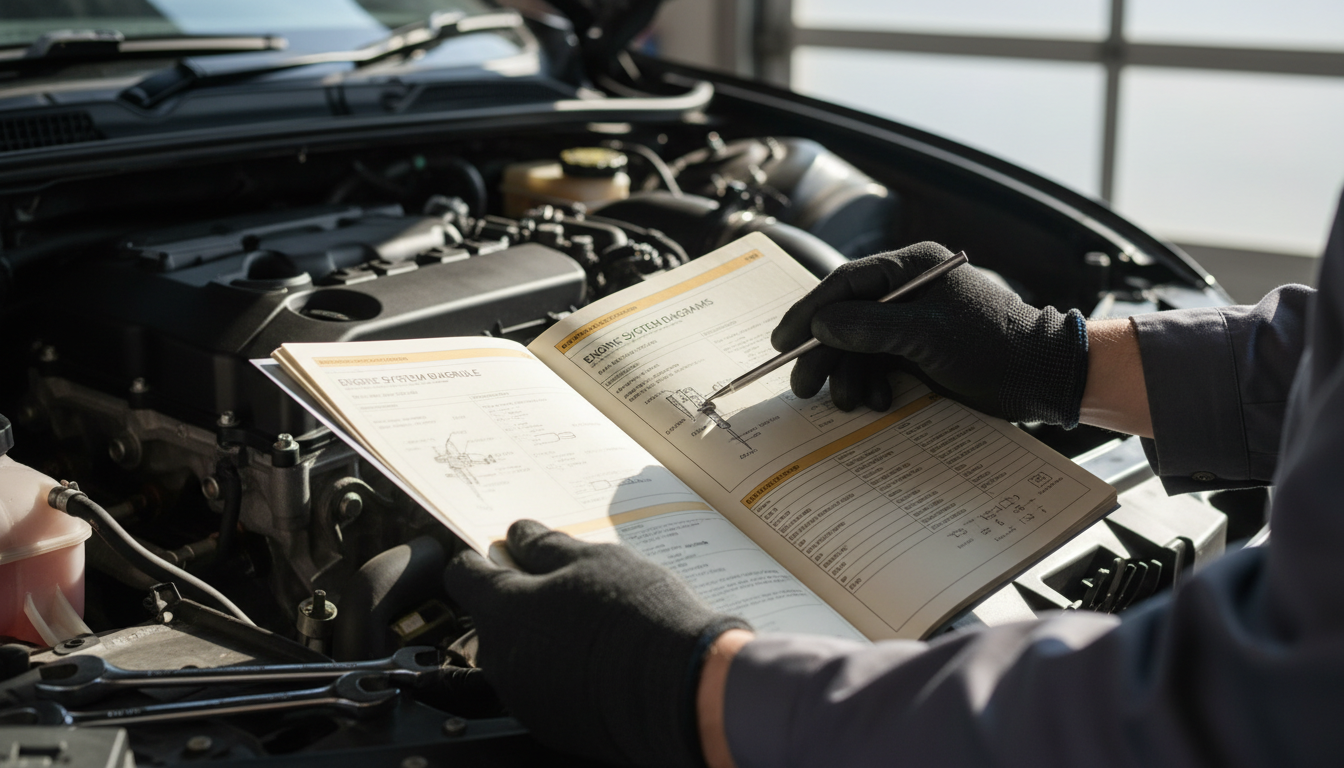
Understanding the context of each red light is crucial. If unsure, err on the side of caution and seek professional advice to avoid unnecessary risk.
Conclusion: Staying Informed and Safe
By debunking these common myths, you can approach car warning lights with confidence and clarity. Always keep your vehicle's manual handy and don't hesitate to consult a professional when in doubt. Staying informed is key to maintaining your car's health and your peace of mind on the road.