
Common Dashboard Warning Lights Explained by a Bristol Car Diagnostics Expert


When driving, it’s crucial to pay attention to the dashboard warning lights. These small indicators can provide early warnings about potential issues with your vehicle. Understanding what each light means can help you respond appropriately and keep your car in good working condition. Here’s a guide from a Bristol car diagnostics expert to help you navigate these signals.
Engine Warning Light
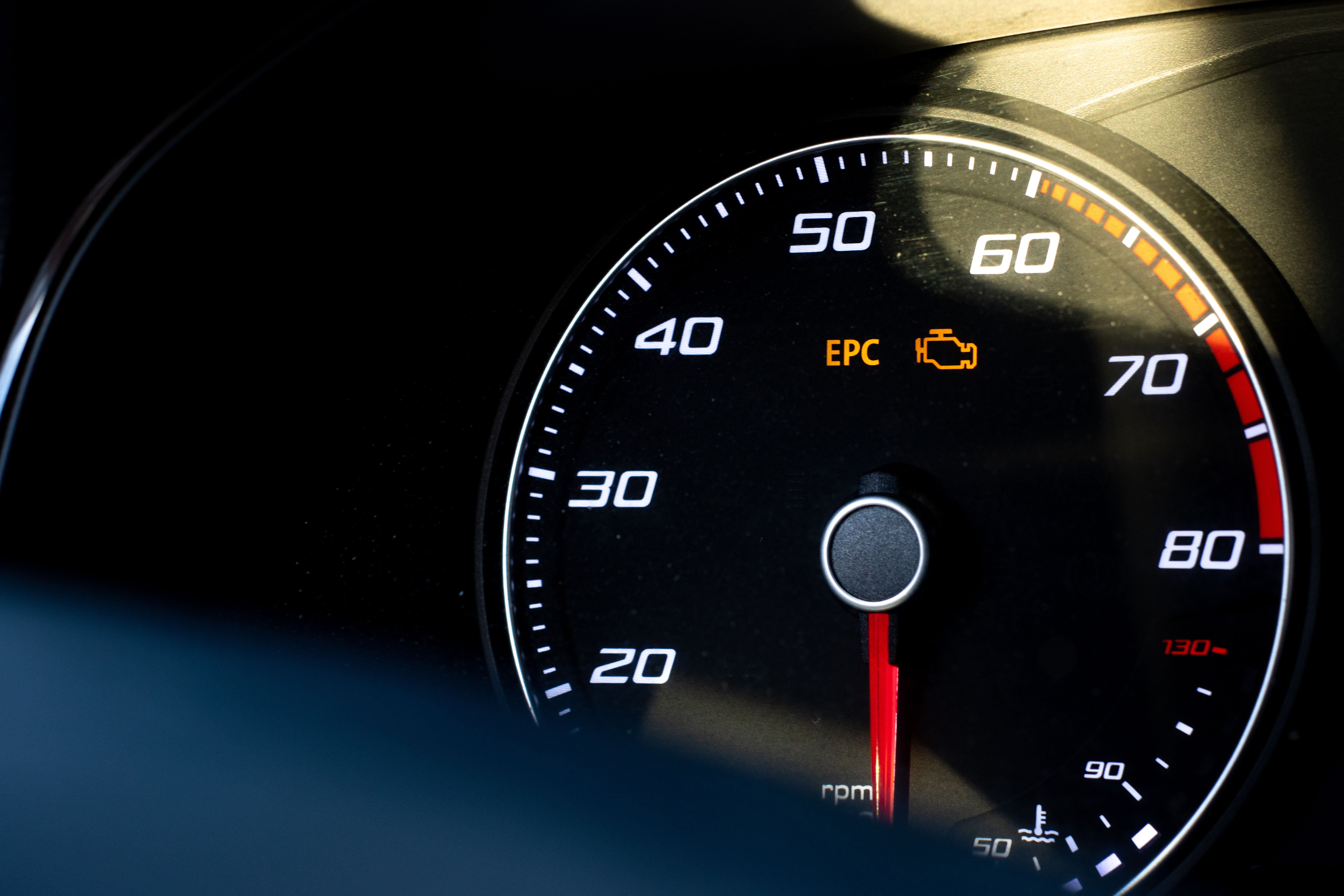
The engine warning light is one of the most common lights that can appear on your dashboard. It often looks like a stylized engine and can indicate a range of issues from a loose fuel cap to something more serious like engine misfiring.
If this light comes on, it’s advisable to have your car checked by a professional as soon as possible to prevent further damage. Ignoring this warning could lead to decreased performance and increased emissions.
Brake System Warning Light
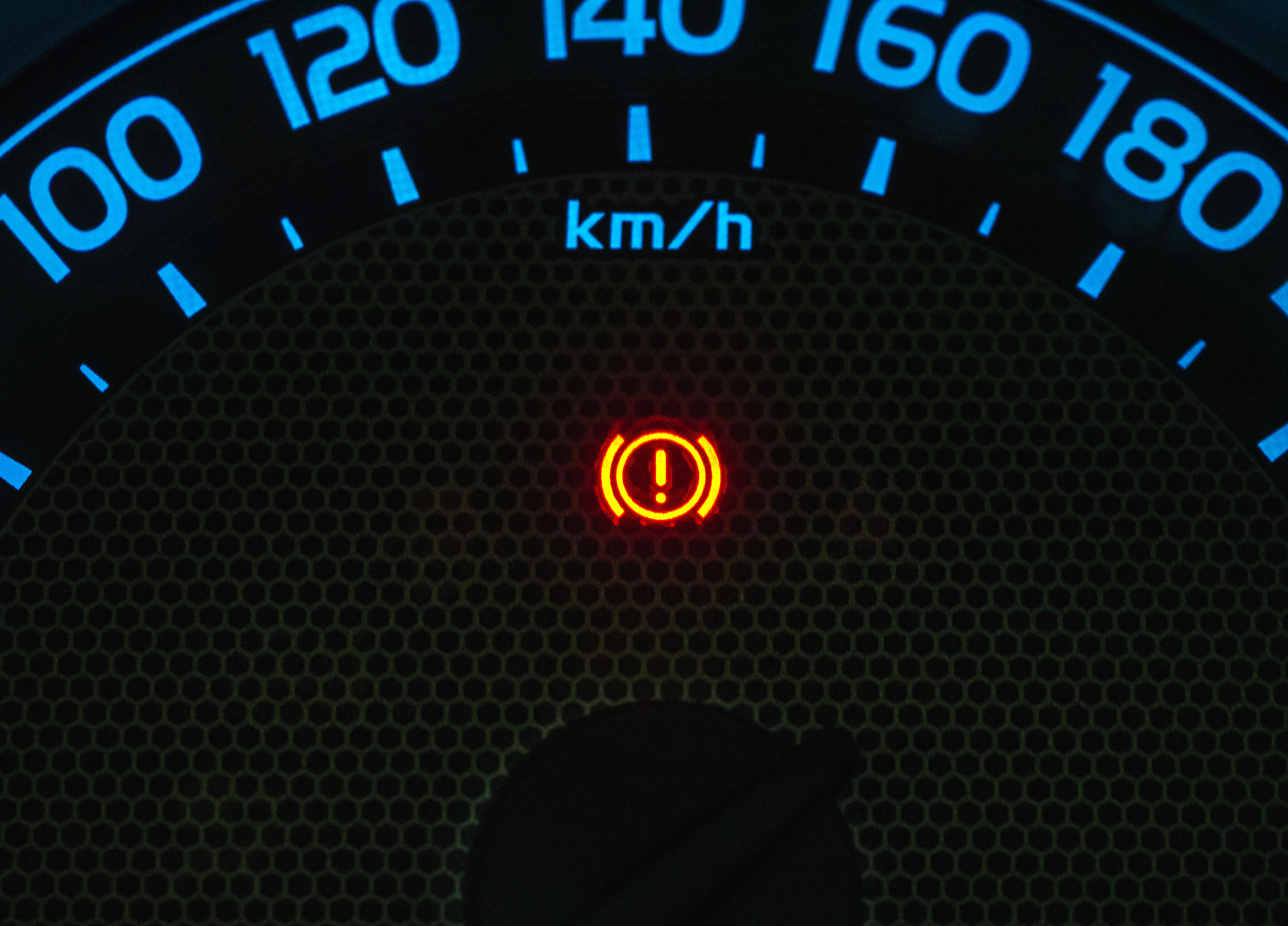
The brake system warning light can indicate a number of issues related to your car’s braking system. It might be something as simple as the parking brake being engaged, or it could signal a more severe problem like low brake fluid or worn brake pads.
Given the critical nature of your car’s braking system, it’s important to address any issues immediately. Ensuring your brakes are in top condition is essential for safe driving.
Battery Charge Warning Light
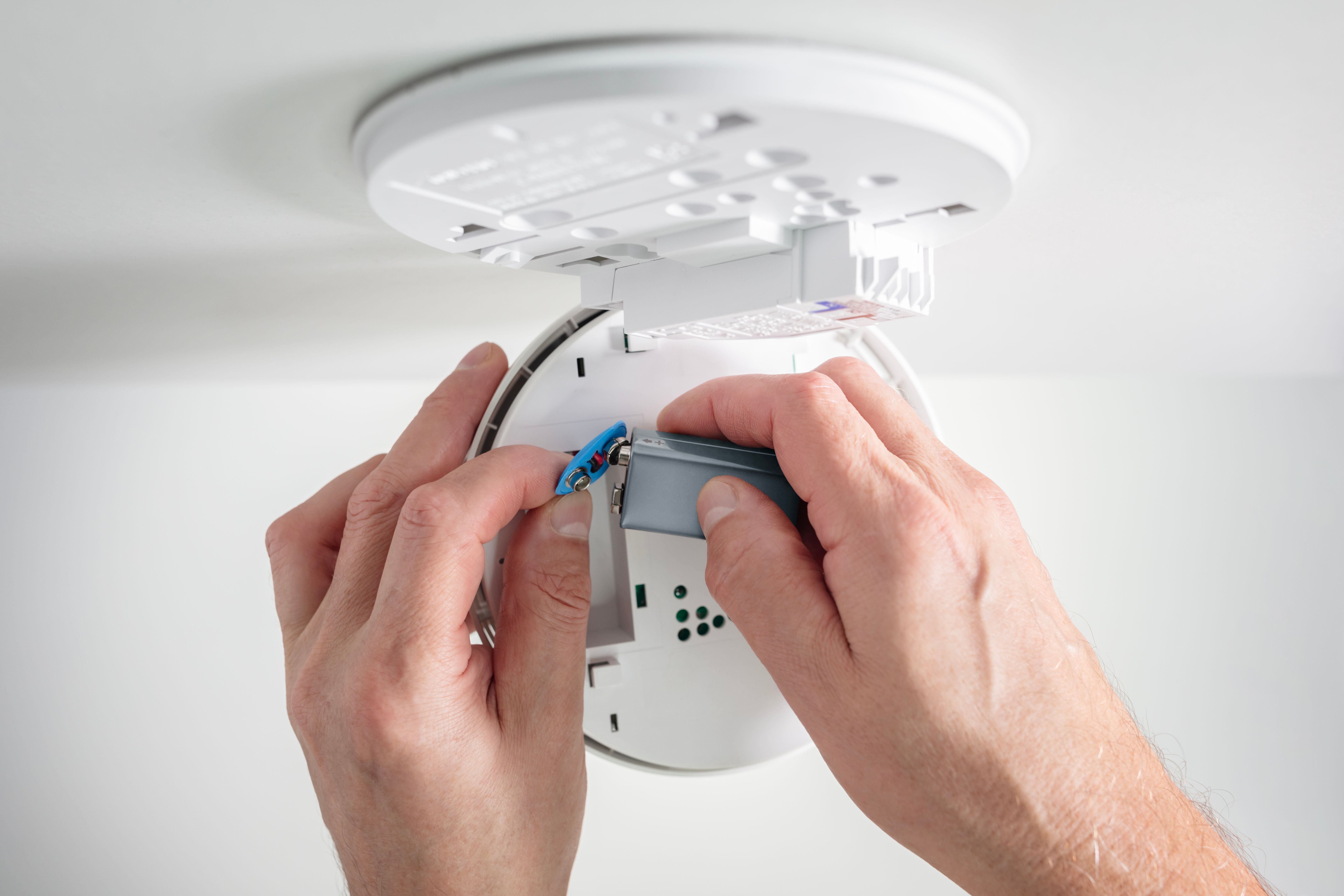
If the battery charge warning light appears on your dashboard, it means there could be a problem with your car’s charging system. This might be due to a failing alternator, a loose battery cable, or an aging battery.
Prompt attention is required here, as a failing charging system can leave you stranded with a car that won’t start. Regular checks and maintenance can help prevent this issue.
Oil Pressure Warning Light
The oil pressure warning light typically looks like an oil can with a drip. It’s a critical warning that indicates your engine’s oil pressure has dropped. This could be due to low oil levels or a more serious engine problem.
Running your engine with low oil pressure can cause severe damage. If this light appears, it’s important to stop driving immediately and check your oil level, adding oil if necessary. If the light remains on, consult a professional mechanic.
Tire Pressure Warning Light
The tire pressure warning light usually resembles an exclamation point inside a horseshoe shape. This light alerts you when one or more tires have low pressure, which can affect your car’s handling and fuel efficiency.
Regularly checking your tire pressure can help prevent this light from appearing. Ensuring your tires are properly inflated is essential for optimal vehicle performance and safety.

ABS Warning Light
The ABS warning light signifies an issue with your car’s anti-lock braking system. While your regular brakes will still function, the ABS might not be operational, potentially affecting braking performance in slippery conditions.
It's advisable to have your ABS checked by a professional to ensure your vehicle's braking system remains at peak efficiency. Safety should always be a priority.
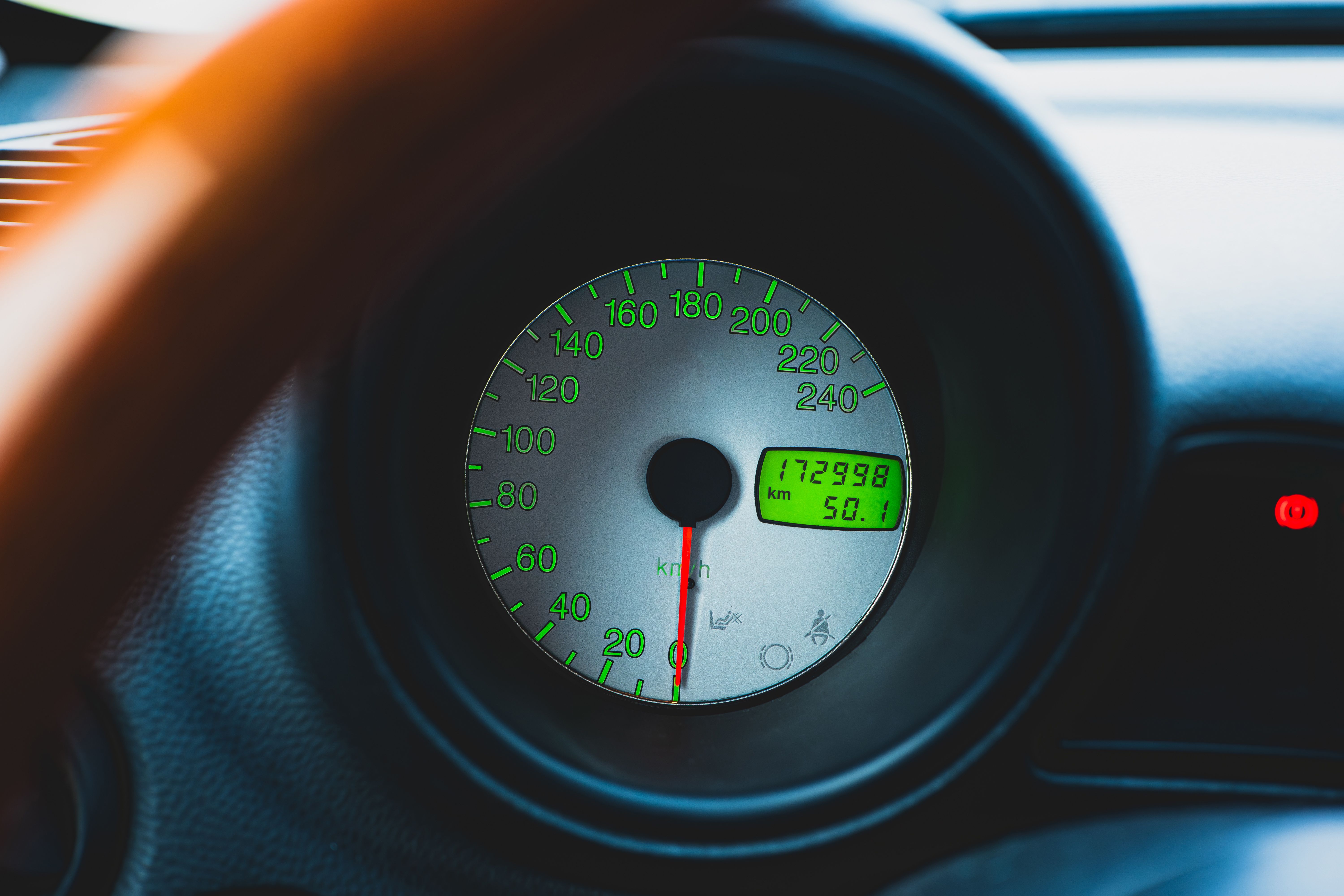
Understanding these dashboard warning lights can help you maintain your vehicle effectively and ensure your safety on the road. Regular maintenance and timely diagnostics from experts in Bristol can save you from costly repairs and provide peace of mind.