
DIY Car Diagnostic Tips: When to Call a Professional in Bristol


Maintaining your car’s health is crucial, and with the right tools and knowledge, some diagnostic tasks can be done right in your driveway. However, knowing when to call a professional can save you time and money. Here are some DIY car diagnostic tips and advice on when to reach out to an expert in Bristol.
Understanding Your Car’s Warning Lights
Modern cars are equipped with numerous sensors that trigger warning lights on your dashboard. Understanding these lights can help you diagnose potential issues.
Common Warning Lights
The most common lights include the check engine light, oil pressure warning, battery alert, and brake warning. While some may indicate minor issues, others require immediate attention.
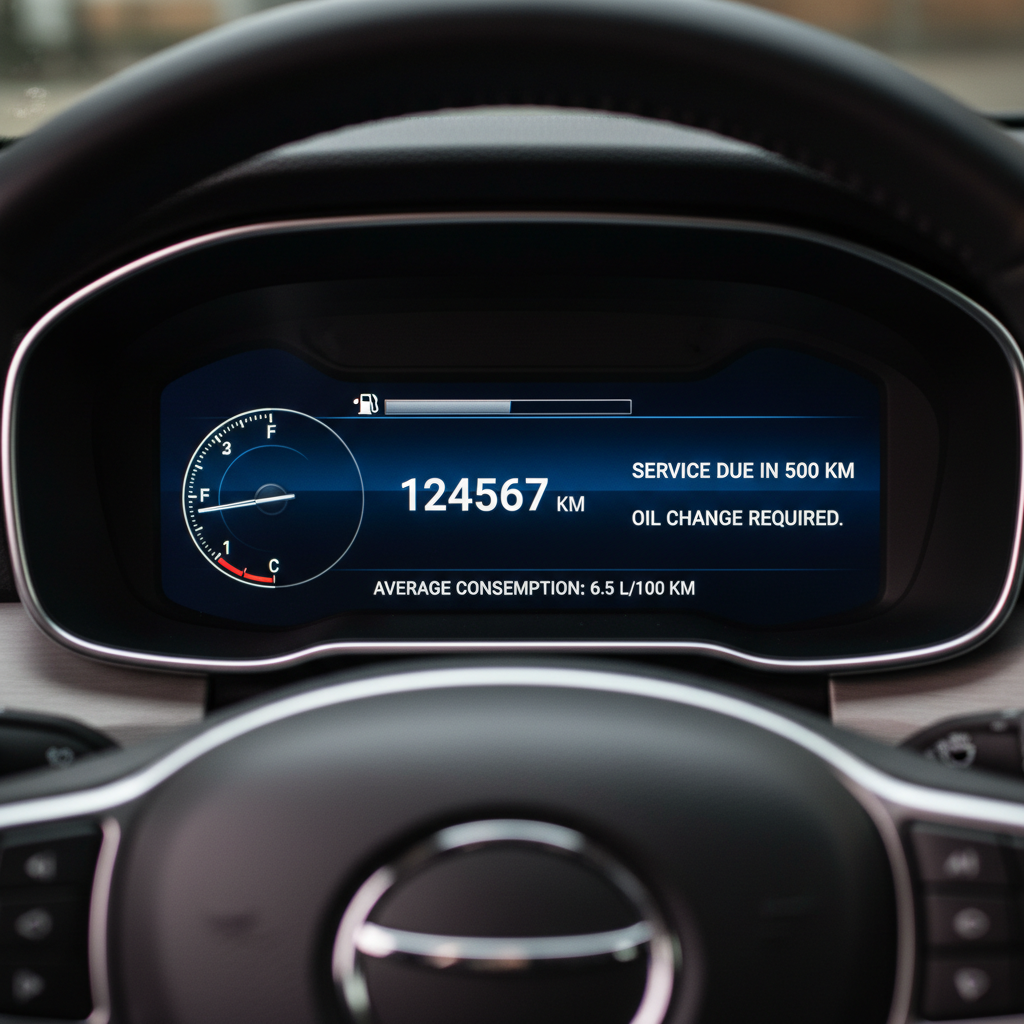
If you notice a flashing check engine light, it's a sign of a serious issue, such as a misfire. In such cases, contacting a professional mechanic in Bristol is essential.
Using an OBD-II Scanner
An OBD-II scanner is a handy tool for car diagnostics. It reads error codes from your vehicle's computer system, helping you pinpoint issues.
How to Use an OBD-II Scanner
- Locate the OBD-II port under your dashboard.
- Plug in the scanner and turn the ignition to the "on" position.
- Read the codes and refer to the manual or online resources for interpretation.
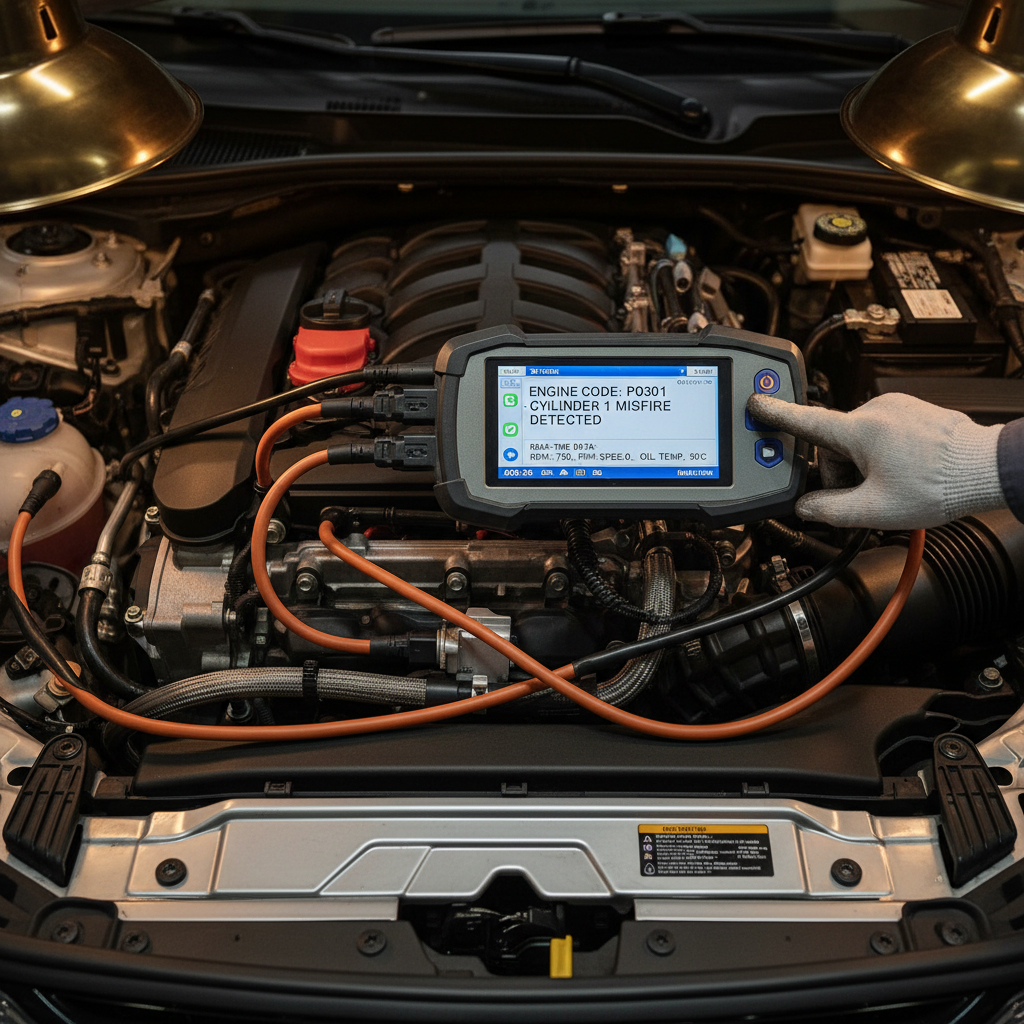
While an OBD-II scanner provides valuable insights, some codes may be complex. If you're unsure, it's wise to consult a professional.
Inspecting Fluids and Belts
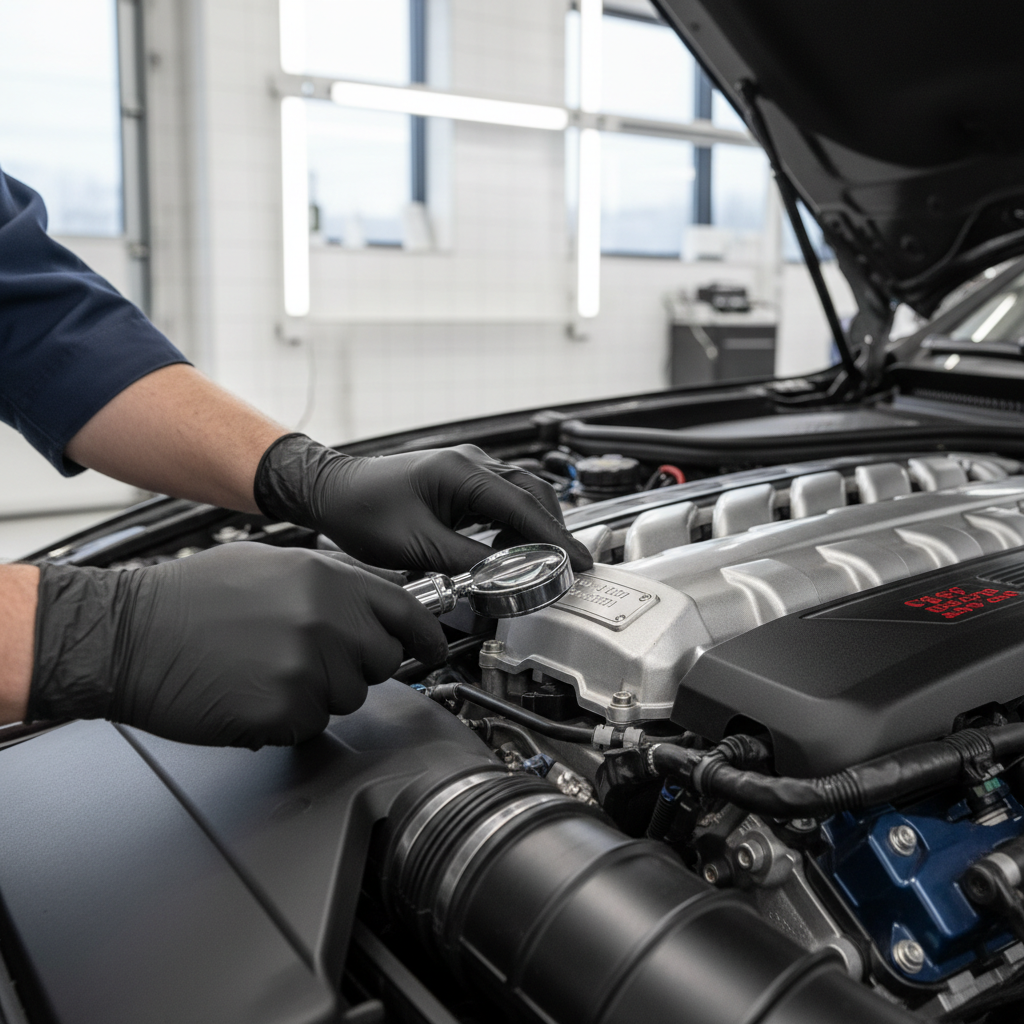
Regularly checking your car’s fluids and belts can prevent breakdowns. Look for signs of wear or leaks in belts and ensure fluids are at the correct levels.
When to Seek Professional Help
If you discover a significant leak or hear unusual noises from the belts, it’s advisable to have a professional mechanic inspect your vehicle. Ignoring these issues can lead to costly repairs.
Listening for Unusual Sounds
Your car can communicate problems through sounds. Pay attention to any unusual noises when driving, braking, or idling.
Common Sounds and Their Meanings
- Squealing: Often related to worn-out brakes.
- Knocking: Could indicate engine problems.
- Grinding: Usually a sign of transmission issues.
If you hear any of these sounds, it's best to call a professional in Bristol to prevent further damage.
Conclusion
While DIY diagnostics can be effective for minor issues, it's crucial to recognize when professional help is needed. By understanding your vehicle’s needs and seeking expert advice when necessary, you can ensure your car remains in top condition while driving around Bristol.