
DIY Car Diagnostics: How to Check Your Dashboard Warning Lights at Home


Understanding Your Dashboard Warning Lights
Your car's dashboard is like a control center, offering crucial insights into the health of your vehicle. Among the most important indicators are the warning lights, which alert you to potential issues. Understanding these lights can help you diagnose problems early and avoid costly repairs. In this guide, we’ll walk you through how to check and interpret these lights at home.
Common Dashboard Warning Lights
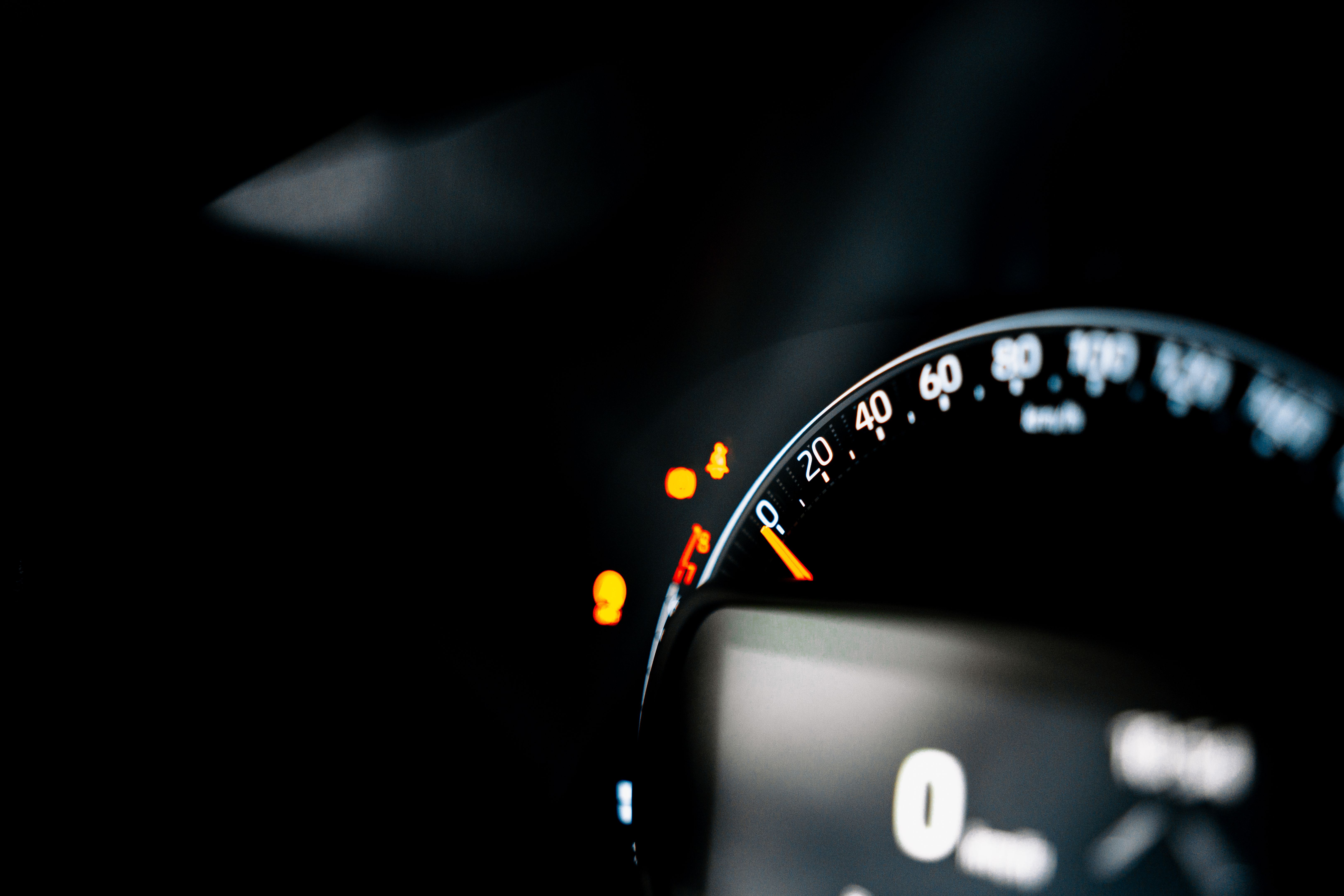
Dashboard warning lights can vary by make and model, but some are universally recognized. Here are a few common ones:
- Check Engine Light: Indicates a problem with the engine or emissions system.
- Battery Alert: Signals an issue with the charging system.
- Oil Pressure Warning: Suggests low oil pressure, which could damage the engine.
- Brake System Warning: Could mean low brake fluid or an issue with the brakes themselves.
Check Engine Light
The check engine light is one of the most ambiguous but crucial indicators. It can be triggered by a variety of issues ranging from a loose gas cap to a serious engine problem. Here’s how to handle it:
- Check the Gas Cap: Ensure that it is tightened properly, as this is a common cause of the light.
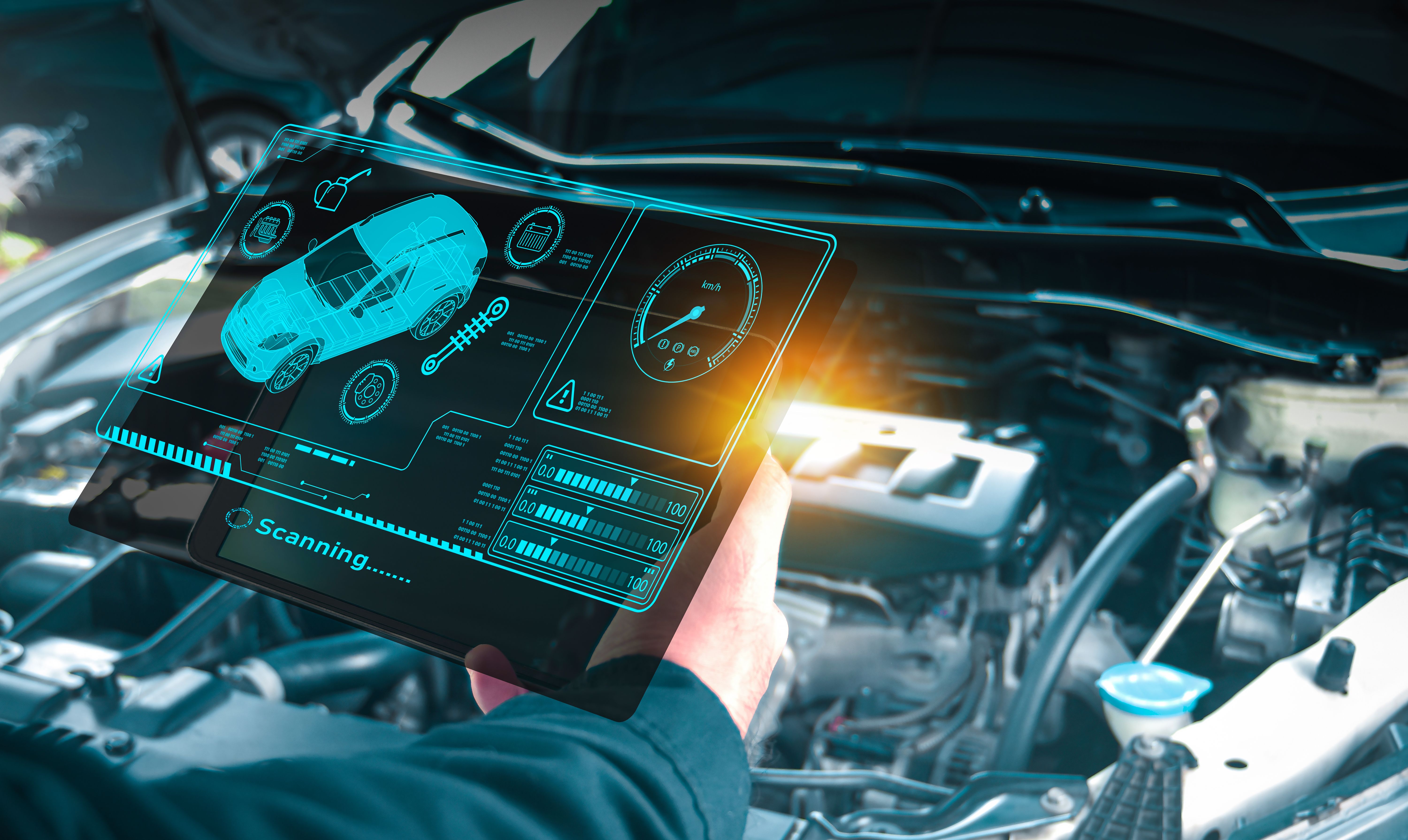
- Use an OBD-II Scanner: This tool can read diagnostic codes from your car’s computer, helping you pinpoint the issue.
Battery Alert
A battery alert light can indicate that your car's battery isn't charging properly. This could be due to a failing alternator or a problem with the battery itself. Here’s what to do:
- Inspect the Battery: Check for corrosion on the terminals and ensure connections are tight.
- Test the Alternator: Use a multimeter to measure the voltage output; it should be around 13.8 to 14.2 volts when the engine is running.
Oil Pressure and Brake System Warnings
Low oil pressure and brake system warnings are serious and require immediate attention. Low oil pressure can lead to engine damage, while brake issues can compromise your safety. If you see these lights:
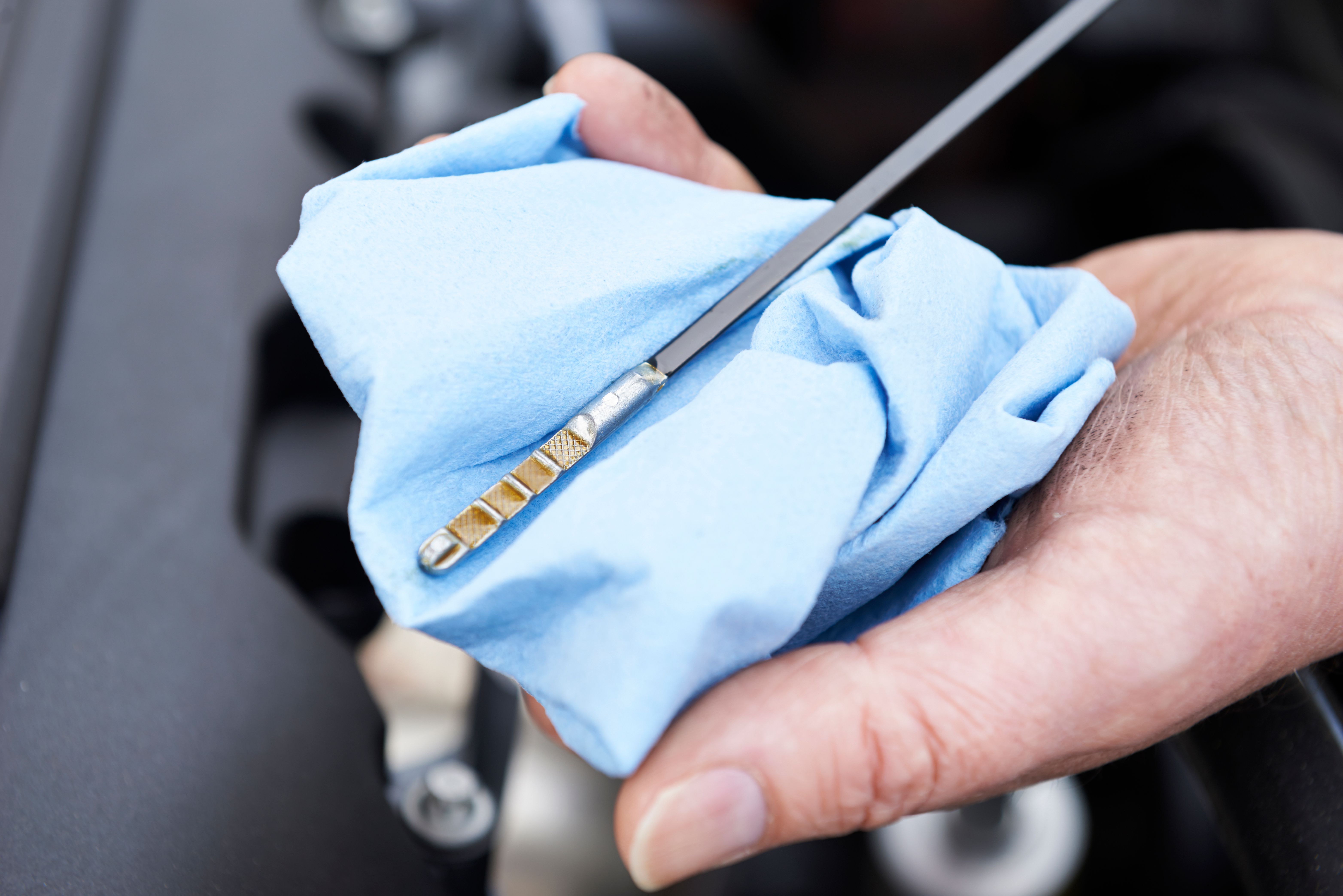
- Check Oil Levels: Use the dipstick to ensure your oil is at the recommended level.
- Inspect Brake Fluid: Ensure the fluid is at the proper level and look for any visible leaks.
When to Seek Professional Help
While DIY diagnostics can be effective, some issues require professional expertise. If the warning light persists after your checks, or if you’re unsure about the problem, it’s wise to consult a mechanic. Ignoring persistent warning lights can lead to further damage and higher repair costs.
By understanding and addressing dashboard warning lights, you can maintain your car’s health and ensure a safer driving experience. Regular maintenance and timely diagnostics are key to keeping your vehicle in top condition.