
DIY Tips for Basic Engine Light Troubleshooting


Understanding the Check Engine Light
The check engine light is a ubiquitous feature in modern vehicles, designed to alert drivers to potential issues. When this light illuminates, it can signify anything from a loose gas cap to something more serious. Understanding the basics of what this light represents can save you time and money.
Before you panic, remember that a glowing check engine light doesn’t always mean an immediate and costly repair. Sometimes, the solution is simpler than you might think.
Initial Steps for Troubleshooting
Check for Obvious Issues
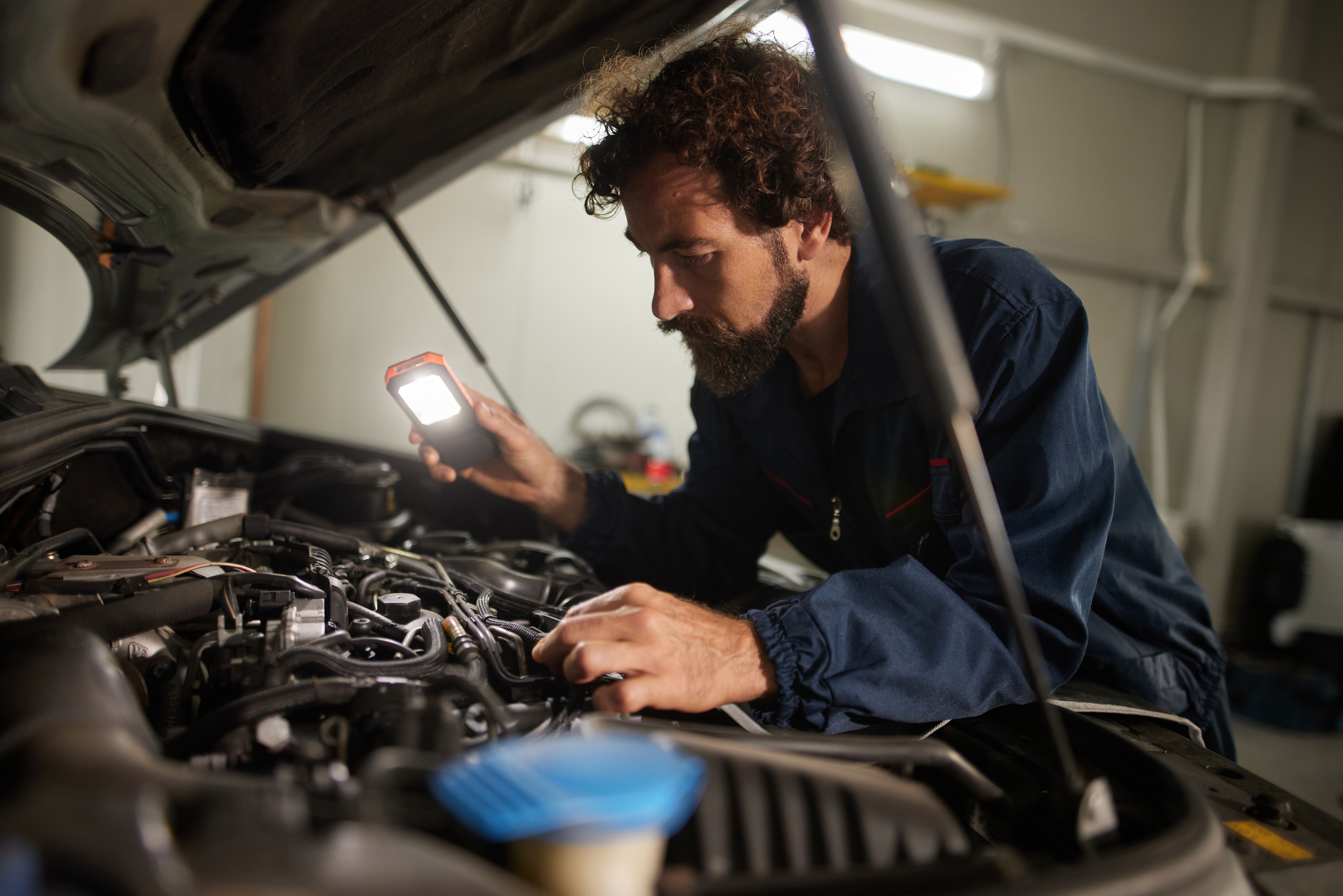
When your check engine light comes on, the first step is to check for any obvious issues. Ensure your gas cap is tightened properly, as a loose cap can trigger the light. If the vehicle recently had maintenance, make sure all connections are secure.
Use an OBD-II Scanner
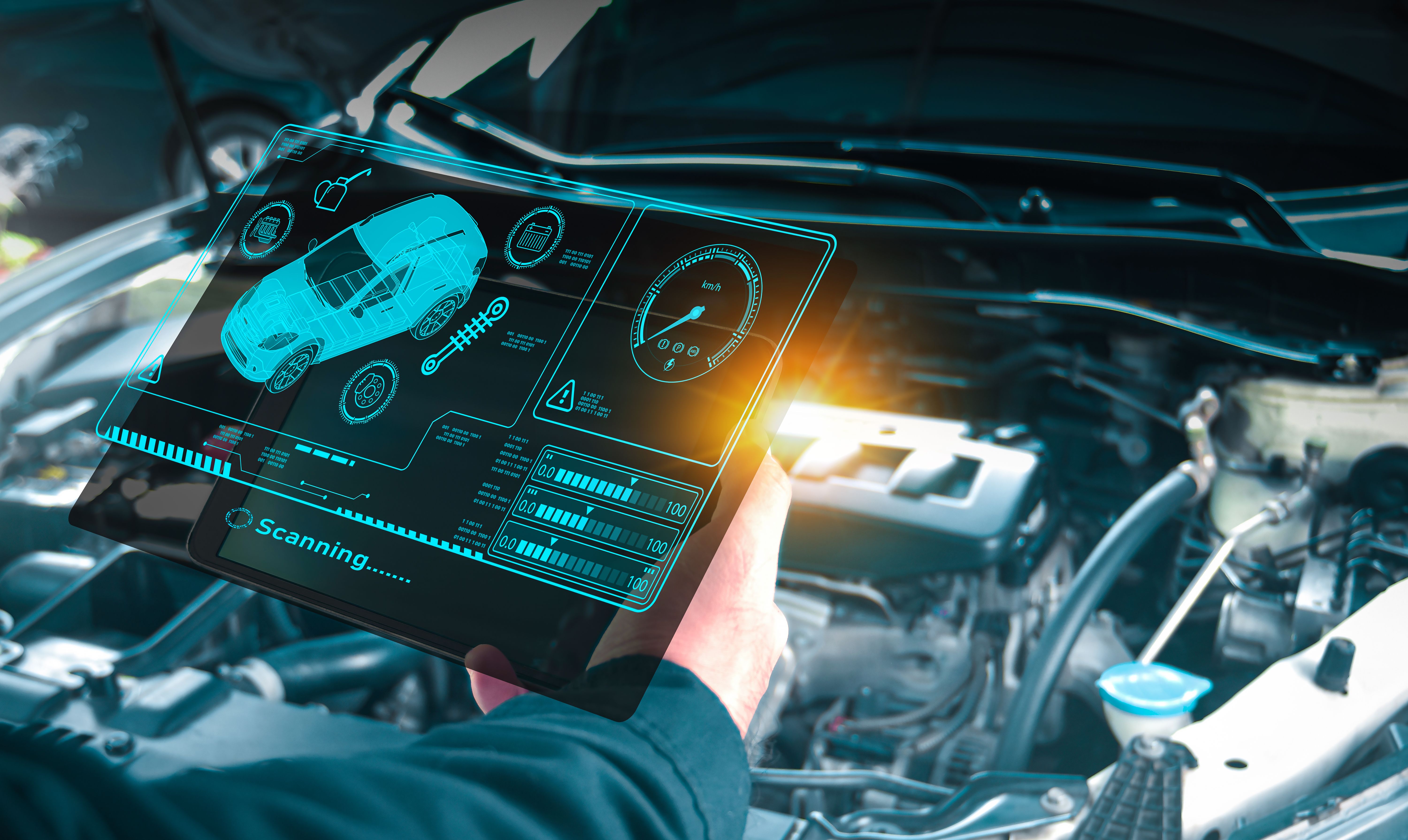
An OBD-II scanner is a valuable tool for diagnosing check engine light issues. These devices connect to your car’s computer system and can read diagnostic trouble codes (DTCs) that help identify the problem. Many auto parts stores offer free use of these scanners, or you can purchase one for personal use.
Interpreting Diagnostic Trouble Codes
After using an OBD-II scanner, you'll receive a series of codes. Research these codes using the scanner’s manual or online databases to understand what they mean. Some codes may indicate simple fixes, while others might require professional attention.
- P0171 – System Too Lean
- P0300 – Random/Multiple Cylinder Misfire Detected
- P0420 – Catalyst System Efficiency Below Threshold
When to Seek Professional Help
While DIY troubleshooting can resolve many issues, there are times when a professional mechanic is necessary. If the check engine light flashes rather than remains steady, it typically indicates a more urgent problem such as a misfire, which can damage the catalytic converter.

Additionally, if you’re unable to resolve the issue after basic troubleshooting, or if the problem requires specialized tools or knowledge, it’s wise to consult a professional.
Preventing Future Issues
Regular vehicle maintenance is crucial in preventing check engine light issues. Keep up with scheduled services, such as oil changes and air filter replacements, to ensure your car runs smoothly. Pay attention to any unusual sounds or behaviors, and address them promptly.
By following these DIY tips and maintaining your vehicle, you can reduce the chances of unexpected check engine light surprises, ensuring a smoother driving experience.