
Expert Tips: Preventing Dashboard Light Issues Before They Start


Understanding Dashboard Lights
Dashboard lights are an essential component of your vehicle's communication system. They alert you to potential issues and help maintain your car's health. However, frequent dashboard light warnings can be frustrating. Understanding their meaning and knowing how to address them can save you time and money.
Regular Maintenance Checks
One of the most effective ways to prevent dashboard light issues is through regular maintenance checks. Routine inspections can identify and resolve minor problems before they escalate. Make sure to follow your vehicle's maintenance schedule, which typically includes oil changes, tire rotations, and brake inspections.
By keeping your vehicle well-maintained, you reduce the likelihood of unexpected dashboard warnings. Regular checks also enhance your car's performance and longevity.
Monitor Fluid Levels
Fluids play a crucial role in your car's operation. Regularly checking and maintaining proper fluid levels can prevent dashboard light alerts. Essential fluids to monitor include engine oil, coolant, brake fluid, and transmission fluid.
- Engine Oil: Check the oil level monthly and change it as recommended.
- Coolant: Ensure your coolant levels are adequate, especially before long trips.
- Brake Fluid: Low brake fluid levels can trigger warning lights; top up when necessary.
- Transmission Fluid: Check for leaks and maintain the right level for smooth gear shifts.

Inspect Electrical Components
Electrical issues are a common cause of dashboard light problems. Regularly inspect your vehicle's battery, wiring, and fuses. Corroded or loose battery connections can cause intermittent dashboard alerts. It's wise to replace your car battery every three to five years to avoid unexpected failures.
Additionally, check your vehicle's fuses for any signs of damage or wear. Replacing faulty fuses can prevent dashboard lights from malfunctioning.
Tire Pressure Monitoring
Maintaining proper tire pressure is vital for safety and fuel efficiency. Many modern vehicles are equipped with a Tire Pressure Monitoring System (TPMS) that alerts you when tire pressure is low. To prevent these warnings, regularly check your tire pressure and inflate tires to the recommended levels.
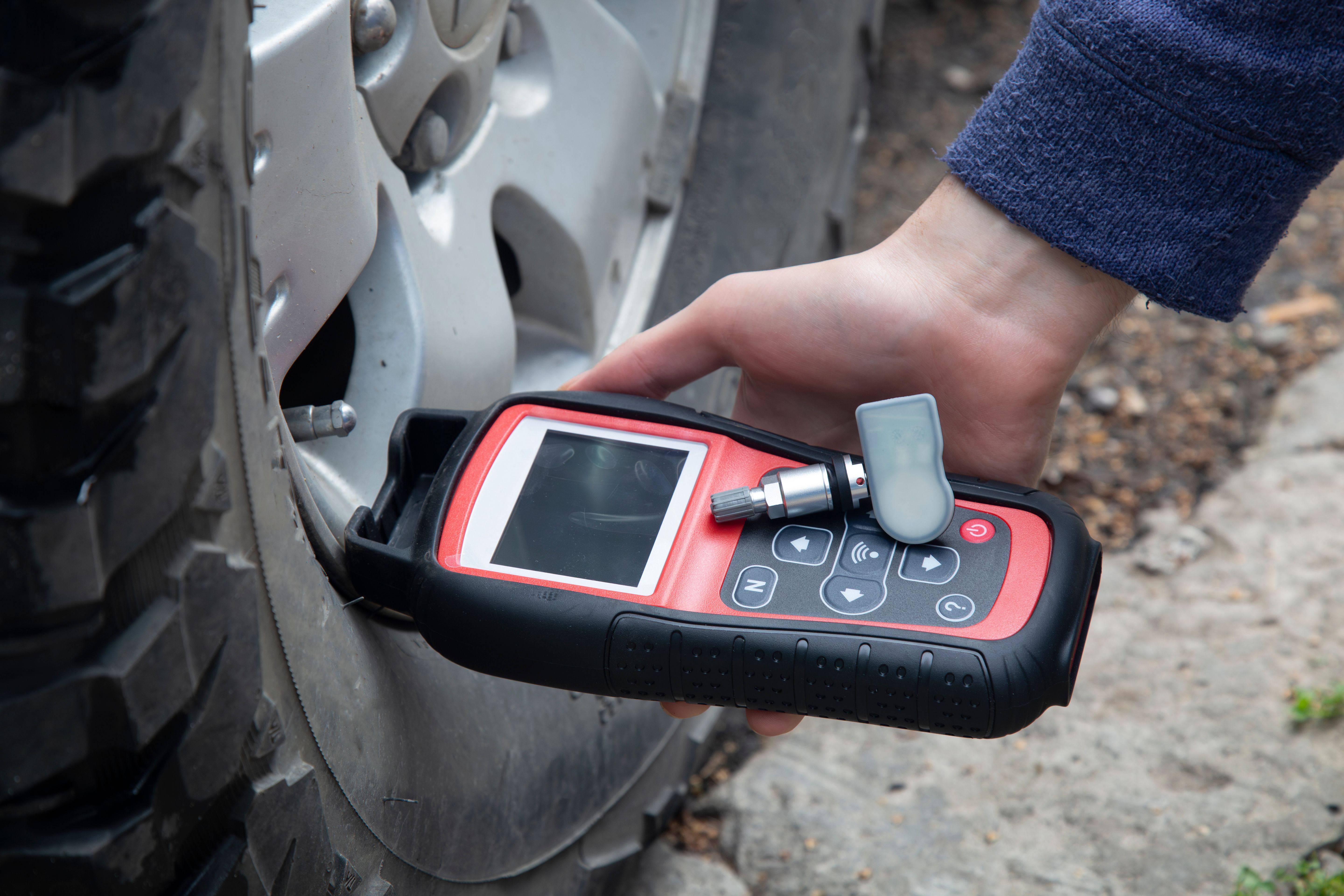
Proper tire maintenance not only prevents dashboard light issues but also extends the life of your tires, providing a smoother and safer driving experience.
Addressing Sensor Problems
Modern vehicles rely heavily on sensors to monitor various systems. Faulty sensors can trigger unnecessary dashboard warnings. If you suspect a sensor issue, consult a professional mechanic for a diagnostic check. Replacing or recalibrating sensors can often resolve these problems.
By taking proactive steps in maintaining your vehicle, you can significantly reduce the likelihood of encountering dashboard light issues. Regular maintenance, fluid checks, and attention to electrical components and sensors are key strategies to keep your dashboard lights off and your car running smoothly.