
Expert Tips: Preventing Dashboard Warning Light Issues


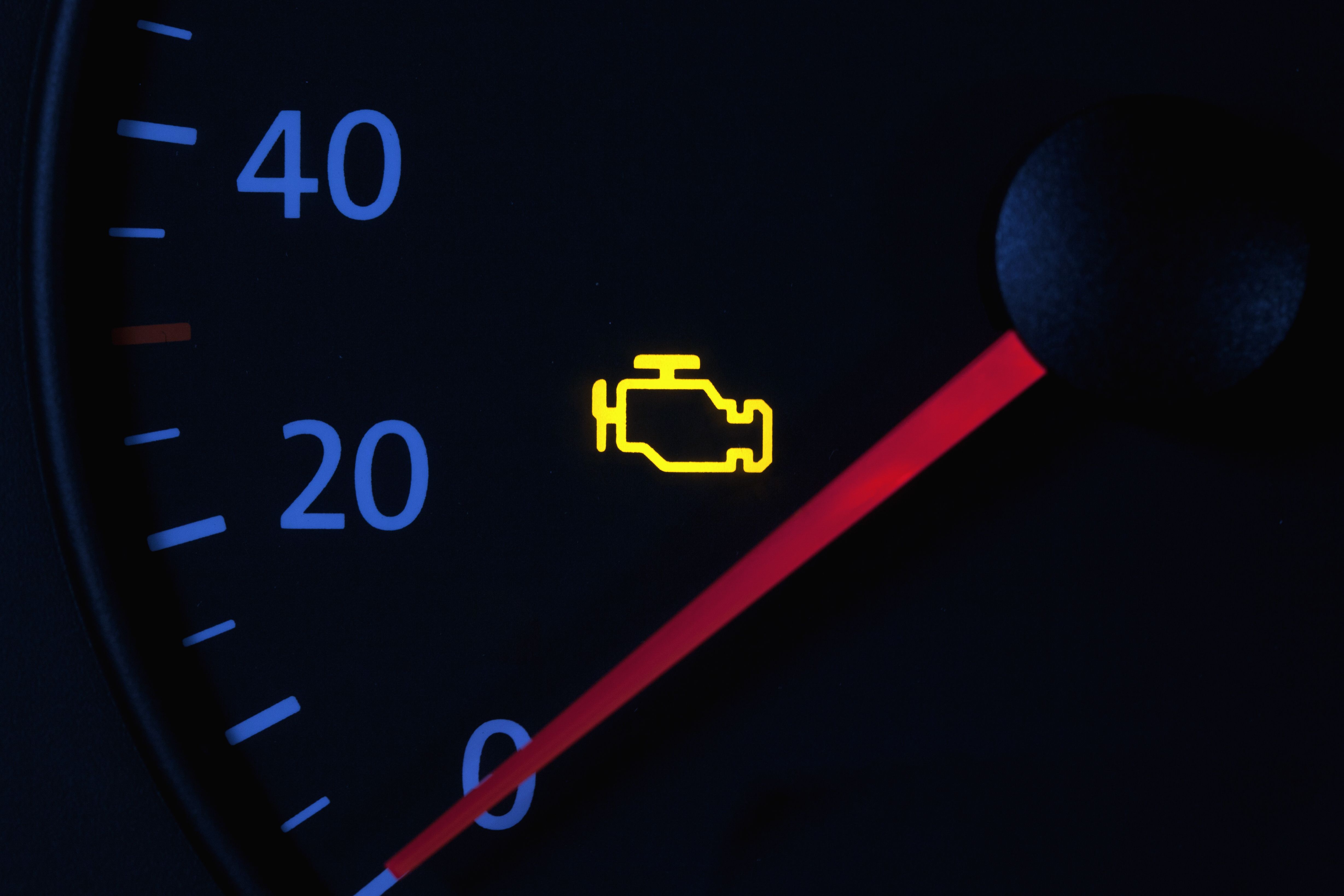
Dashboard warning lights are critical indicators designed to alert you to potential issues with your vehicle. Ignoring these signals can lead to costly repairs and unsafe driving conditions. To help you avoid dashboard warning light issues, we've gathered some expert tips that will ensure your vehicle remains in top condition.
Regular Maintenance Checks
One of the simplest ways to prevent dashboard warning lights from illuminating is by keeping up with regular maintenance. Scheduled services such as oil changes, brake inspections, and tire rotations are vital. These checks ensure that your vehicle's systems are functioning correctly and can preemptively catch issues before they escalate.
Make it a habit to follow your vehicle manufacturer’s maintenance schedule. This proactive approach will help you avoid unexpected surprises and keep those warning lights off.
Monitor Fluid Levels
Fluids such as engine oil, coolant, brake fluid, and transmission fluid are essential for your vehicle's performance. Low or contaminated fluids can trigger warning lights on your dashboard. Regularly checking and replenishing these fluids can prevent potential problems.
Consider using quality fluids recommended by your vehicle's manufacturer. This ensures optimal performance and helps avoid damage to critical components.
Battery Health
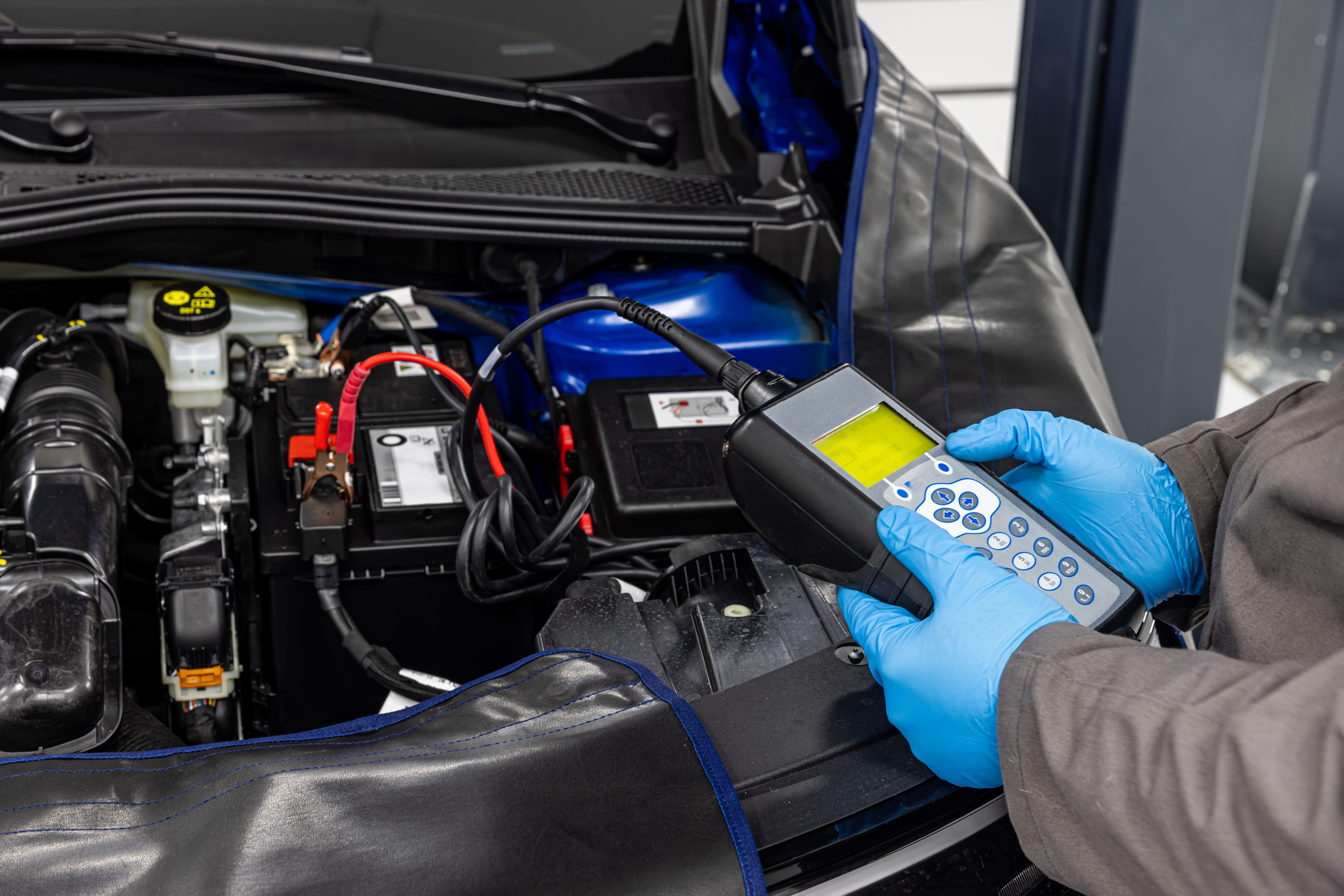
Your vehicle's battery is a crucial component that powers all electrical systems. A weak or failing battery can cause multiple warning lights to turn on. Regularly inspect the battery for signs of corrosion and ensure that the terminals are secure.
If your battery is more than three years old, it may be time to have it tested and possibly replaced. This simple step can prevent unexpected breakdowns and warning light issues.
Check Tire Pressure
Maintaining proper tire pressure is not only crucial for safety but also for preventing dashboard alerts. An under-inflated or over-inflated tire can cause the tire pressure monitoring system (TPMS) light to activate.
Invest in a reliable tire pressure gauge and check your tires regularly. Keeping your tires properly inflated can enhance fuel efficiency and prolong tire life.
Address Engine Concerns Promptly
The engine is the heart of your vehicle, and any issues can quickly lead to warning lights. If you notice strange noises, reduced performance, or other unusual signs, have your vehicle inspected by a professional mechanic as soon as possible.
Addressing engine concerns promptly can prevent more significant issues and keep your vehicle running smoothly.
Utilize Diagnostic Tools
Investing in a quality OBD-II scanner can be beneficial. This tool allows you to read diagnostic trouble codes (DTCs) from your vehicle's computer, providing insight into why a warning light has activated.
Understanding the issue can help you make informed decisions about necessary repairs and avoid unnecessary expenses.
By following these expert tips, you can maintain your vehicle's health and keep dashboard warning lights at bay. Regular checks, timely maintenance, and addressing concerns promptly will ensure a safer and more reliable driving experience.