
Expert Tips for Diagnosing Common Car Issues in Bristol


Dealing with car issues can be both frustrating and time-consuming, especially if you're not sure what's causing the problem. Having some expert tips at hand can help you diagnose common car issues and get back on the road swiftly. In Bristol, where the weather can be unpredictable, knowing how to troubleshoot can be particularly handy.
Start with the Basics
Before diving into complex diagnostics, it's essential to start with the basics. Ensure your car has enough fuel, and check if the battery is charged. A simple visual inspection can sometimes reveal obvious issues like a flat tire or a loose battery connection.
Another fundamental step is to listen for unusual sounds. Clicking, grinding, or knocking noises can indicate specific problems, such as issues with the engine or brakes. Paying attention to these sounds can save you time in identifying the root cause.
Check the Warning Lights
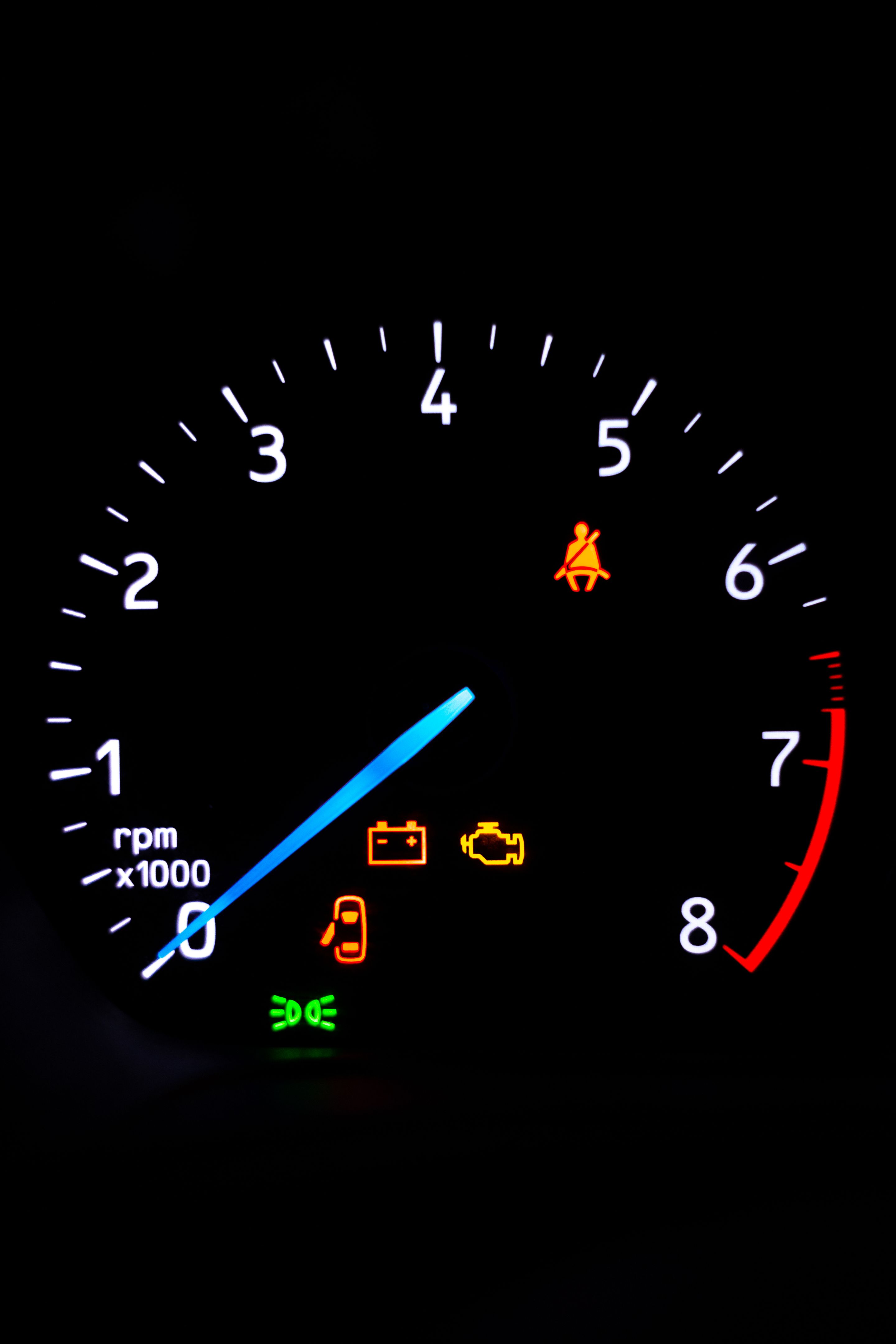
Modern cars come equipped with a variety of warning lights on the dashboard. These lights are your car's way of communicating potential problems. If you see a warning light, refer to your vehicle’s manual to understand its meaning. Common lights include the check engine light, oil pressure light, and brake system warning.
If you're unsure about a warning light, taking your car to a professional in Bristol for a diagnostic scan can reveal specific error codes related to the issue. This approach can help pinpoint the problem more accurately.
Check Engine Light
The check engine light is one of the most common indicators of trouble. This light can signal anything from a loose gas cap to a more serious engine problem. If the light is flashing, it's crucial to have your car checked immediately, as this indicates a severe issue.
Investigate Unusual Smells
Strange smells coming from your car can also indicate underlying issues. For instance, a burning smell might suggest an overheating engine, while a musty odor could point to mold in the air conditioning system. Paying attention to these smells can help you identify problems early.
A sweet smell might indicate a coolant leak, while a rotten egg smell could be due to a problem with the catalytic converter. Each smell has its unique implications, so understanding them can guide you in seeking the right repairs.
Inspect Fluids and Belts
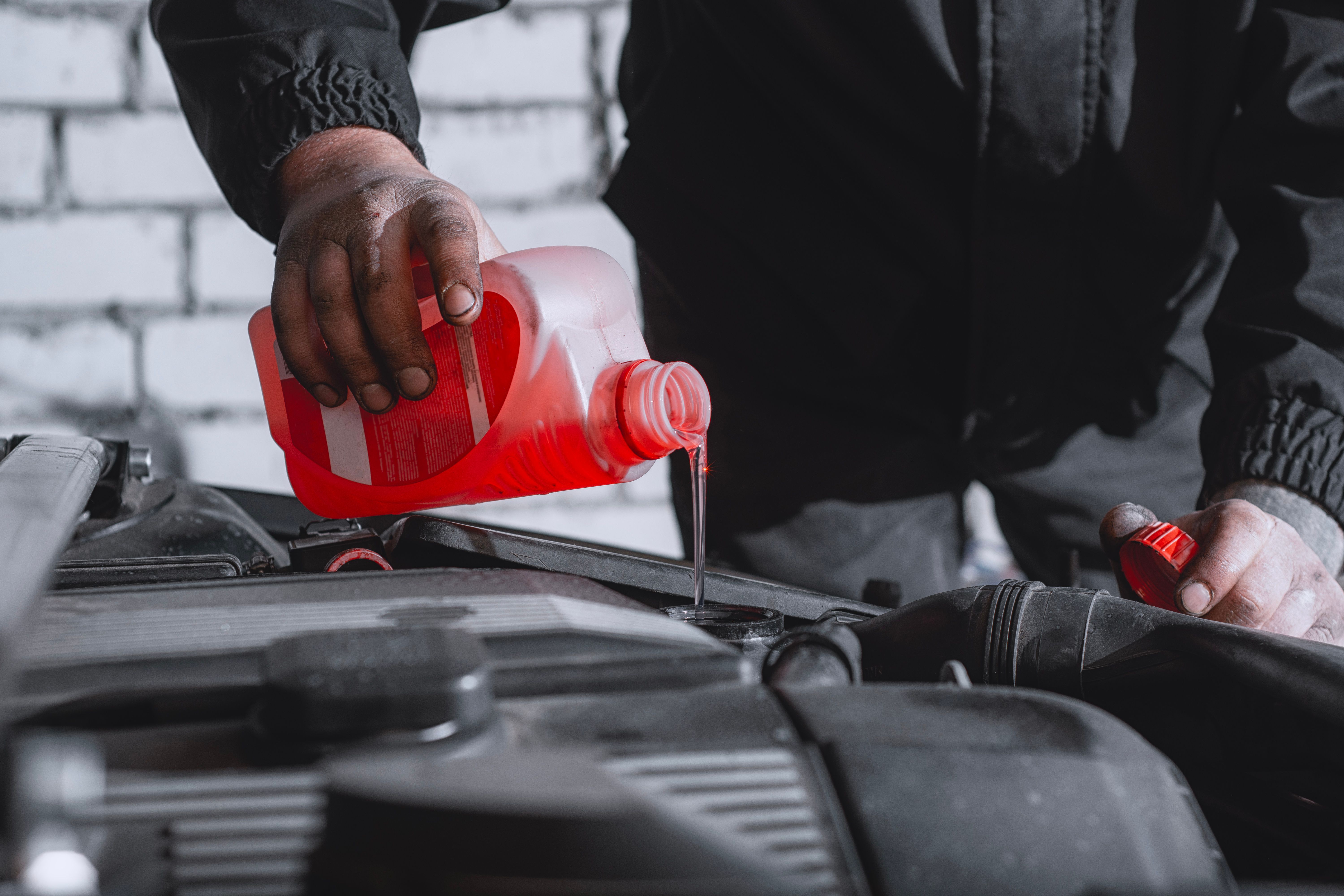
Fluids are vital for your vehicle's operation. Regularly checking the levels of engine oil, brake fluid, and coolant can prevent problems before they become severe. Look for any leaks underneath the car, as they can indicate a crack or loose connection.
Belts are another critical component. Check for wear and tear on the serpentine belt or timing belt. If you notice any signs of wear, it's wise to have them replaced to avoid breakdowns.
When to Seek Professional Help
While these tips can help you diagnose common car issues, some problems require professional expertise. If you're unsure about a diagnosis or if the problem persists after your initial troubleshooting, it's best to consult a professional mechanic in Bristol.
Regular maintenance and inspections can prevent many of these issues from arising. By staying proactive and seeking expert advice when needed, you can ensure your car remains in optimal condition.