
Expert Tips for Diagnosing Common Dashboard Indicator Issues


Dashboard indicators are essential components of any vehicle, providing crucial information about the car's health and performance. When these indicators light up, it often signals an underlying issue that needs attention. Diagnosing these problems can be straightforward if you know what to look for.
Understanding the Basics of Dashboard Indicators
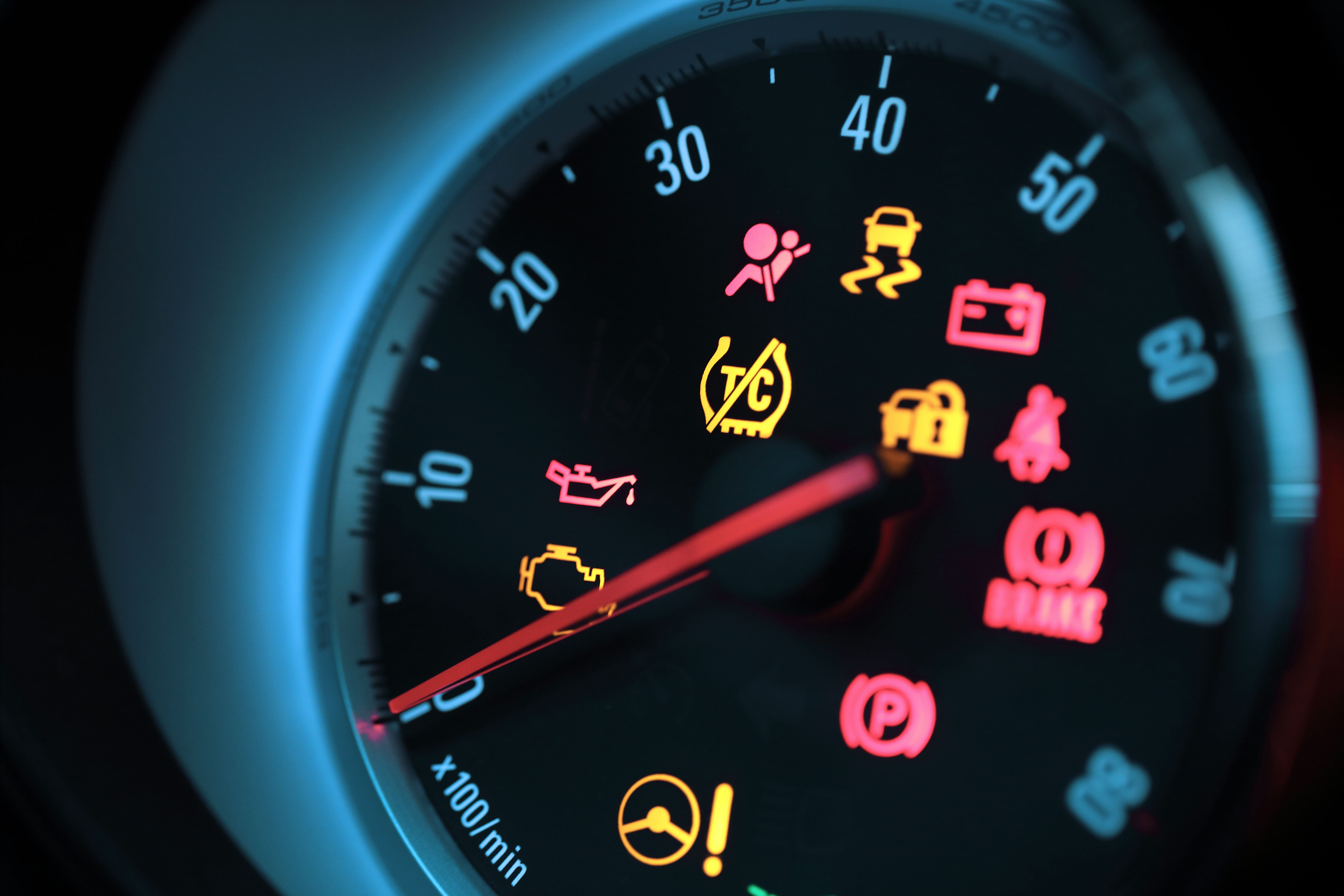
Dashboard indicators are designed to alert drivers to potential problems within the vehicle. Common symbols include the check engine light, oil pressure warning, and battery alert. Each light has a unique meaning, and understanding them is the first step in diagnosing issues.
Common Dashboard Lights and Their Meanings
Some of the most frequent dashboard lights include:
- Check Engine Light: This could indicate anything from a loose gas cap to a major engine problem.
- Oil Pressure Light: This warns of low oil pressure, which can lead to engine damage if not addressed.
- Battery Alert: This signals an issue with the car's charging system, often related to the battery or alternator.
Steps to Diagnose Dashboard Indicator Issues
Diagnosing dashboard issues involves a systematic approach. Here are some expert-recommended steps:
- Check the Owner's Manual: This is your first resource for understanding what each light means.
- Perform a Visual Inspection: Look for obvious issues like a loose gas cap or low fluid levels.
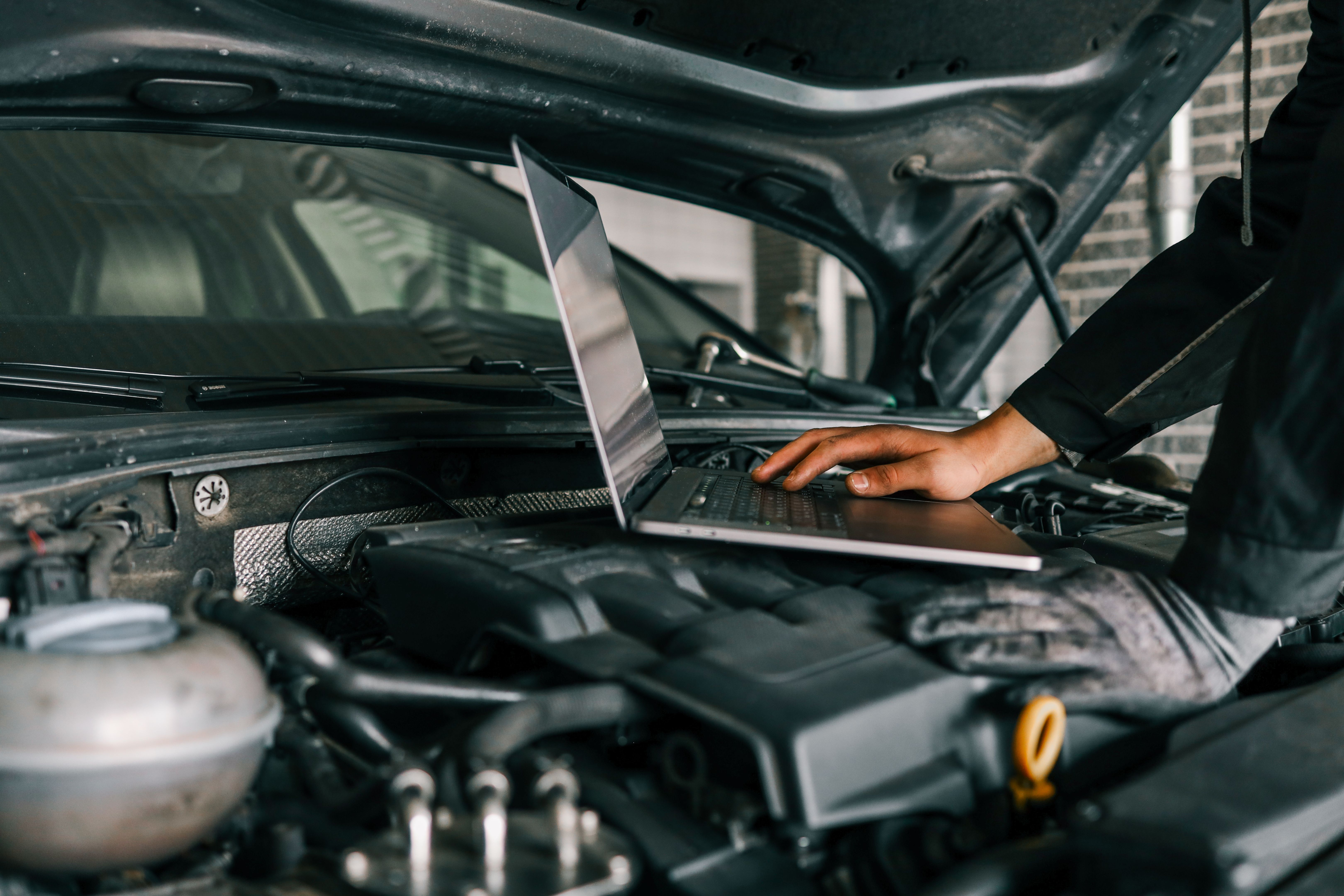
- Use an OBD-II Scanner: This tool can read error codes and provide more detailed information about the problem.
When to Seek Professional Help
While some dashboard issues can be resolved with basic troubleshooting, others require professional expertise. Here are signs it's time to visit a mechanic:
- The check engine light is flashing.
- Multiple dashboard lights are on simultaneously.
- The vehicle is making unusual noises or handling poorly.
Preventive Measures to Avoid Dashboard Issues
Regular maintenance is crucial to prevent dashboard indicator problems. Here are some tips:
- Regular Oil Changes: Keep your engine well-lubricated to avoid oil pressure issues.
- Battery Maintenance: Ensure the battery terminals are clean and the battery is in good condition.
- Routine Check-Ups: Schedule regular inspections with a trusted mechanic to catch potential issues early.
By understanding dashboard indicators and taking proactive steps, you can ensure your vehicle remains in optimal condition. Regular maintenance not only helps prevent these issues but also extends the life of your car, providing peace of mind on the road.