
How to Diagnose Your Car Issues: A Bristol Expert's Tips


Understanding the Basics of Car Diagnostics
Diagnosing car issues can seem daunting, but understanding the basics can save you time and money. With a few simple tips, you can identify common problems and decide whether you need professional assistance. Let's explore some expert advice from the heart of Bristol.
Listen to Your Car
Your car often communicates its problems through unusual sounds. If you hear a knocking noise from the engine, it might indicate a problem with the pistons. A squealing sound when braking could mean worn brake pads. Pay attention to these sounds and note when they occur.
Engine Warning Lights
Modern cars come equipped with a series of warning lights on the dashboard. If the check engine light comes on, it's essential to investigate immediately. While some issues may be minor, others could be critical to your car's performance.

Inspecting Under the Hood
Regularly checking under the hood can help you spot potential problems. Look for signs of fluid leaks, such as oil or coolant, which can indicate issues with gaskets or hoses. Also, check the condition of the belts and hoses for any visible wear and tear.
Tire and Brake Inspection
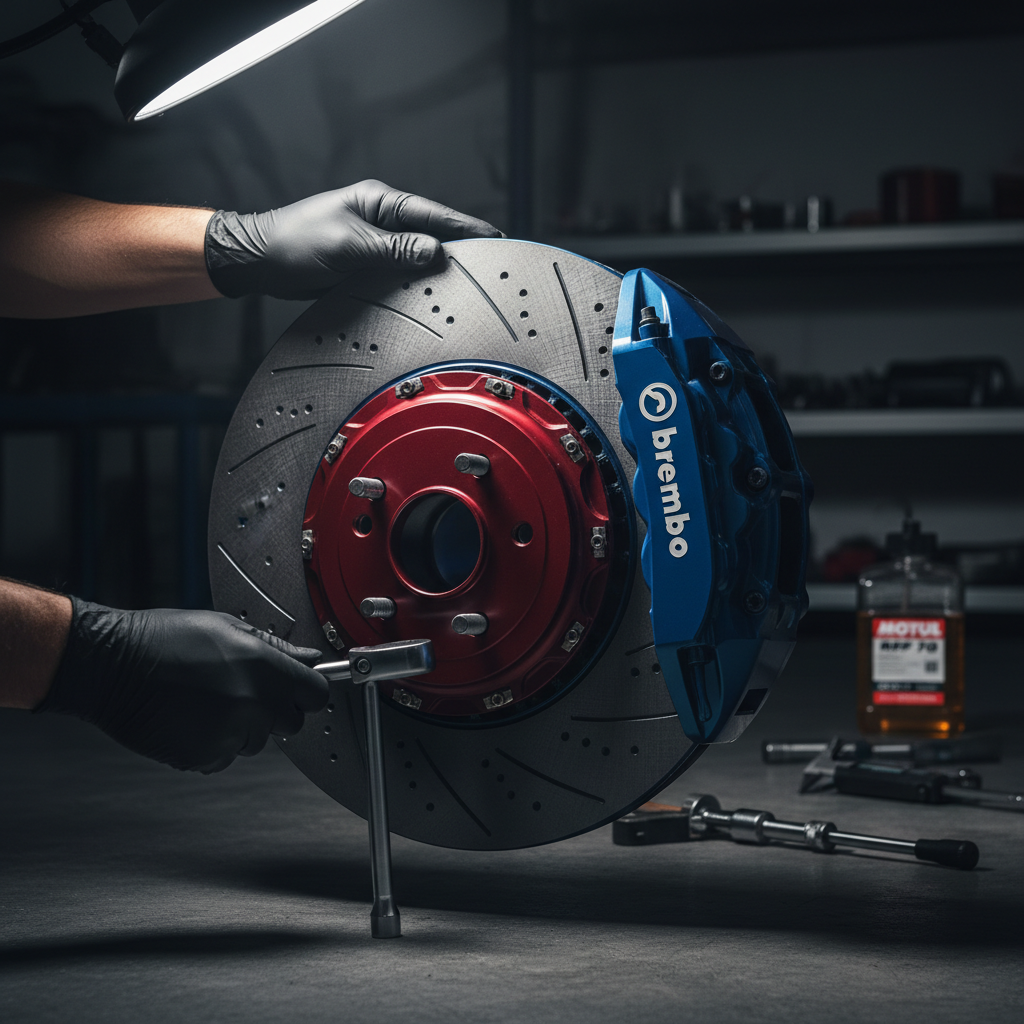
Tires and brakes are crucial for your safety. Ensure your tires are properly inflated and have adequate tread depth. If you notice uneven tire wear, it might be a sign of misalignment. Additionally, inspect your brakes for any grinding sounds or decreased responsiveness.
Using Diagnostic Tools
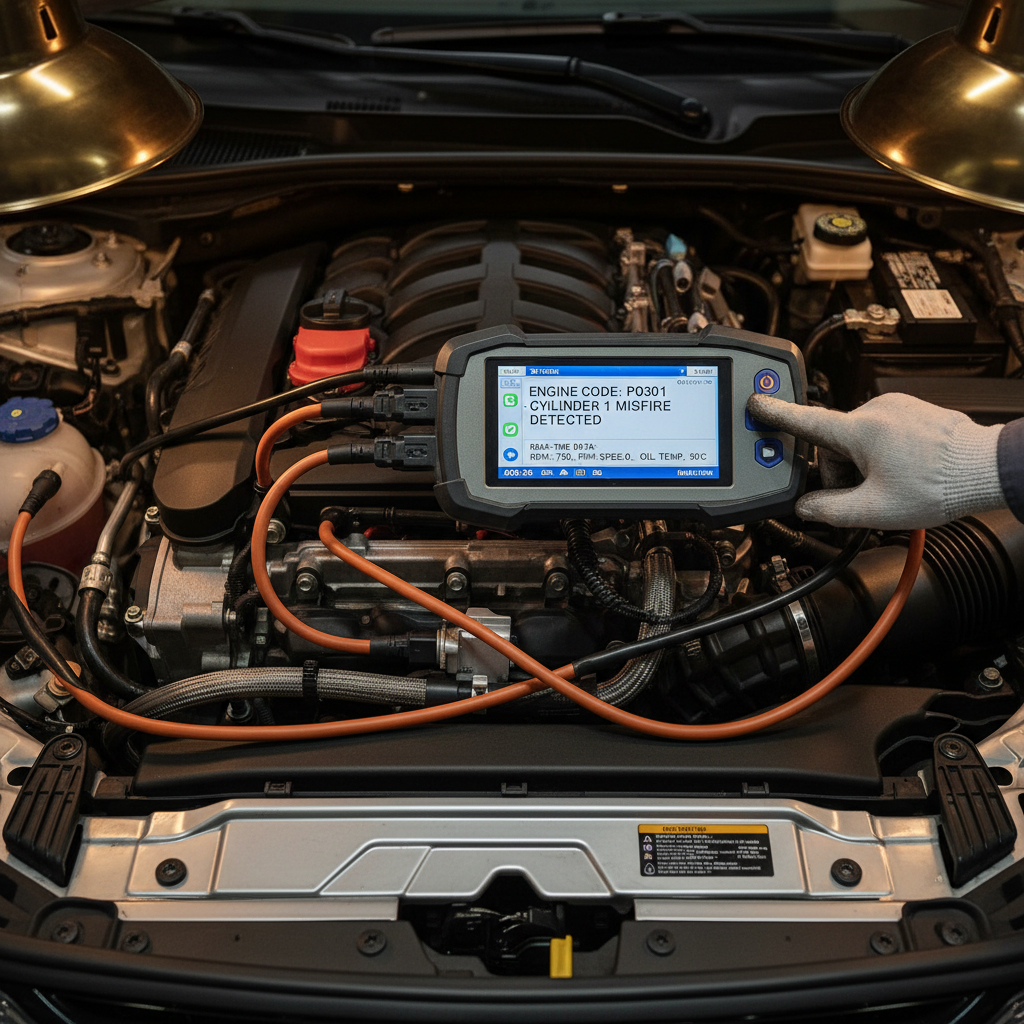
Investing in an OBD-II scanner can be a wise decision. This device connects to your car's onboard computer and retrieves error codes, helping you pinpoint specific issues. It's a handy tool for anyone who wants to take a proactive approach to car maintenance.
When to Call a Professional
While diagnosing some issues can be straightforward, others may require a professional's expertise. If you're unsure or uncomfortable with any findings, it's always best to consult a mechanic. They have the experience and tools needed to handle complex problems.
Regular Maintenance is Key
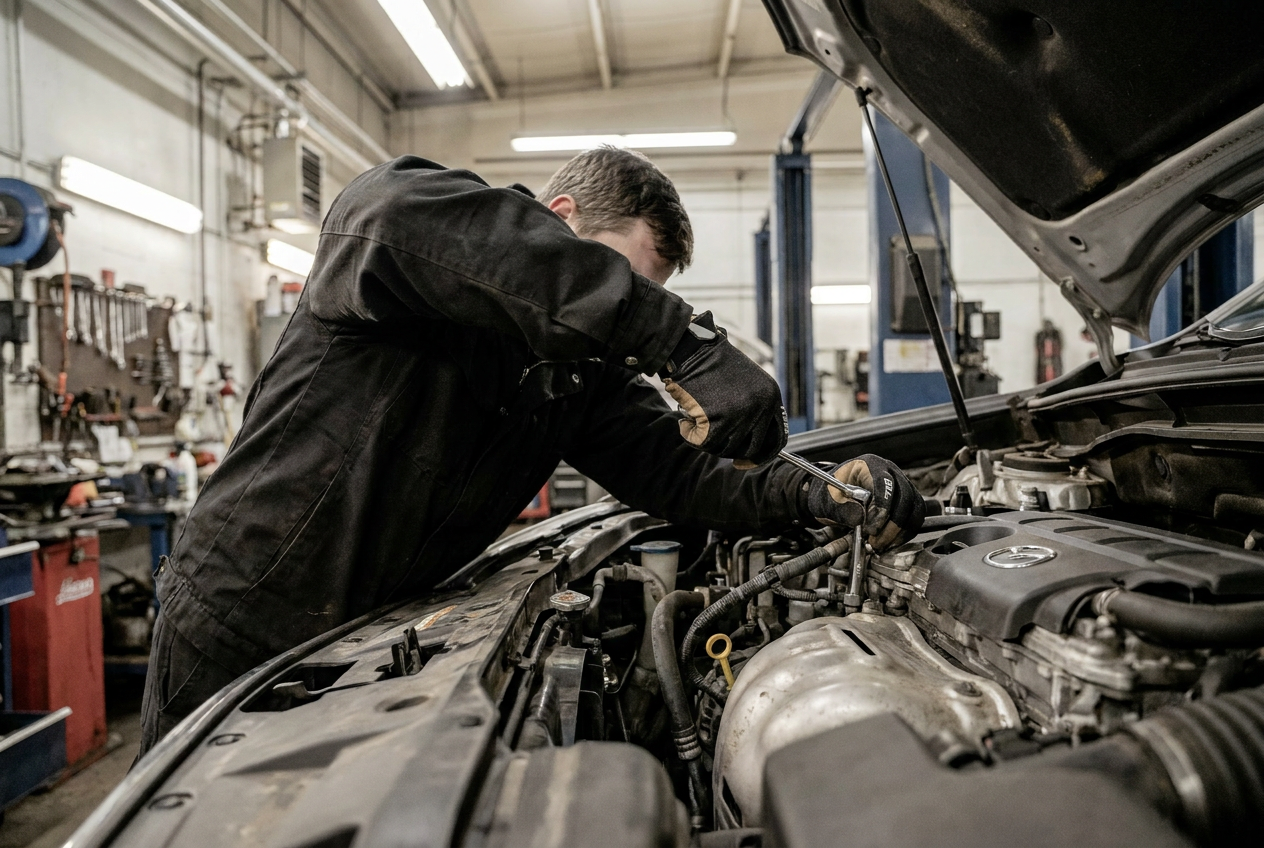
Finally, regular maintenance is crucial in preventing many car issues. Following your car’s maintenance schedule for oil changes, filter replacements, and other routine services can extend the lifespan of your vehicle and ensure it runs smoothly.
By following these expert tips, you can gain confidence in diagnosing and addressing car problems. Not only will this knowledge help you in maintaining your vehicle, but it can also lead to a safer and more reliable driving experience.