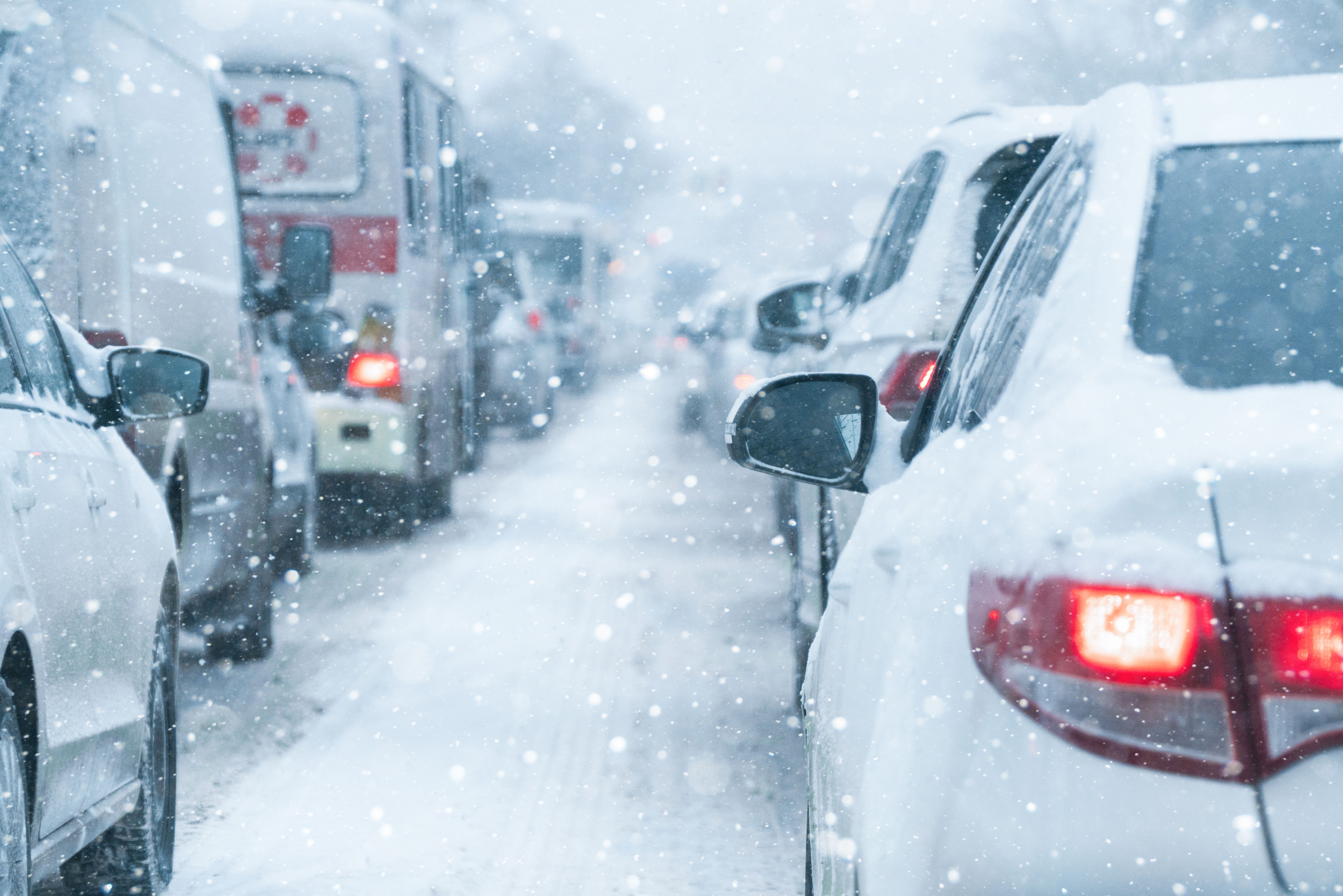
How to Prepare Your Car for Winter: Essential Tips for South Gloucestershire Drivers


Check Your Tires
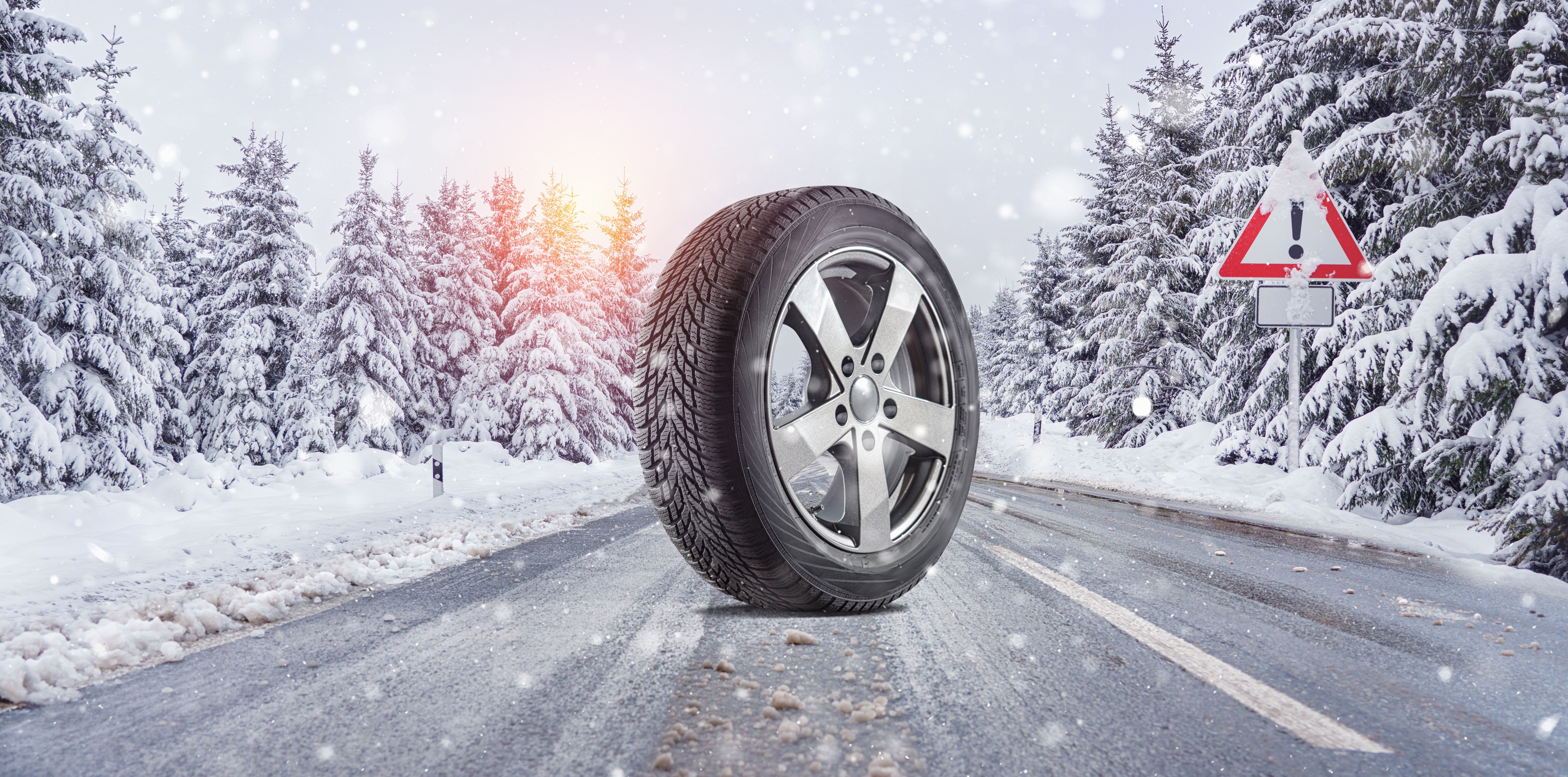
As temperatures drop, it's crucial to ensure your tires are ready to handle wet and icy conditions. Start by checking the tread depth. A simple way to test this is by inserting a 20p coin into the tread. If the outer band of the coin is visible, it's time to replace your tires. Additionally, consider switching to winter tires for better grip.
Monitor Tire Pressure
Cold weather can cause tire pressure to drop, reducing traction and increasing wear. Check your tire pressure regularly, especially after temperature fluctuations. You can find the recommended pressure levels in your vehicle’s manual or on the driver's side door placard.
Inspect Your Battery
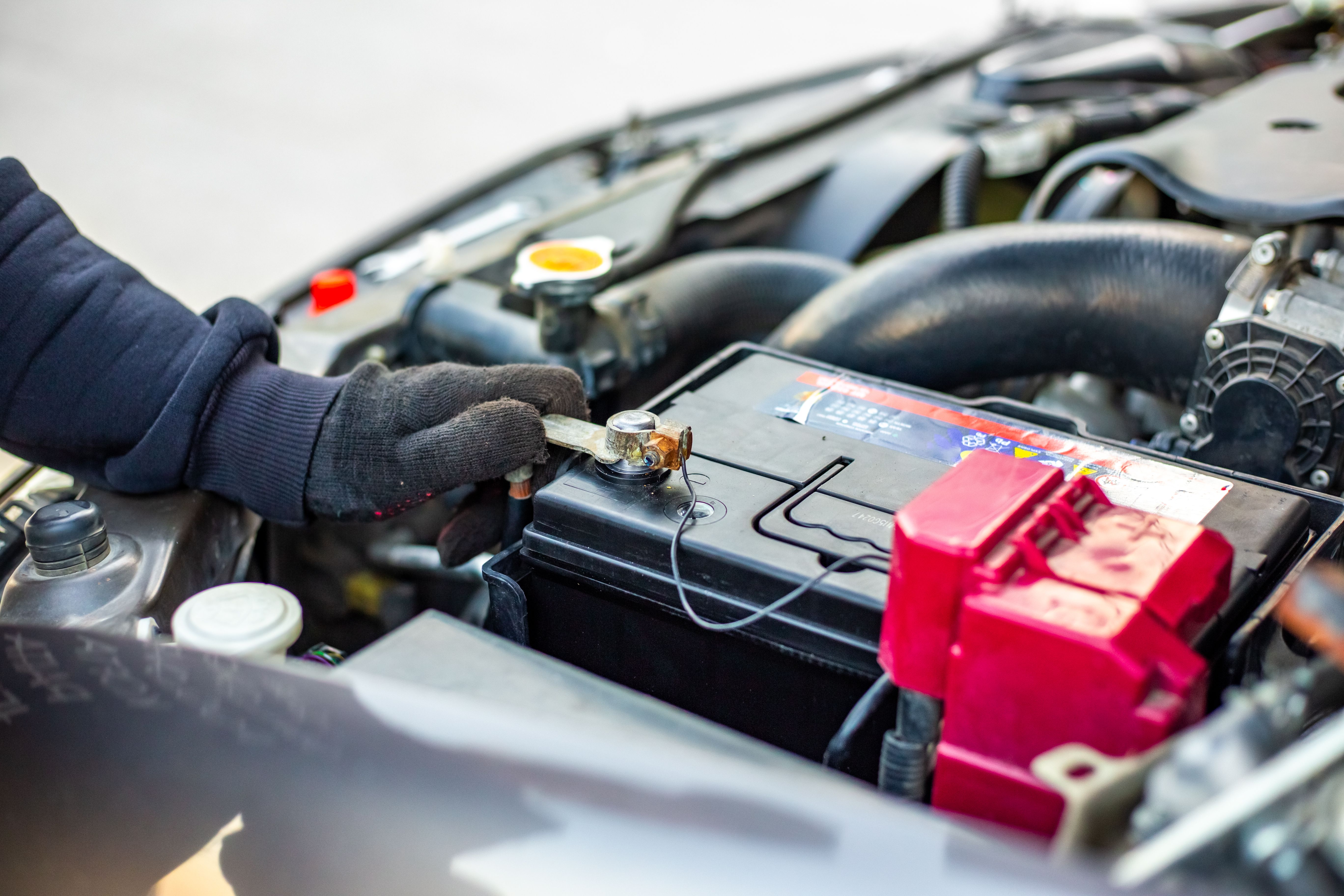
Winter can be harsh on car batteries. Ensure your battery is in good condition by checking for corrosion on the terminals and ensuring it holds a charge. If your battery is more than three years old, consider having it tested by a professional to avoid unexpected breakdowns.
Keep a Battery Charger Handy
Investing in a portable battery charger can be a lifesaver during the colder months. It’s a convenient tool to have in case your battery dies unexpectedly.
Top Up Fluids
Proper fluid levels are essential for your car's performance in winter. Ensure your antifreeze is topped up to prevent the engine from freezing. Additionally, keep your windshield washer fluid full with a formula designed for low temperatures to maintain visibility.
Check Oil Viscosity
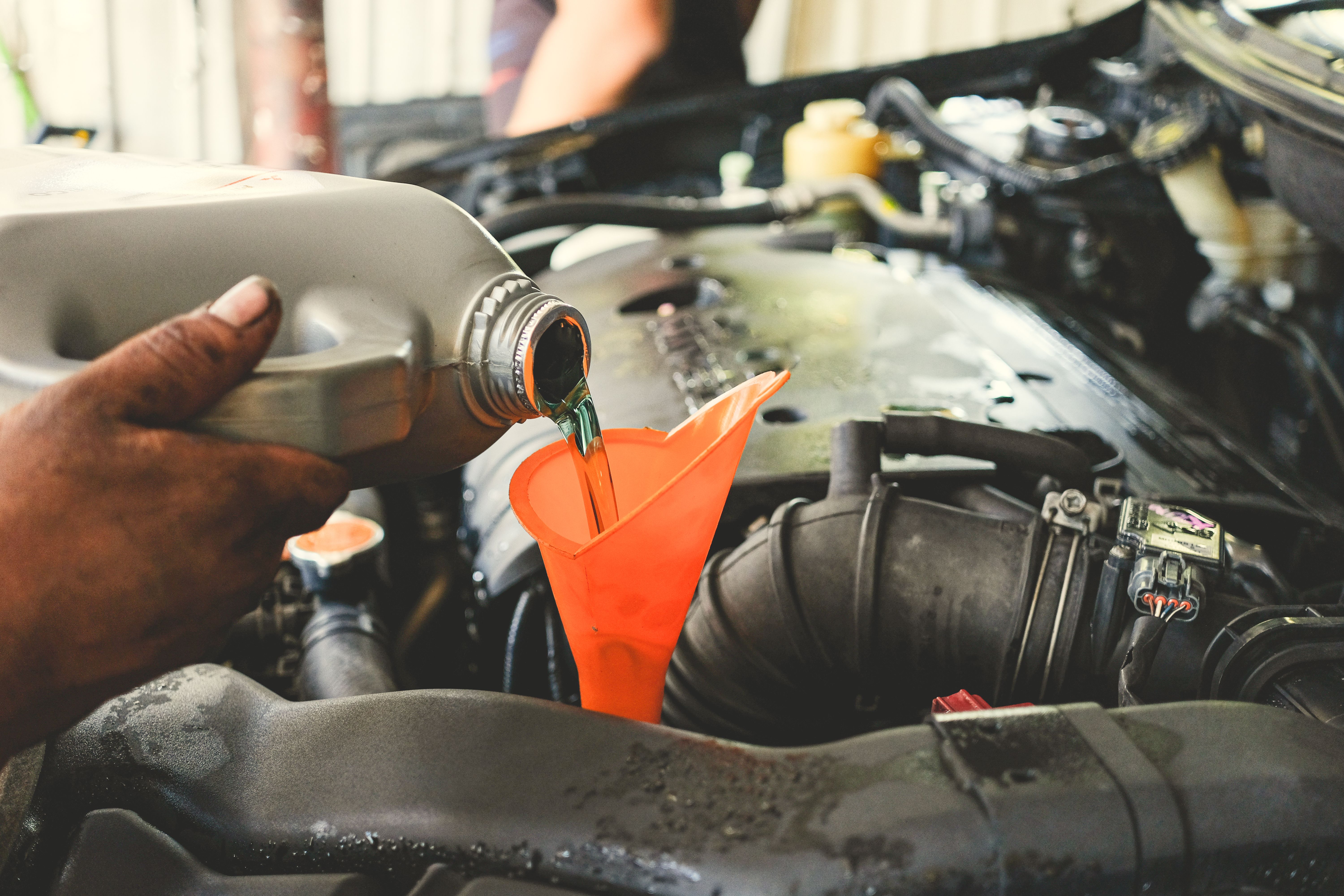
Consider switching to a thinner oil during winter as it flows more easily in cold temperatures, ensuring your engine runs smoothly. Consult your vehicle's manual or ask a professional for the best oil type.
Test Your Lights
With shorter daylight hours, functioning lights are essential for safe driving. Check all exterior lights, including headlights, tail lights, and indicators. Replace any burnt-out bulbs and clean the lenses for maximum visibility.

Maintain Your Wipers
Clear visibility is crucial during winter. Inspect your wiper blades for any signs of wear and replace them if necessary. Consider using winter wiper blades designed to handle snow and ice effectively.
Prepare an Emergency Kit
It's wise to have an emergency kit in your car during the winter months. Include items such as a blanket, flashlight, first-aid kit, and non-perishable snacks. Also, consider adding a shovel and ice scraper to tackle snow and ice.
Stay Informed
Keep an eye on weather forecasts and road conditions to plan your journeys safely. In case of severe weather, consider postponing non-essential trips to ensure your safety and that of other road users.