
Preventative Maintenance Tips to Avoid Dashboard Warning Lights


Understanding Dashboard Warning Lights
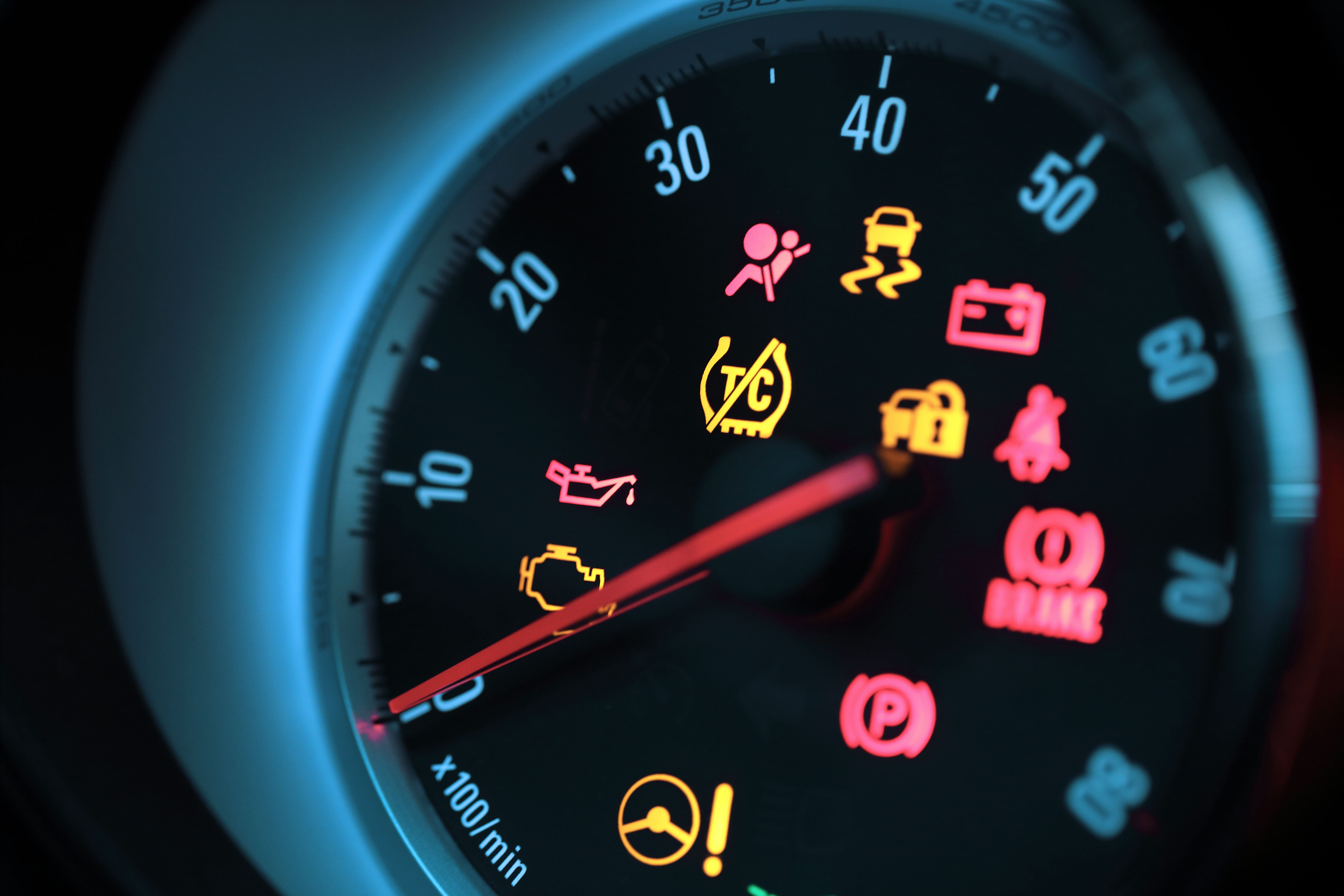
Your vehicle's dashboard warning lights are crucial indicators of your car's health. Ignoring them can lead to costly repairs and safety hazards. By implementing a few preventative maintenance tips, you can avoid the stress and expense associated with unexpected warning lights.
Being proactive about vehicle maintenance is key. Regular checks and timely interventions can ensure your car runs smoothly. Here’s how you can keep those warning lights at bay.
Regular Fluid Checks
Engine Oil
Engine oil is vital for keeping your car's engine running smoothly. Regularly check your oil levels and change it every 3,000 to 5,000 miles. Low or dirty oil can trigger warning lights and cause engine damage.
Coolant Levels
Coolant prevents your engine from overheating. Make sure your coolant levels are adequate, especially before long trips. A coolant warning light might indicate a leak or other serious issue.

Battery Health
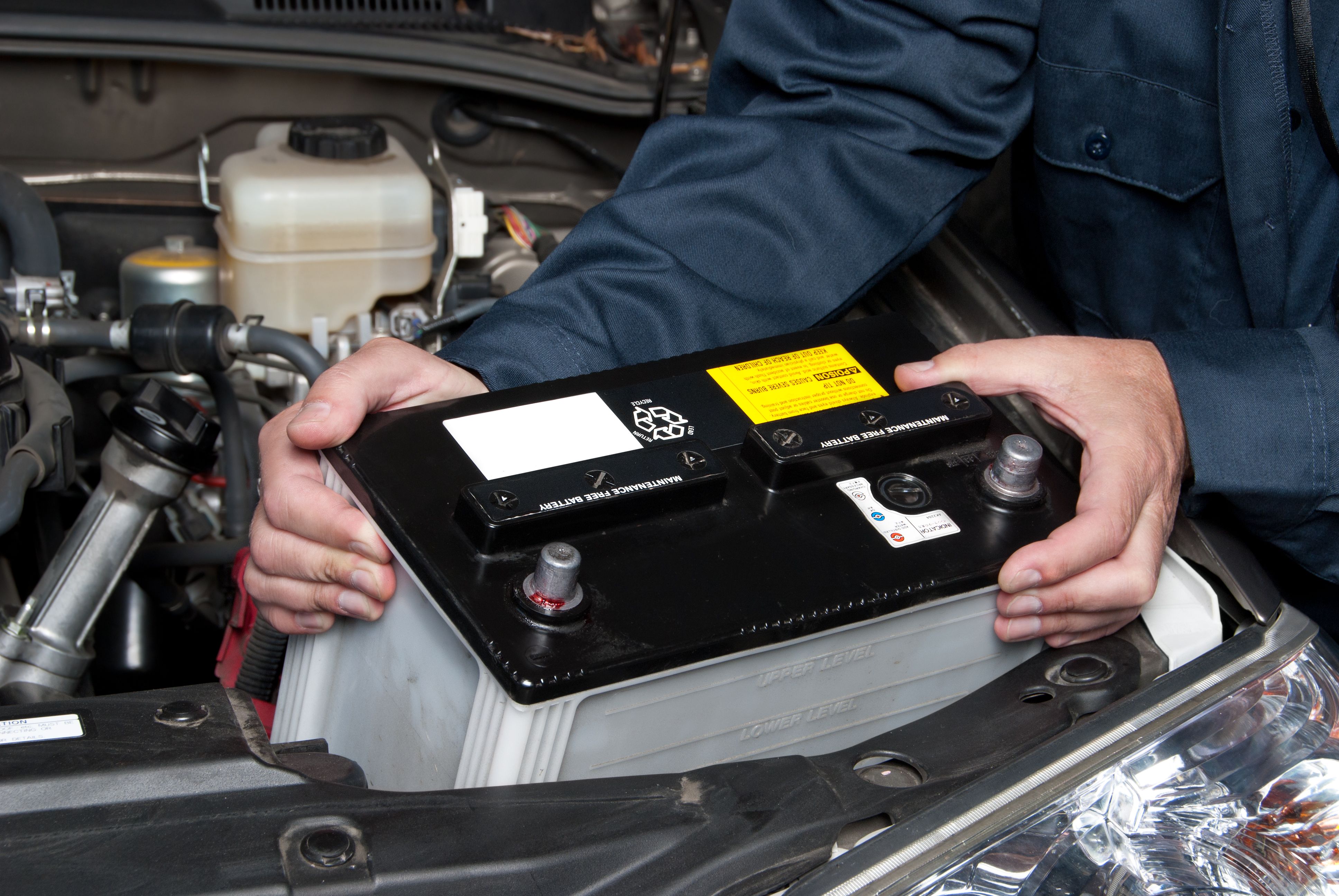
Your car’s battery is the heart of its electrical system. Corroded or loose connections can trigger the battery warning light. Regularly inspect the battery terminals for corrosion and ensure they are tightly connected.
Consider replacing your battery every 3 to 5 years or as soon as you notice signs of weakening, such as dim headlights or slow cranking.
Tire Maintenance
Proper Inflation
Under-inflated tires can cause the tire pressure warning light to illuminate. Check your tire pressure monthly and before long trips. Properly inflated tires improve fuel efficiency and handling.
Tread Wear
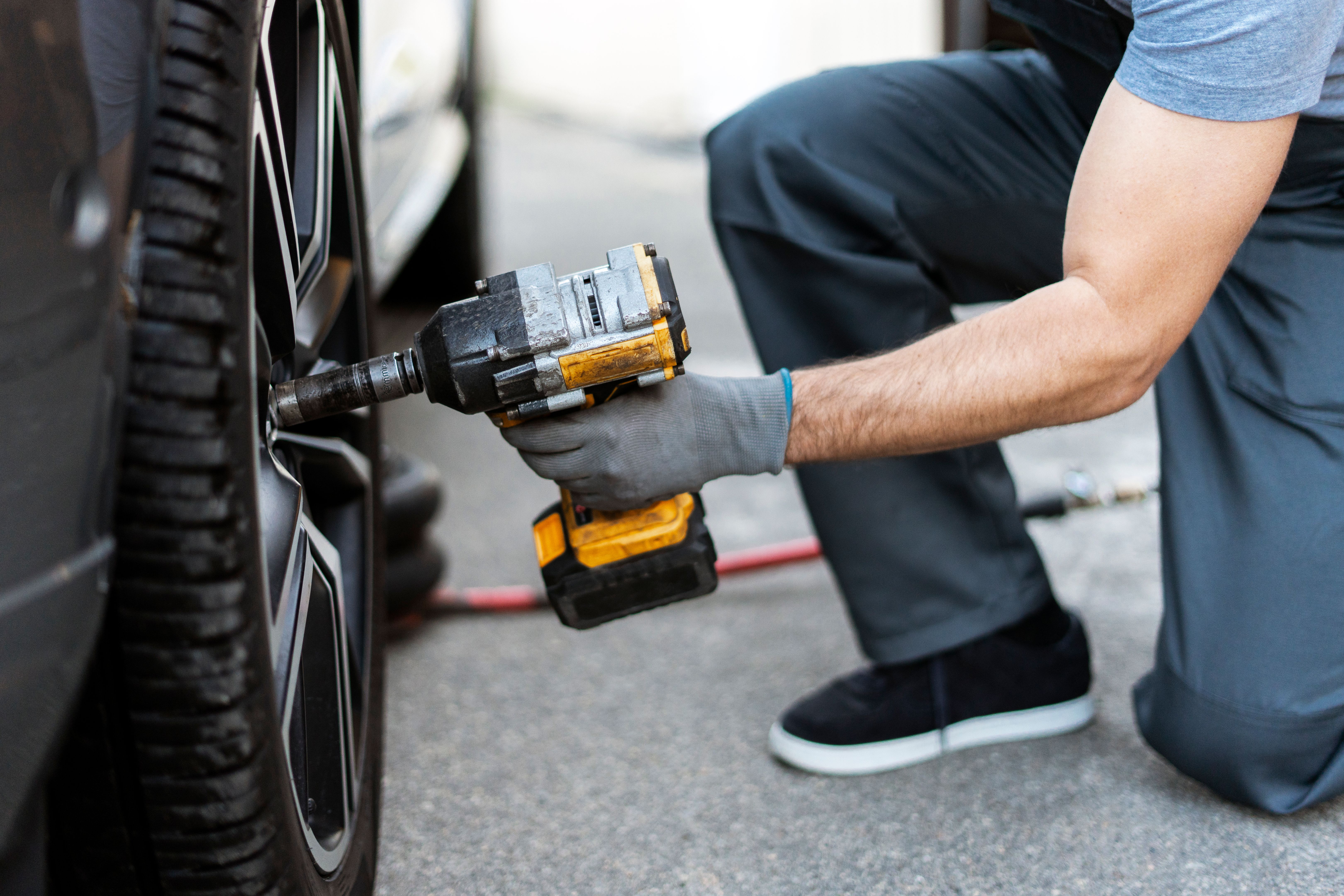
Worn-out tires can compromise your vehicle’s safety. Inspect tread depth regularly and replace tires that are too worn. This can prevent unexpected blowouts and maintain your car's performance.
Brake System Checks
The brake system warning light signals potential issues with your braking system. Regularly inspect brake pads and fluid levels. Replacing worn brake pads and ensuring proper fluid levels can prevent brake failure.
If the warning light persists, consult a professional mechanic to avoid compromising your safety.
Routine Professional Inspections
While DIY checks are effective, periodic professional inspections are essential. Mechanics have the tools and expertise to diagnose and resolve issues that might not be visible to the untrained eye.
Schedule a comprehensive inspection annually to catch potential problems early, ensuring your vehicle remains in top condition and free from unexpected warning lights.