
The Most Common Car Warning Lights and What They Mean


Understanding Car Warning Lights
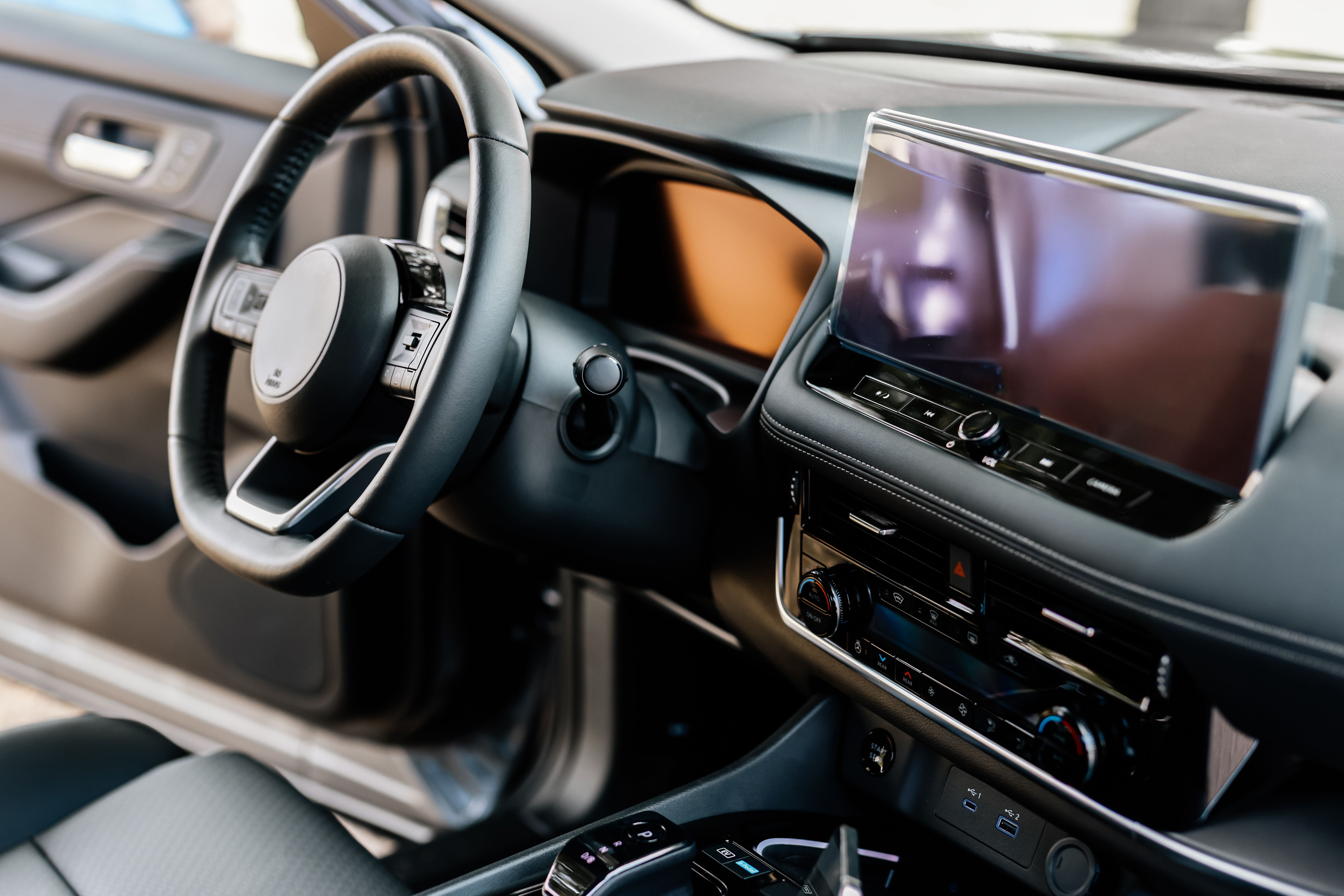
Modern vehicles are equipped with a variety of warning lights on the dashboard. These lights are designed to alert drivers to potential issues or maintenance needs. Understanding what these lights mean can help prevent minor problems from becoming major repairs.
Check Engine Light
The check engine light is one of the most recognizable warning symbols. It signifies that there is an issue with the vehicle's engine or emissions system. While it can sometimes indicate a minor issue like a loose gas cap, it could also be a sign of something more serious. It's crucial to have it checked by a professional as soon as possible.
Oil Pressure Warning
The oil pressure warning light looks like an old-fashioned oil can. If this light turns on, it means that the oil pressure in your engine is too low. Driving with low oil pressure can cause severe engine damage, so it's important to address this issue immediately. Check the oil level and add oil if necessary, but consult a mechanic if the light remains on.

Battery Alert
The battery alert light indicates a problem with the vehicle's charging system. This could mean your battery is running low, or there might be an issue with the alternator or electrical system. Without a functioning battery, your car won't start, so it's wise to inspect the battery connections and seek professional help if needed.
Brake System Warning
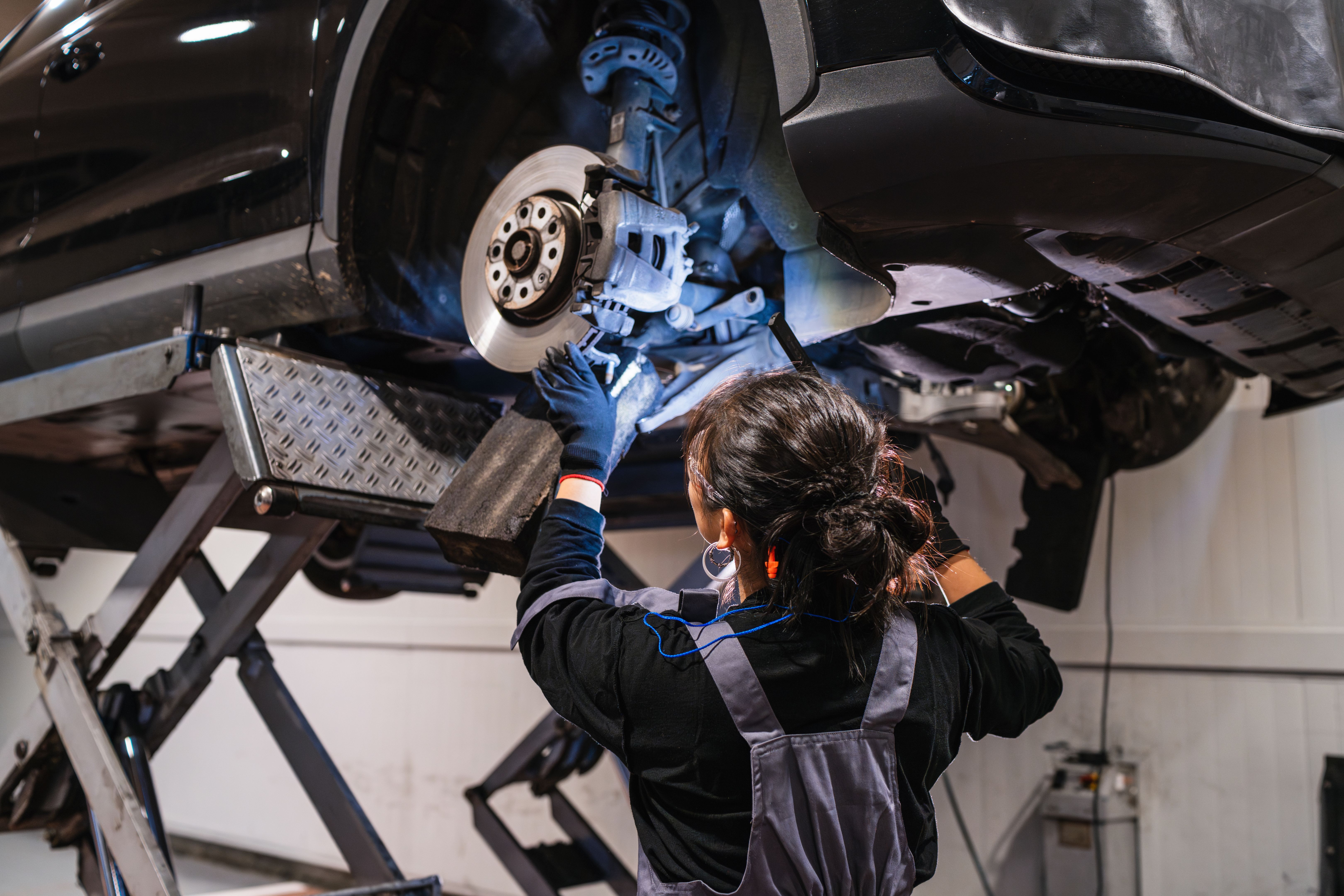
When the brake system warning light appears, it could indicate several issues. It might be that the parking brake is engaged, or there could be a problem with the brake fluid level or the braking system itself. Since brakes are vital for safety, this light should never be ignored.
Tire Pressure Monitoring System (TPMS)
The TPMS light alerts you when one or more of your tires are significantly under-inflated. Proper tire pressure is essential for safe handling and fuel efficiency. If this light is on, check your tire pressures and inflate them to the recommended levels.
Coolant Temperature Warning
This light, often resembling a thermometer, signals that your engine is overheating. Continuing to drive with an overheating engine can cause serious damage. If this warning light activates, it's important to stop the vehicle safely and let the engine cool down before checking the coolant level.
Conclusion
Understanding the meaning behind these common car warning lights can save you time, money, and stress. Regular maintenance and prompt attention to warning lights will keep your vehicle running smoothly and safely. Always consult your vehicle's manual or a professional mechanic if you're unsure about any warning lights you encounter.