
The Most Common Dashboard Warning Lights and What They Mean


Understanding Dashboard Warning Lights
Your vehicle's dashboard is a sophisticated system that communicates important information through various warning lights. These lights are designed to alert you to potential issues, ensuring safety and optimal vehicle performance. Knowing what each symbol means can help you take appropriate action when necessary.
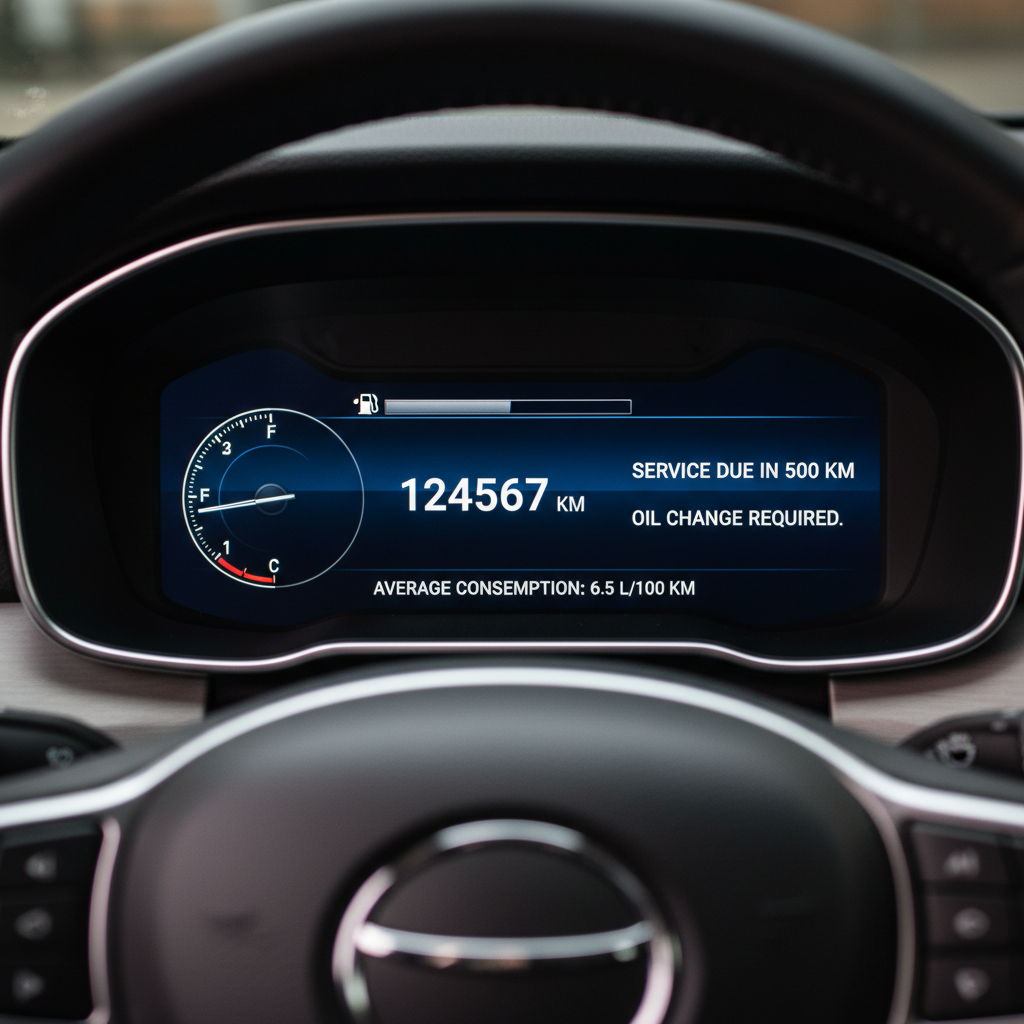
Check Engine Light
The check engine light is one of the most common and crucial warning signals. It indicates that something in the engine needs attention. This could range from a loose gas cap to more serious issues like a malfunctioning catalytic converter. It's best to get the vehicle checked by a professional as soon as this light appears.
Oil Pressure Warning
The oil pressure warning light looks like an oil can and signals low oil pressure. This can be caused by low oil levels or a failing oil pump. Continuing to drive with this light on can result in severe engine damage, so it's vital to address this issue immediately.
Battery Alert
The battery alert light signifies a problem with the vehicle’s charging system. It could be due to a failing alternator, battery, or poor connection. If this light appears, your vehicle may soon lose power, so it's important to check your electrical system promptly.
Brake System Warning
The brake system warning light is critical for your safety. It could indicate low brake fluid levels, worn brake pads, or a malfunction in the braking system. If this light is illuminated, inspect your brakes immediately to ensure safe driving conditions.
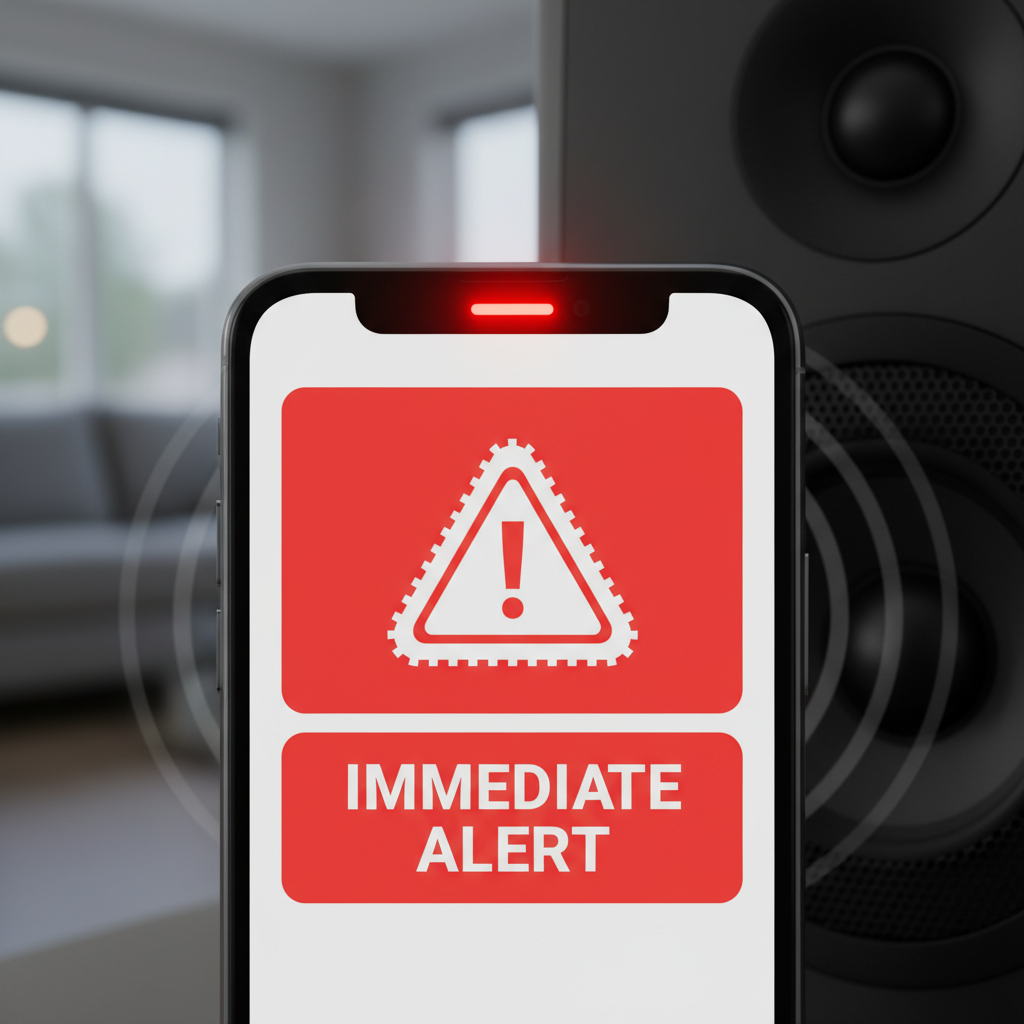
Temperature Warning
The temperature warning light indicates that your engine is overheating. Common causes include low coolant levels, a faulty thermostat, or a malfunctioning water pump. Overheating can cause severe engine damage, so stop driving and allow the engine to cool before seeking professional help.
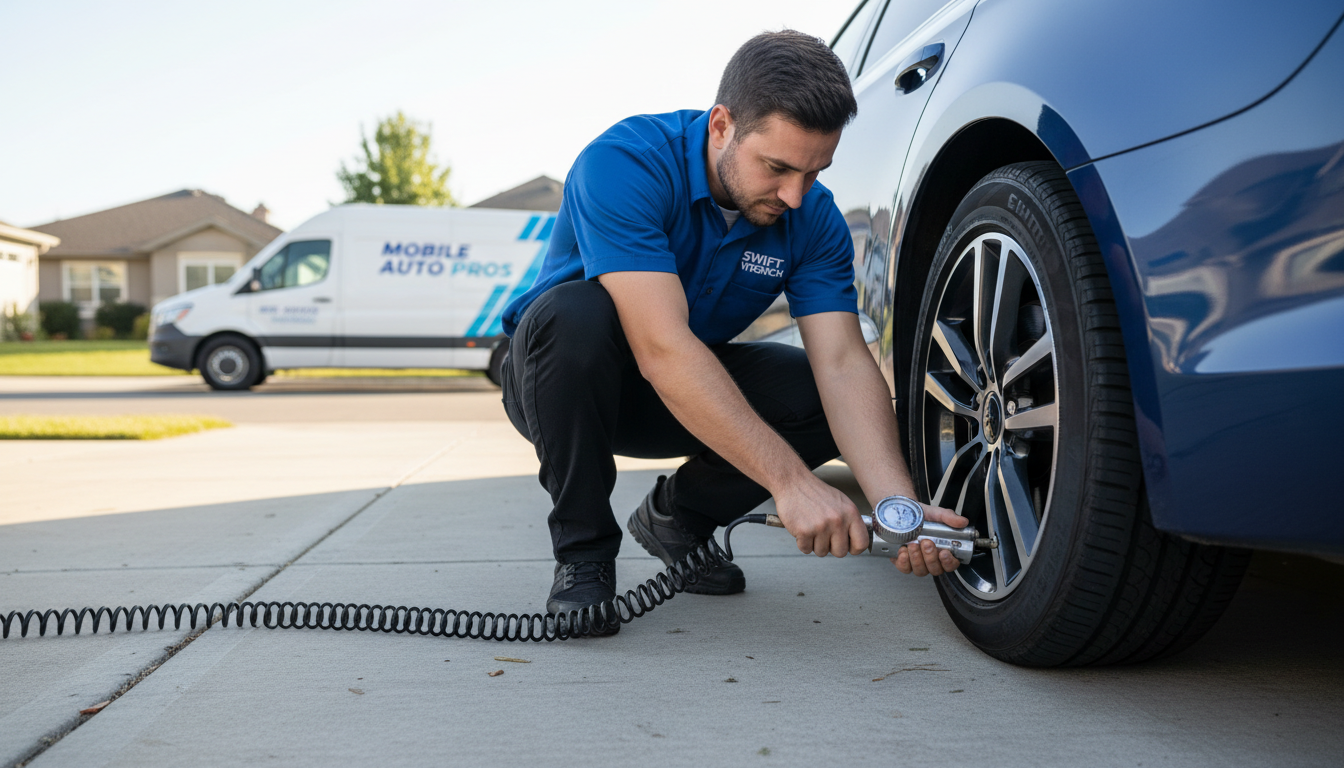
Tire Pressure Monitor
The tire pressure monitoring system (TPMS) light alerts you to an issue with your vehicle's tire pressure. Proper tire pressure is crucial for safe handling and fuel efficiency. Check your tires and adjust the pressure as needed when this light appears.
ABS Warning
The ABS (Anti-lock Braking System) warning light indicates a problem with the anti-lock braking system. While your regular brakes will work, the ABS may not function properly, potentially impacting your ability to stop quickly in an emergency.
Traction Control Light
The traction control warning light alerts you when your vehicle's traction control system is active. If it stays on, there could be an issue with the system that's affecting its ability to manage wheel slip effectively.
In conclusion, understanding and responding to dashboard warning lights is essential for maintaining your vehicle's performance and safety. Addressing these warnings promptly can prevent costly repairs and ensure peace of mind on the road.