
Top 5 Common Dashboard Warning Lights and What They Mean


Understanding Your Dashboard
Modern vehicles are equipped with sophisticated dashboard systems designed to keep drivers informed about their car's performance and any potential issues. These warning lights can be a bit daunting, especially if you're unsure what they mean. Understanding these signals can help prevent roadside emergencies and costly repairs.
In this post, we'll explore the top five common dashboard warning lights and what they mean. Knowing these could save you time, money, and stress.
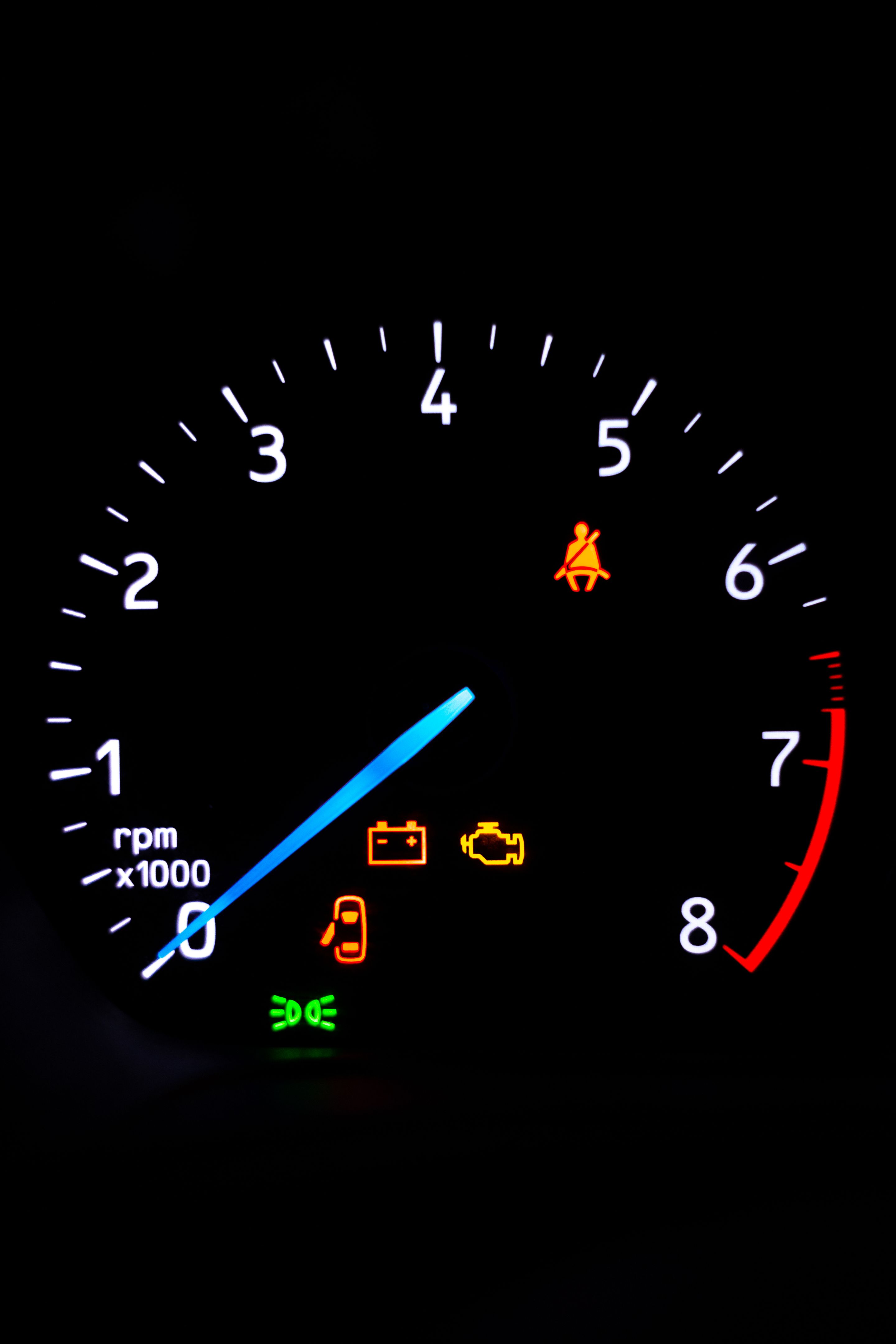
Check Engine Light
The Check Engine Light is one of the most common and misunderstood warning signals. This light can indicate a variety of issues ranging from a loose gas cap to a serious engine malfunction. If this light is steady, it’s wise to consult a mechanic soon. If it’s flashing, seek immediate attention as this indicates a severe issue.
Oil Pressure Warning
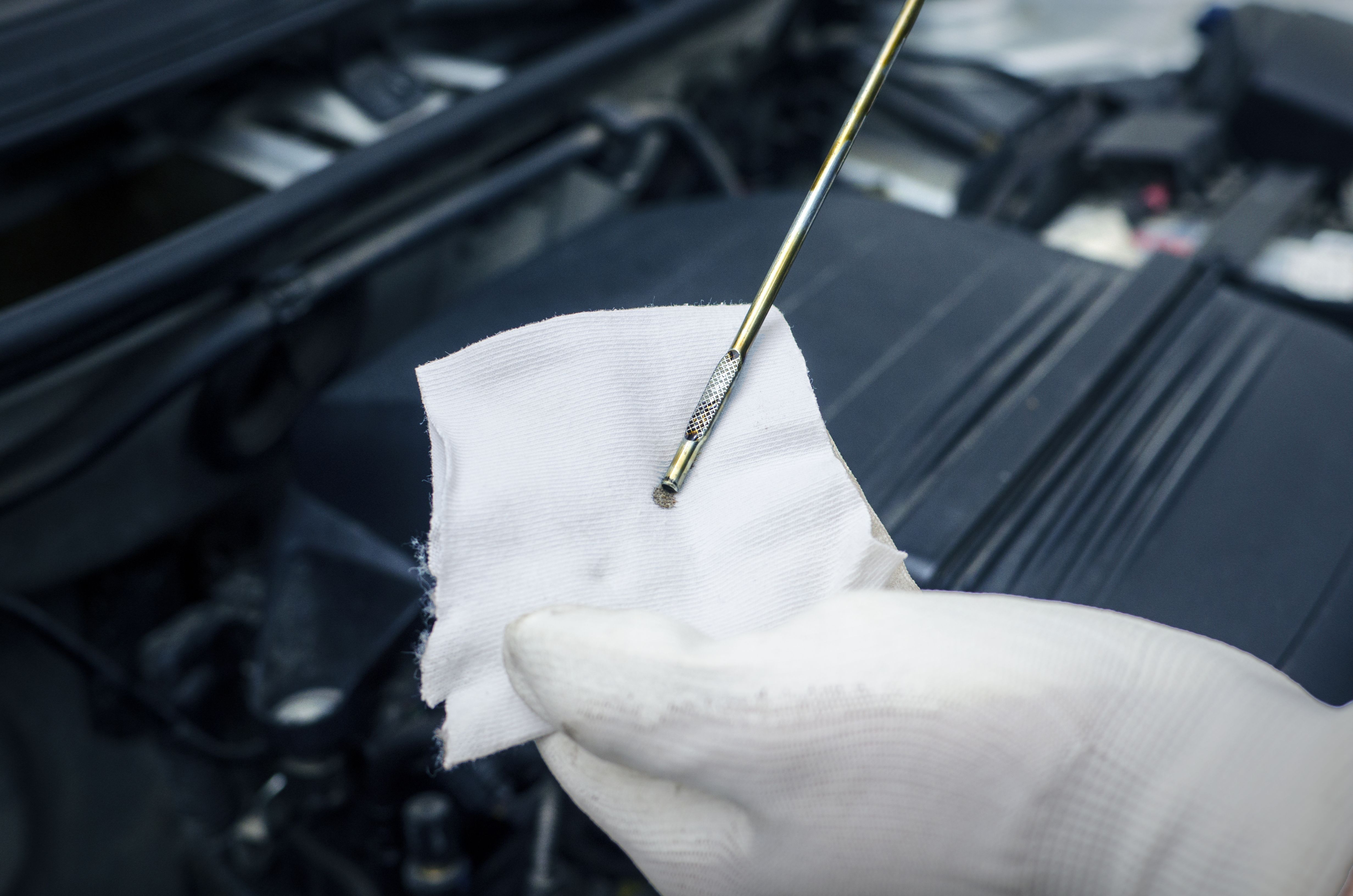
The Oil Pressure Warning light appears when there’s a drop in oil pressure, which could lead to engine damage. This could be due to low oil levels, a faulty oil pump, or a leaking oil filter. Check your oil level immediately and top it up if necessary. If the light persists, consult a professional.
Battery Alert
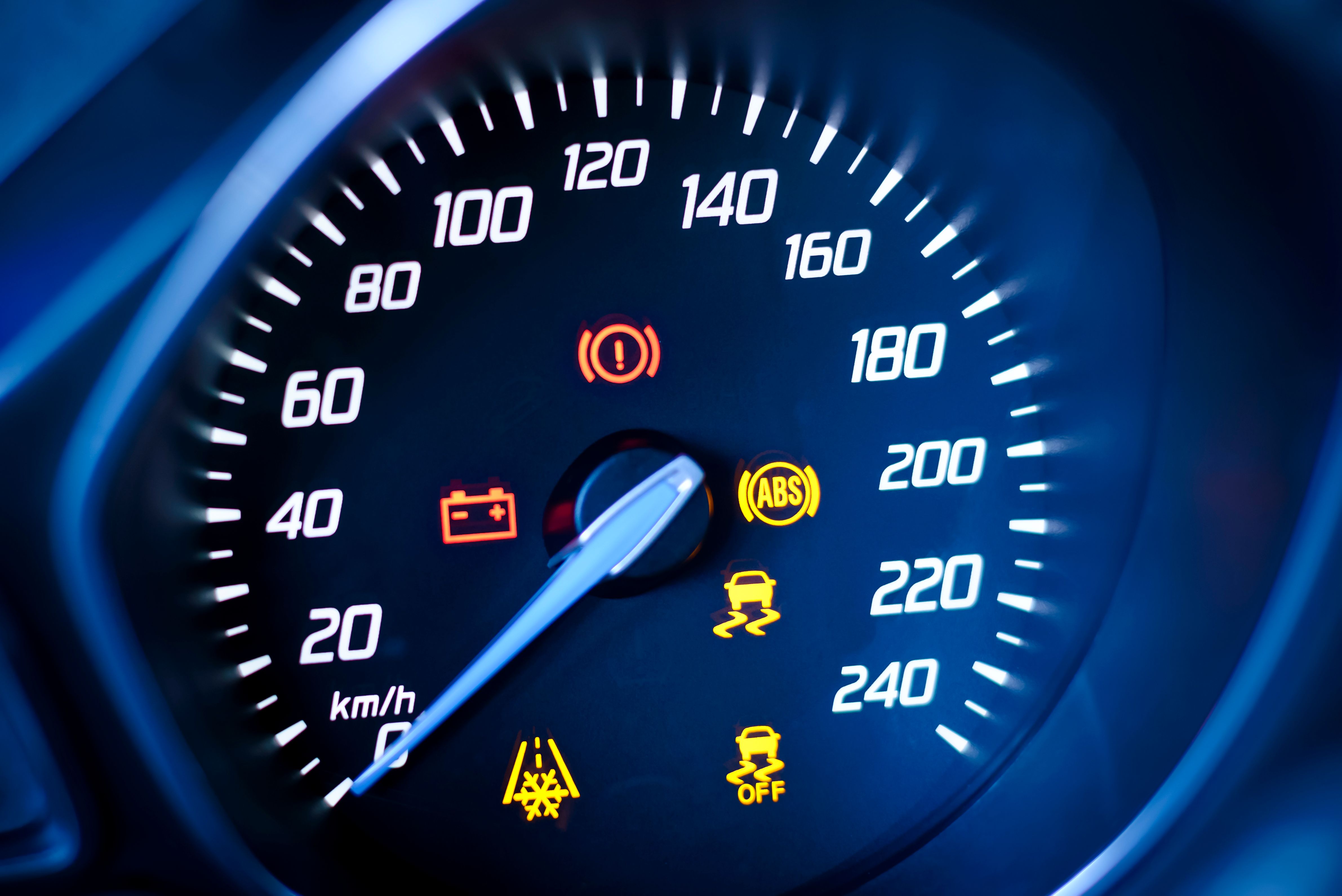
The Battery Alert light signals a problem with the vehicle's charging system. This could be a sign of a failing alternator, battery issues, or corroded terminals. If this light comes on, check your battery connections and consider getting your charging system evaluated.
Brake System Warning
The Brake System Warning light might indicate a problem with the brake system, such as low brake fluid or an issue with the brake pads. This could affect your vehicle's stopping ability, so it’s crucial to address this warning immediately to ensure your safety.
Coolant Temperature Warning
The Coolant Temperature Warning light indicates that your engine is overheating. This could be due to a coolant leak, a malfunctioning thermostat, or a failing radiator. Pull over safely, turn off the engine, and allow it to cool before checking the coolant level.
Conclusion
Understanding these common dashboard warning lights can help you maintain your vehicle and ensure your safety. Regular maintenance and prompt attention to these signals can prevent minor issues from becoming major problems.
Remember, your vehicle's dashboard is like a built-in diagnostic tool. Paying attention to it can keep your car running smoothly and save you from unexpected breakdowns.