
Understanding Dashboard Warning Lights: A Comprehensive Guide for Bristol Drivers


As a driver in Bristol, understanding your vehicle's dashboard warning lights is crucial for maintaining both safety and performance. These lights serve as indicators of your car’s health, alerting you to potential issues that might require immediate attention.
What Are Dashboard Warning Lights?
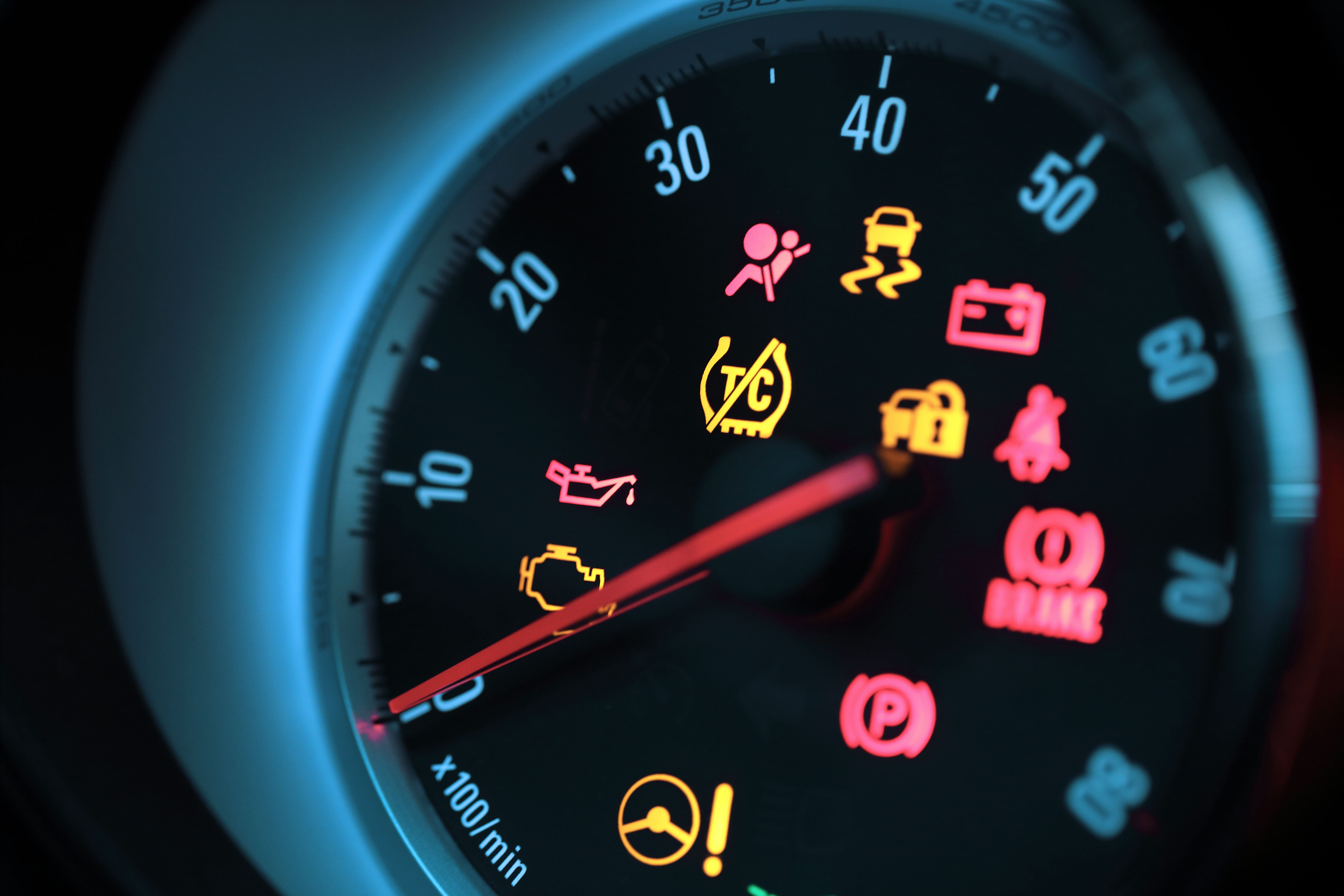
Dashboard warning lights are part of your vehicle's alert system, designed to notify you of issues ranging from minor to critical. These lights typically appear when you start your car and should disappear soon after. If they remain illuminated, it indicates that you may need to investigate further.
It’s important to know that not all warning lights signal severe problems. However, understanding what each light means can help you react appropriately and avoid costly repairs down the line.
Common Dashboard Warning Lights
Here are some of the most common dashboard warning lights you might encounter:
- Engine Management Light: Often resembling the shape of an engine, this light can indicate a range of issues, from a loose fuel cap to more significant engine troubles.
- Brake Warning Light: This light may suggest that your brake fluid levels are low or that there is an issue with your braking system.
- Battery Warning Light: Indicates a problem with your car’s charging system, which could affect the battery or alternator.
How to Respond to Warning Lights
When a warning light illuminates, your first step should be to consult your vehicle’s manual for guidance. Some issues may be easily resolved at home, while others may require professional attention.
For example, if the oil pressure light comes on, check your oil levels immediately. Running your engine with low oil can cause significant damage.
Preventative Maintenance Tips
Routine maintenance can help prevent warning lights from appearing. Here are some tips to keep your car running smoothly:
- Regular Oil Changes: Ensure your engine is well-lubricated and functioning efficiently.
- Brake Inspections: Regularly check brake pads and fluid levels to ensure your braking system is in top condition.
- Battery Checks: Test your battery and charging system periodically to avoid unexpected failures.
When to Seek Professional Help
If a warning light persists after you've addressed the potential issues, it may be time to seek professional help. A qualified mechanic can run diagnostics to pinpoint the exact problem, ensuring your vehicle remains safe and reliable.
In Bristol, there are numerous reputable service centers ready to assist with any dashboard warning concerns. Ignoring these alerts can lead to more severe problems, so timely intervention is key.
Understanding your dashboard warning lights can significantly enhance your driving experience and safety. Regular maintenance and prompt responses to any alerts will ensure your vehicle remains in optimal condition.