
Understanding Your Car’s Dashboard: A Guide to Bristol Dash Light Diagnostics


Understanding Your Car’s Dashboard
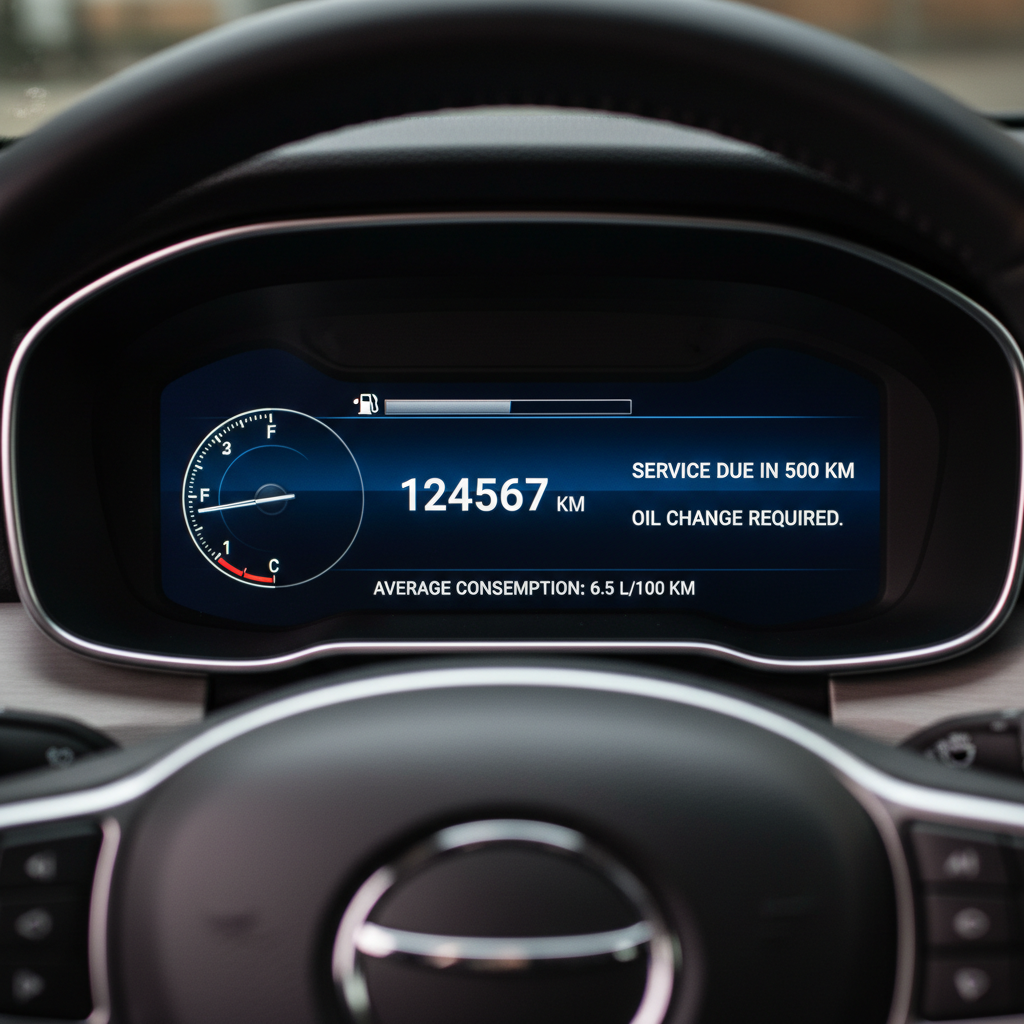
Your car’s dashboard is an essential communication hub between you and your vehicle. It provides crucial information about your car's performance and alerts you to potential issues. Understanding the meaning behind each dash light can help you take timely actions and maintain your car's health.
Dashboard lights are designed to catch your attention with their colors and symbols. Typically, these lights are categorized by color: red indicates a problem that needs immediate attention, yellow or orange suggests caution, and green or blue usually means that a system is active or functioning.
Common Dashboard Lights and Their Meanings
Engine Warning Light
One of the most critical warning lights is the engine warning light. If this light illuminates, it could indicate a variety of issues ranging from a loose gas cap to more severe engine problems. It's advisable to have your vehicle checked by a professional as soon as possible.
Oil Pressure Warning
If the oil pressure warning light comes on, it means that your car's oil pressure is too low. Low oil pressure can lead to engine damage, so it's important to check your oil level and add oil if necessary, or visit a mechanic for further inspection.
Tips for Responding to Dashboard Warnings
Immediate Actions
When a red warning light appears, it’s crucial to address it immediately. For instance, if the brake warning light is on, check your brake fluid level and seek professional help if needed. Ignoring red lights can lead to serious safety risks.
Regular Maintenance
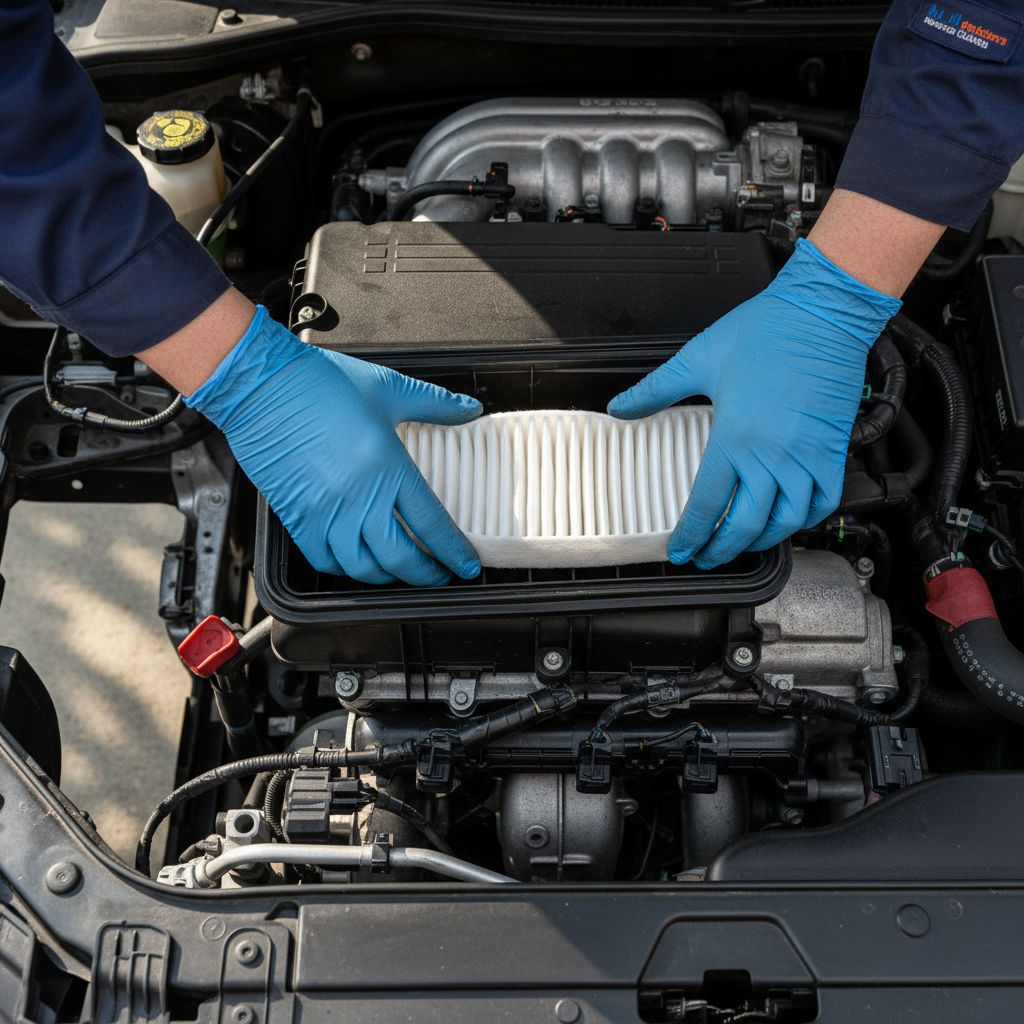
Regularly scheduled maintenance can prevent many dashboard warnings. By keeping up with oil changes, brake inspections, and fluid top-ups, you can reduce the likelihood of unexpected issues. This proactive approach not only keeps you safe but also extends the life of your vehicle.
Using Diagnostic Tools
For those who prefer a hands-on approach, investing in an OBD-II scanner can be beneficial. This tool allows you to read diagnostic trouble codes from your car's computer, giving you insights into what might be wrong before visiting a mechanic.
These scanners are user-friendly and can save you time and money by identifying issues early. However, it’s always a good idea to consult with a professional mechanic for comprehensive diagnostics and repairs.
Conclusion
Understanding your car’s dashboard and its warning lights is crucial for safe driving and vehicle maintenance. Pay attention to any changes, and don't hesitate to seek professional help when needed. By staying informed and proactive, you can ensure a smoother and safer driving experience.