
Understanding Your Car's Warning Lights: A Guide to Auto Diagnostics


Modern cars are equipped with a complex network of sensors and warning lights that keep you informed about the vehicle's health. Understanding these warning lights is crucial, as they can help prevent minor issues from turning into major repairs.
When a warning light illuminates on your dashboard, it can be alarming. However, not all lights indicate a severe problem. By learning what each symbol means, you can better assess the situation and take the appropriate action.
What Are Car Warning Lights?
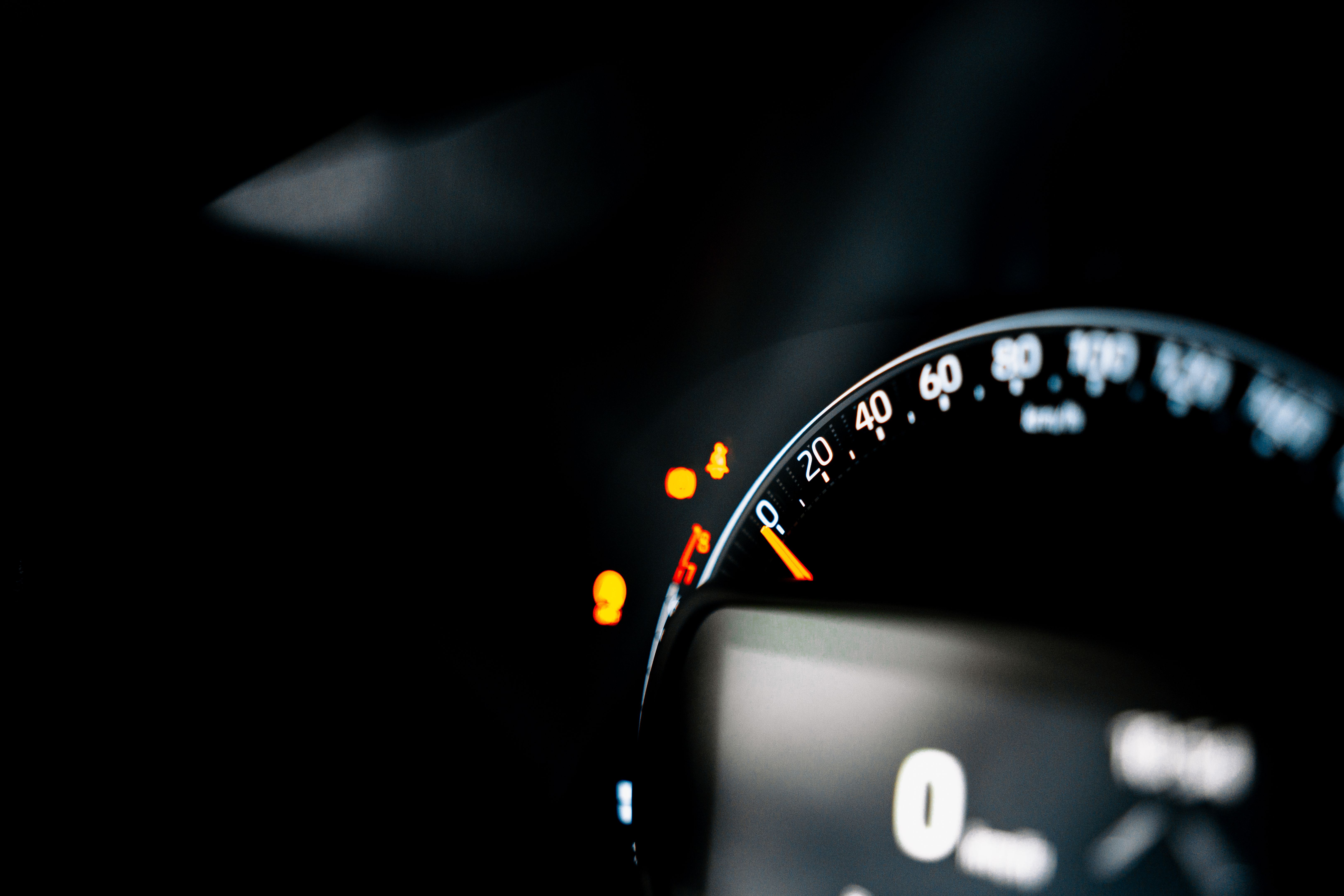
Car warning lights are visual alerts on your dashboard that indicate the status of various systems in your vehicle. They can range from engine diagnostics to low fuel alerts. These lights are color-coded: red typically signifies a serious issue, yellow or orange indicates a warning, and green or blue usually means that a system is active.
Common Warning Lights
- Check Engine Light: Often the most dreaded, this light can indicate anything from a loose gas cap to a serious engine problem.
- Battery Alert: Signals issues with the charging system, which could lead to a dead battery.
- Oil Pressure Warning: Indicates a loss of oil pressure, which can severely damage the engine if not addressed immediately.
How to Respond to Warning Lights
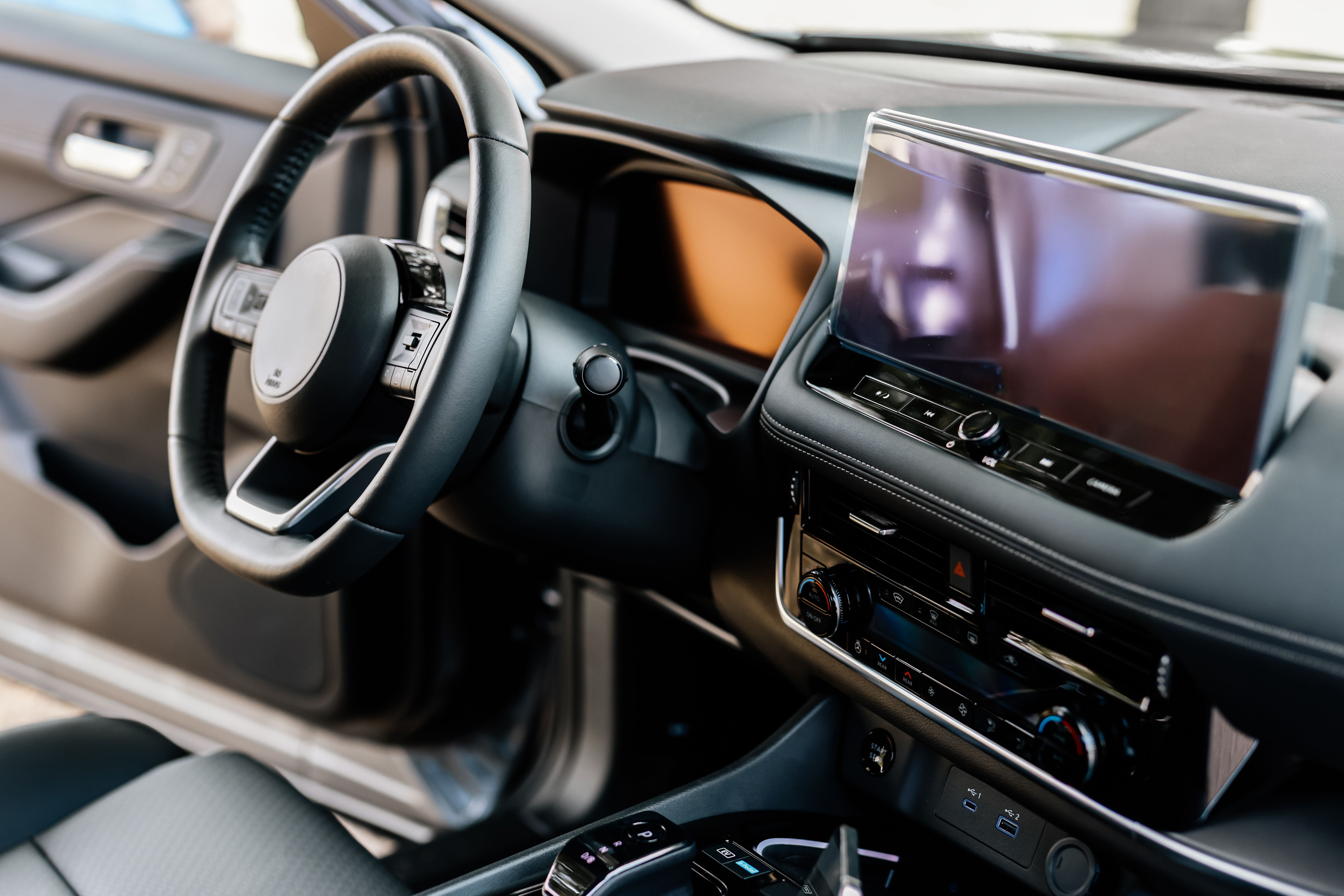
When a warning light comes on, don't panic. First, refer to your vehicle’s manual to understand the specific warning. It’s important to know which lights require immediate attention and which ones can wait.
Immediate Actions
- Stop and Check: If a red light appears, safely pull over and assess the situation.
- Contact a Professional: For lights indicating serious issues, it’s best to consult a mechanic.
- Routine Check-ups: Regular maintenance can prevent many warning lights from appearing.

The Role of Technology in Diagnostics
Many modern vehicles come with advanced diagnostic systems that can provide specific error codes. These codes can be read with an OBD-II scanner, offering insights into the issue. This technology empowers car owners to understand problems without immediately visiting a mechanic.
Understanding your car's warning lights is an essential part of vehicle ownership. By familiarizing yourself with these signals, you can maintain your car's health, ensure safety, and potentially save on costly repairs.