
Understanding Your Dashboard: A Guide to Car Warning Lights


Introduction to Car Warning Lights
Owning a car comes with the responsibility of understanding its various systems, especially the dashboard warning lights. These lights are crucial indicators of your vehicle’s health. Ignoring them can lead to costly repairs or even safety hazards. In this guide, we'll explore the most common warning lights and what they mean for your vehicle.
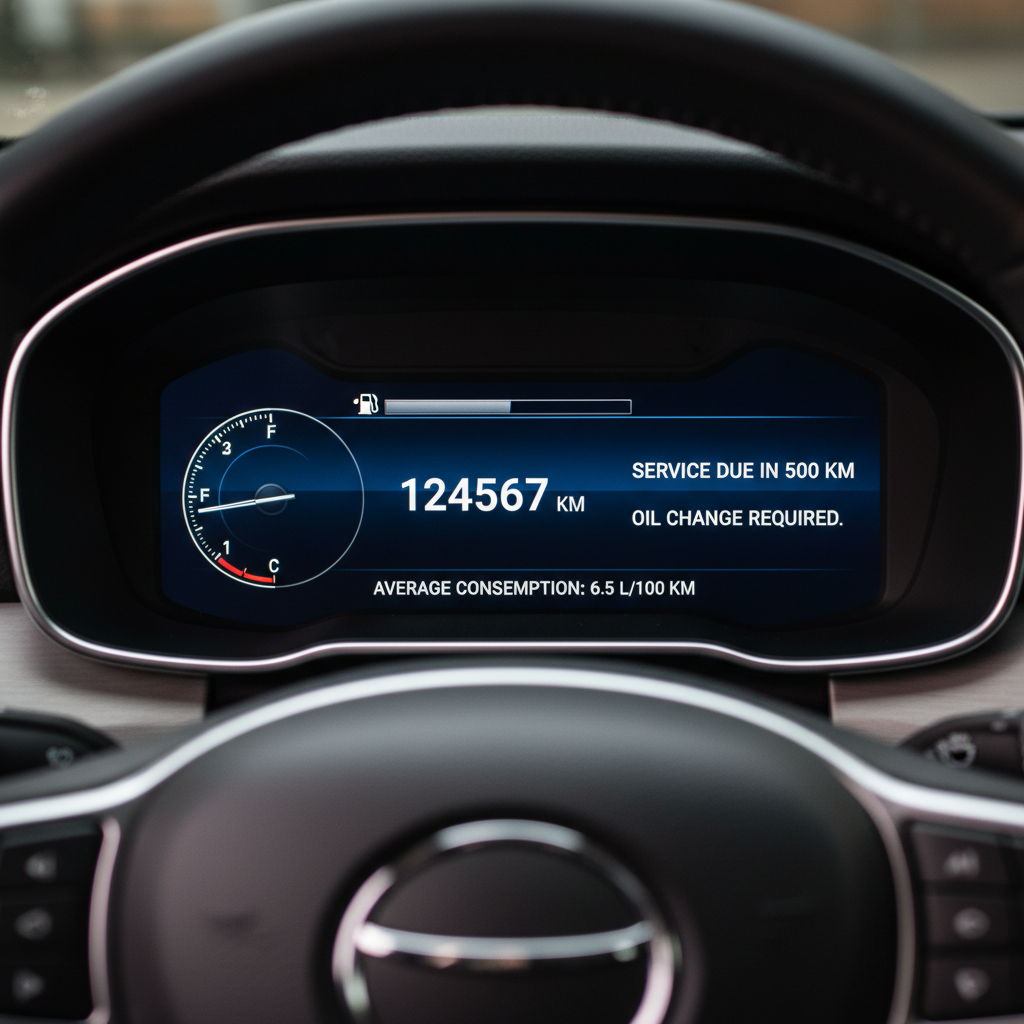
Engine Warning Light
The engine warning light, often depicted as an engine symbol, signals a potential issue with your car’s engine. This could range from minor problems like a loose gas cap to serious engine malfunctions. If this light stays on, it's essential to have your vehicle checked by a professional mechanic.
Battery Alert Light
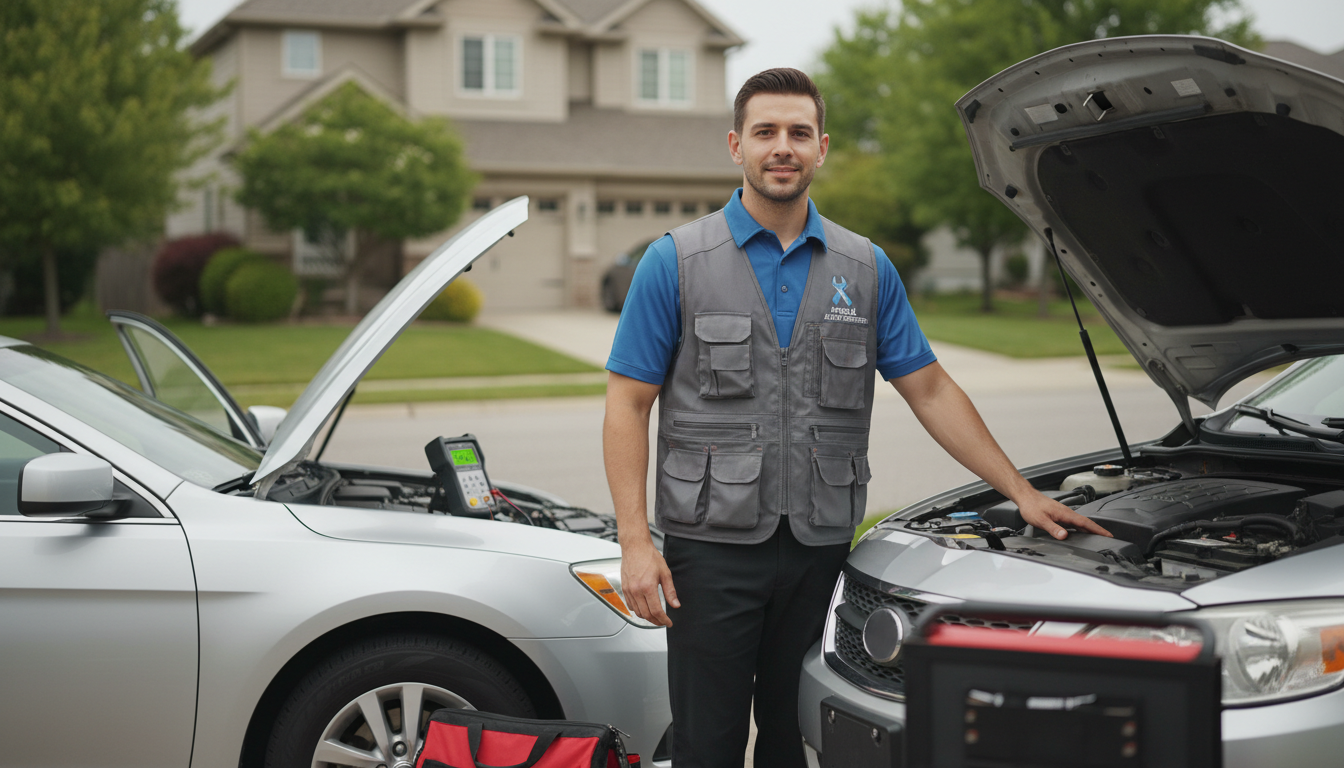
The battery alert light indicates an issue with the car’s charging system. This could be due to a failing alternator, a loose battery connection, or a dead battery. If this light appears while driving, it’s advisable to check your battery connections and seek assistance if needed.
Safety and Braking System Lights
Safety and braking systems are vital for your vehicle’s performance. Understanding the warning lights associated with these systems can prevent accidents and ensure your car operates smoothly.
ABS Warning Light
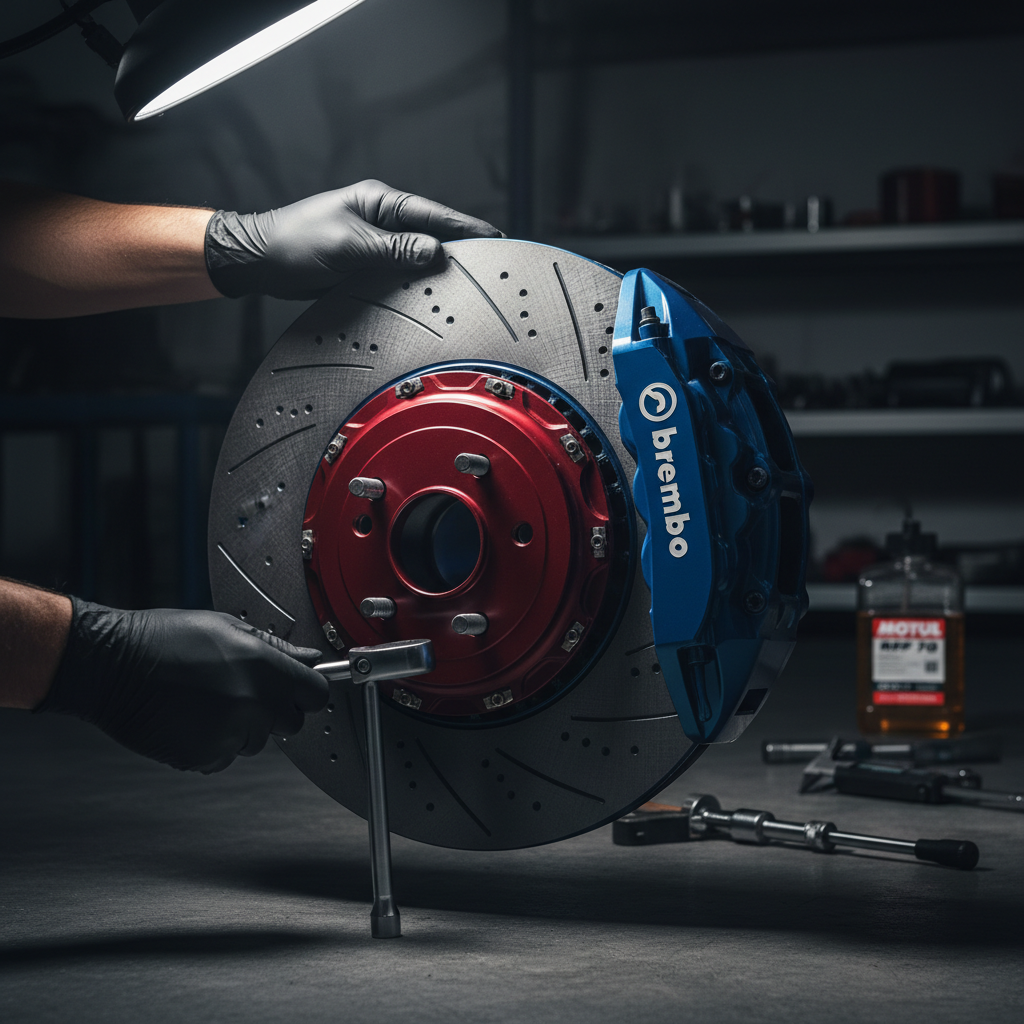
The ABS (Anti-lock Braking System) light indicates a problem with the anti-lock braking system. While your car can still brake, the ABS feature may not function correctly. It’s recommended to have your brakes inspected to maintain optimal safety.
- Check brake fluid levels.
- Inspect brake pads and rotors.
- Seek professional help if the light persists.
Brake System Warning Light
The brake system warning light is often a red exclamation mark inside a circle. This signifies a potential issue with the braking system, such as low brake fluid or a malfunctioning brake component. Immediate attention to this light is crucial for safe driving.
Tire Pressure Monitoring System (TPMS) Light
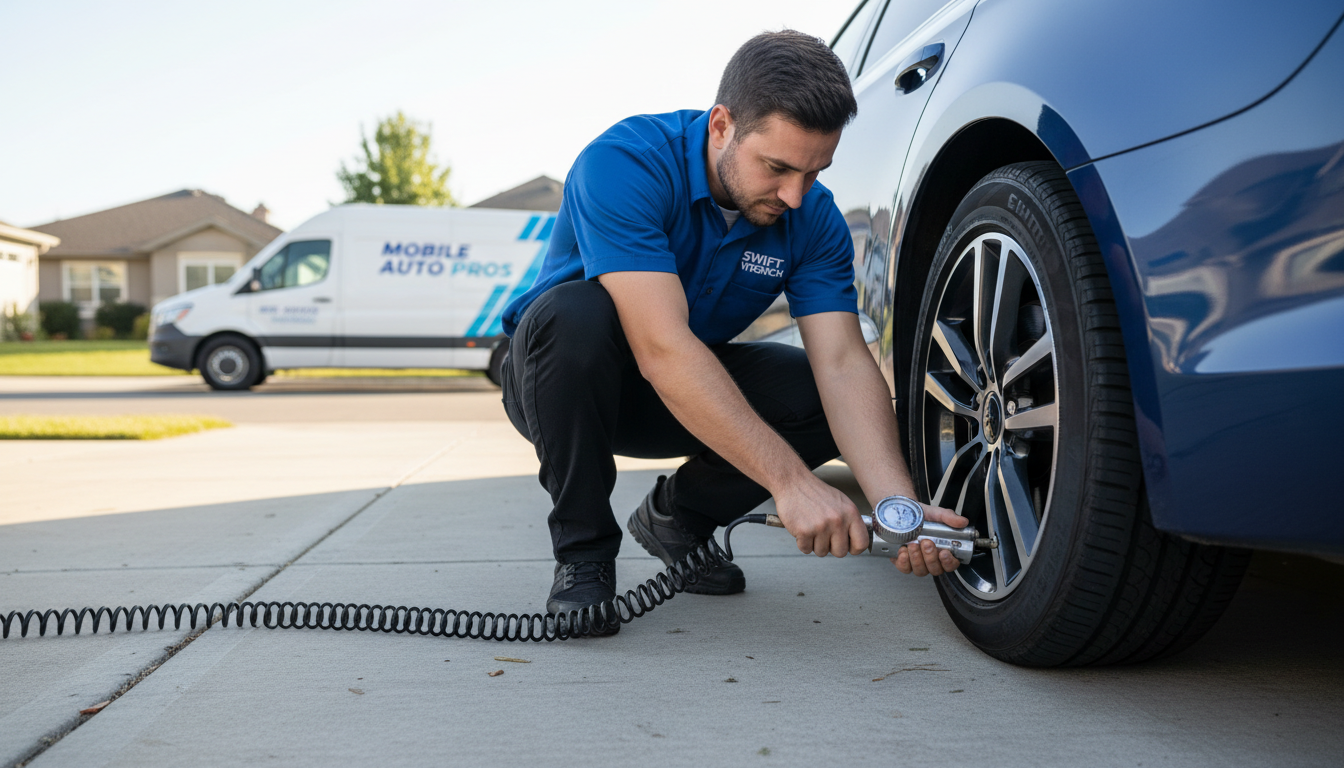
The TPMS light warns of insufficient tire pressure, which can affect fuel efficiency and tire lifespan. Regularly checking your tire pressure can prevent this light from appearing and ensure a smoother ride.
Conclusion
Understanding your car’s dashboard warning lights is essential for maintaining vehicle health and ensuring safety. Regular maintenance and prompt attention to these lights can prevent minor issues from escalating into major problems. Always consult your car’s manual for specific information related to your vehicle's warning lights.