
Understanding Your Dashboard: Common Car Warning Lights Explained


Understanding Your Dashboard: Common Car Warning Lights Explained
Modern vehicles are equipped with a variety of dashboard warning lights to alert drivers to potential issues. While some of these lights indicate minor concerns, others can signal serious problems that require immediate attention. Understanding what each light means can help you respond appropriately and keep your car running smoothly.
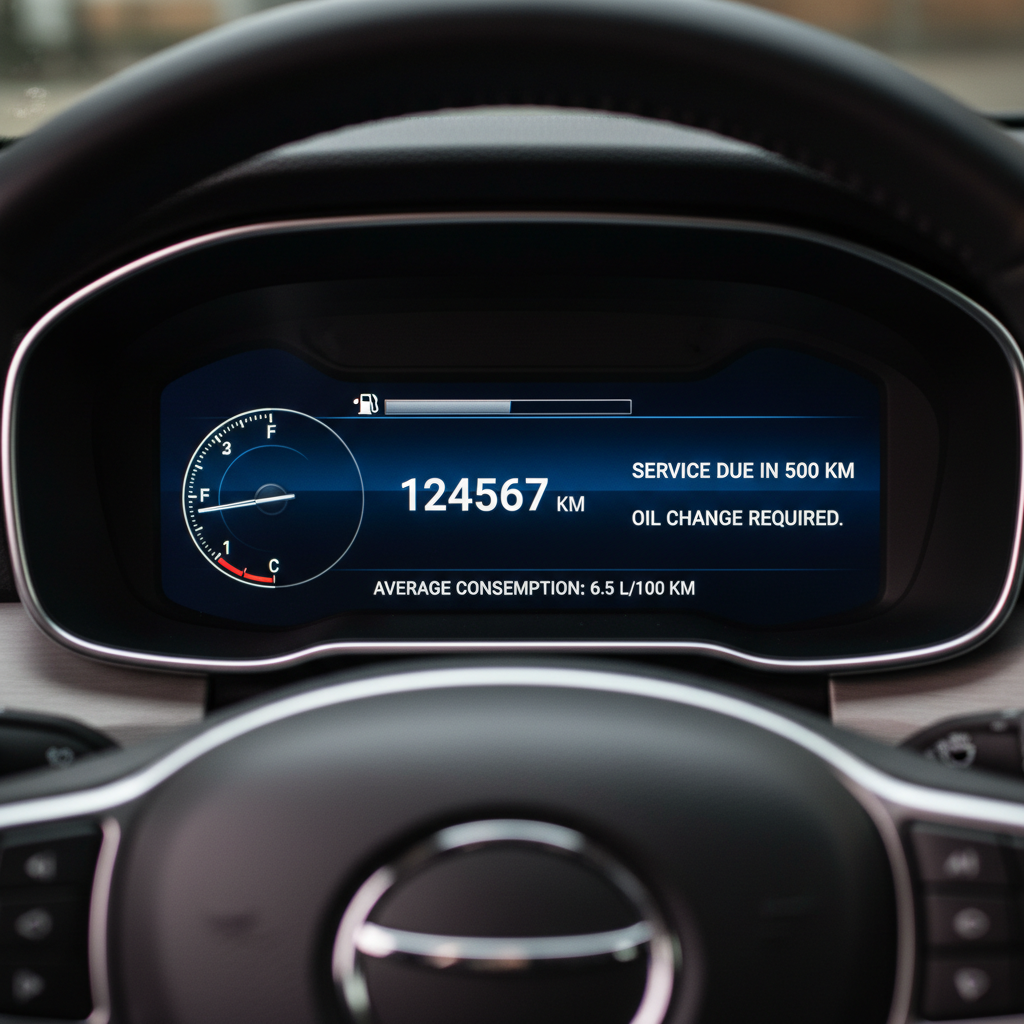
Check Engine Light
The check engine light is one of the most common and often misunderstood warning lights. This light can indicate a range of issues, from a loose gas cap to more serious engine problems. If this light comes on, it’s a good idea to have your vehicle checked by a professional to diagnose the specific cause.
Ignoring the check engine light can lead to more significant problems over time. If the light is flashing, it’s important to stop driving and seek immediate assistance as this indicates a severe issue.
Battery Alert
The battery alert light signals a problem with your vehicle’s charging system. This could be due to a failing alternator, a loose or corroded battery cable, or a damaged battery. If this light appears, it’s advisable to have your battery and electrical system inspected.

Driving with a compromised charging system can result in your car losing power unexpectedly, which can be both inconvenient and dangerous.
Oil Pressure Warning
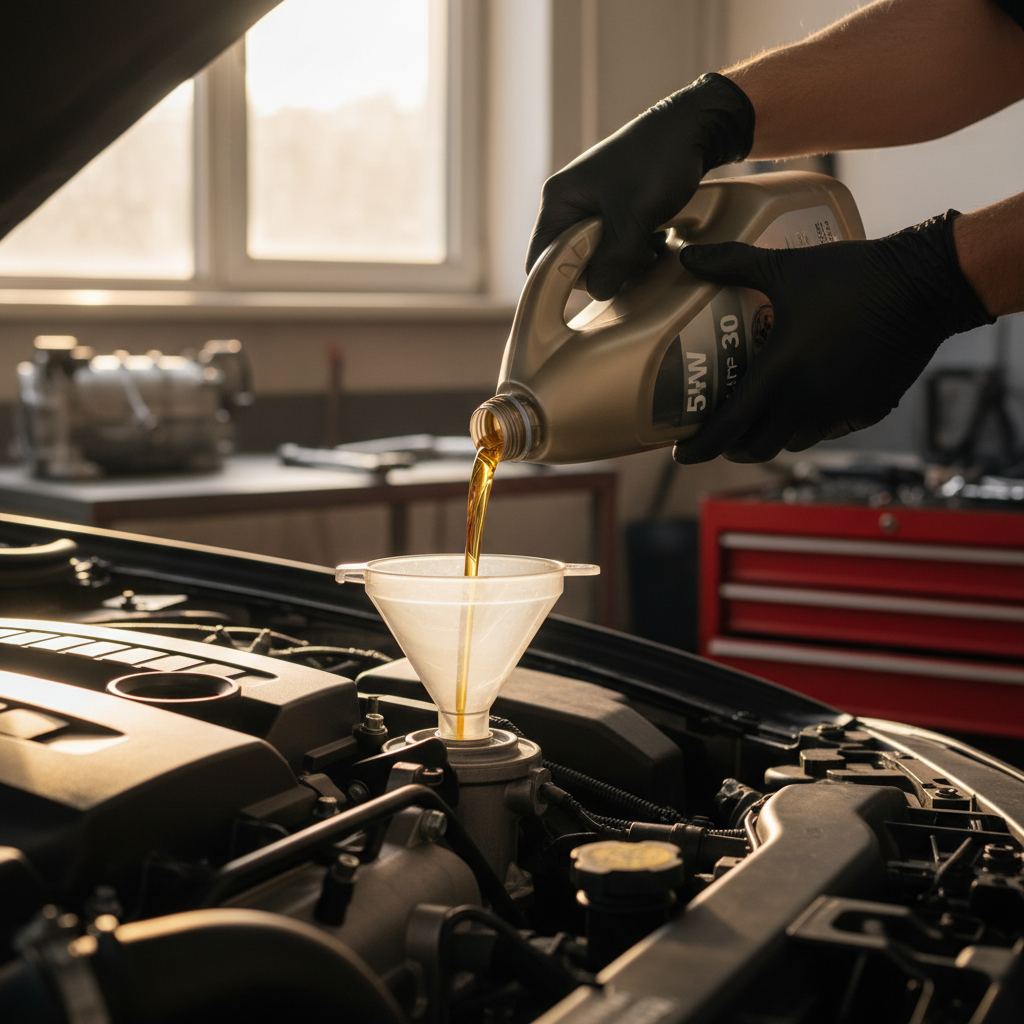
The oil pressure warning light is a critical alert indicating that your engine’s oil pressure is low. This could result from low oil levels, a faulty oil pump, or an oil leak. If this light comes on, pull over safely and check the oil level.
Continuing to drive with low oil pressure can cause severe engine damage. If adding oil doesn’t turn off the light, seek professional assistance immediately.
Tire Pressure Monitoring System (TPMS)
The TPMS light warns you when your tire pressure is too low, which can lead to reduced fuel efficiency, poor handling, and increased tire wear. It’s essential to check your tire pressure regularly and keep it at the recommended level.
Low tire pressure can also increase the risk of a tire blowout. If the TPMS light remains on after inflating your tires, there might be a puncture or another issue requiring attention.
Brake System Alert
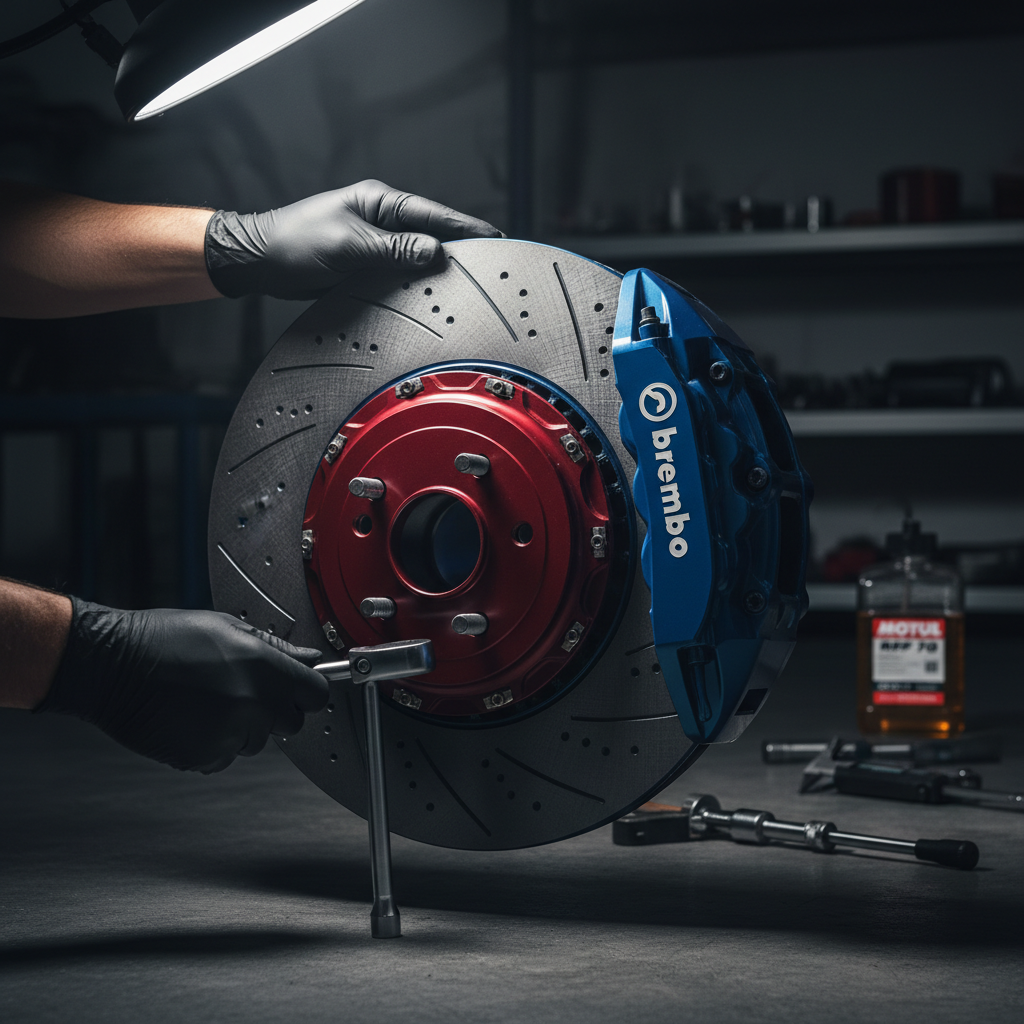
The brake system alert light can indicate a variety of issues, including low brake fluid, a problem with the anti-lock braking system (ABS), or worn brake pads. This warning should never be ignored, as it affects your vehicle’s ability to stop safely.
If this light comes on, check the brake fluid level and consult a mechanic if necessary. Safe braking is crucial for your safety and that of others on the road.
Understanding these common car warning lights can help you maintain your vehicle’s health and ensure your safety on the road. Regular maintenance and prompt attention to warning lights can prevent minor issues from becoming major repairs. Always consult your vehicle’s manual for specific guidance related to your model.