
Understanding Your Engine Warning Light: What Does It Mean?


Introduction to the Engine Warning Light
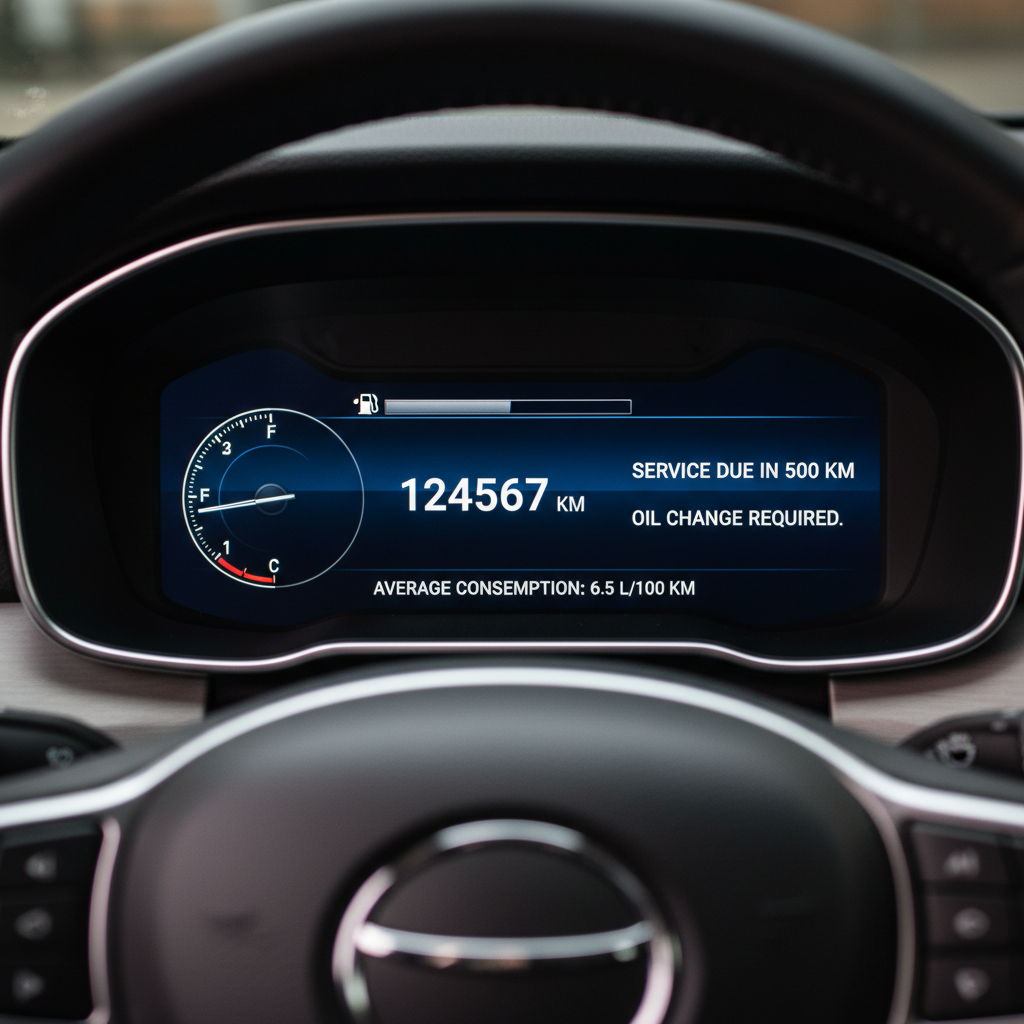
Seeing an engine warning light illuminate on your dashboard can be alarming. This light, often referred to as the "check engine" light, serves as an alert to potential issues within your vehicle's engine or emissions system. Understanding what it means can help you respond appropriately and avoid further damage.
What Triggers the Engine Warning Light?
The engine warning light can be triggered by a variety of issues. A common cause is a loose or damaged gas cap. However, it can also indicate more serious problems such as a malfunctioning oxygen sensor, catalytic converter issues, or spark plug problems. It's crucial to identify the specific cause to prevent potential damage to your vehicle.
Common Causes
- Loose or faulty gas cap
- Oxygen sensor malfunction
- Faulty spark plugs
- Issues with the catalytic converter
How to Respond When the Light Comes On
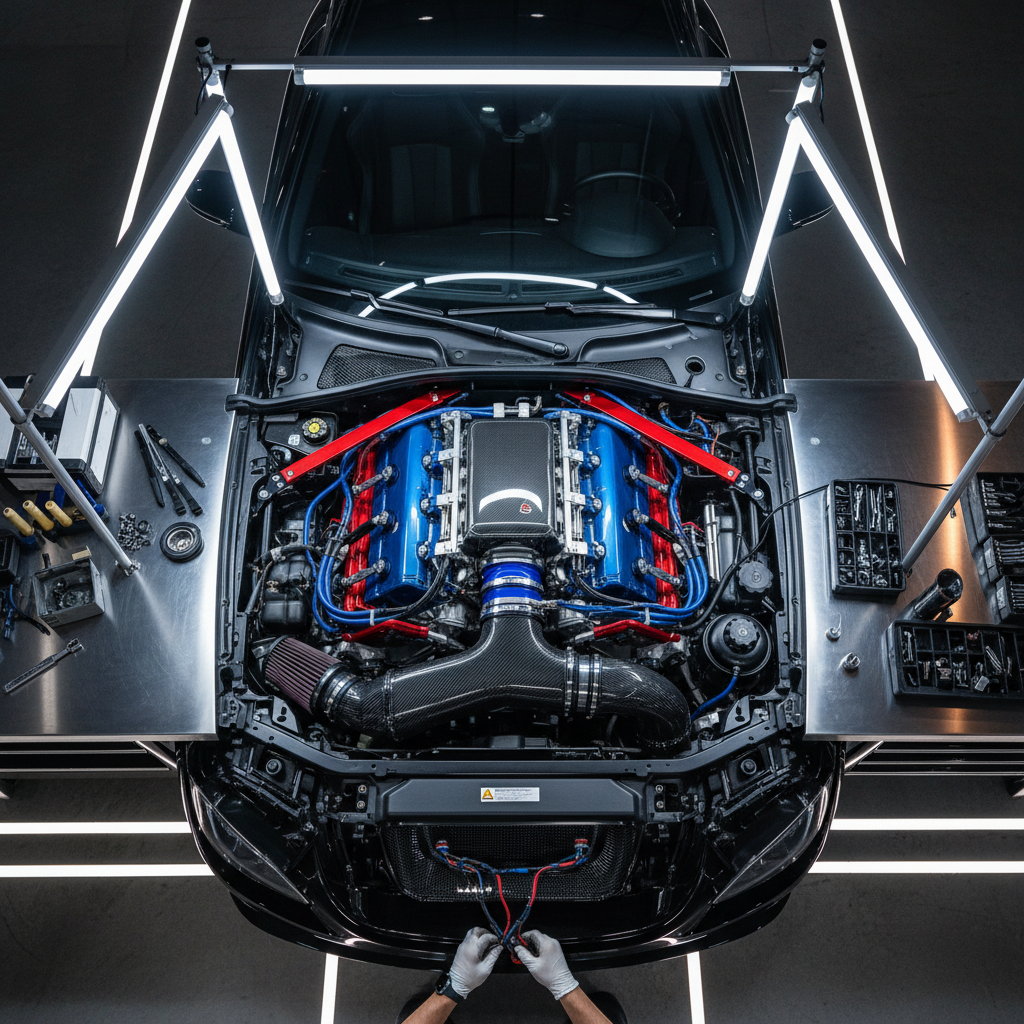
When the engine warning light turns on, it's important not to panic. Start by checking if the gas cap is securely fastened. If the light remains on, it's advisable to consult a professional mechanic to diagnose the issue. Ignoring the light can lead to more severe damage and costly repairs.
Immediate Steps to Take
- Check the gas cap and tighten if necessary.
- Observe any unusual symptoms in your vehicle's performance.
- Schedule a diagnostic check with a mechanic.
Understanding Diagnostic Codes
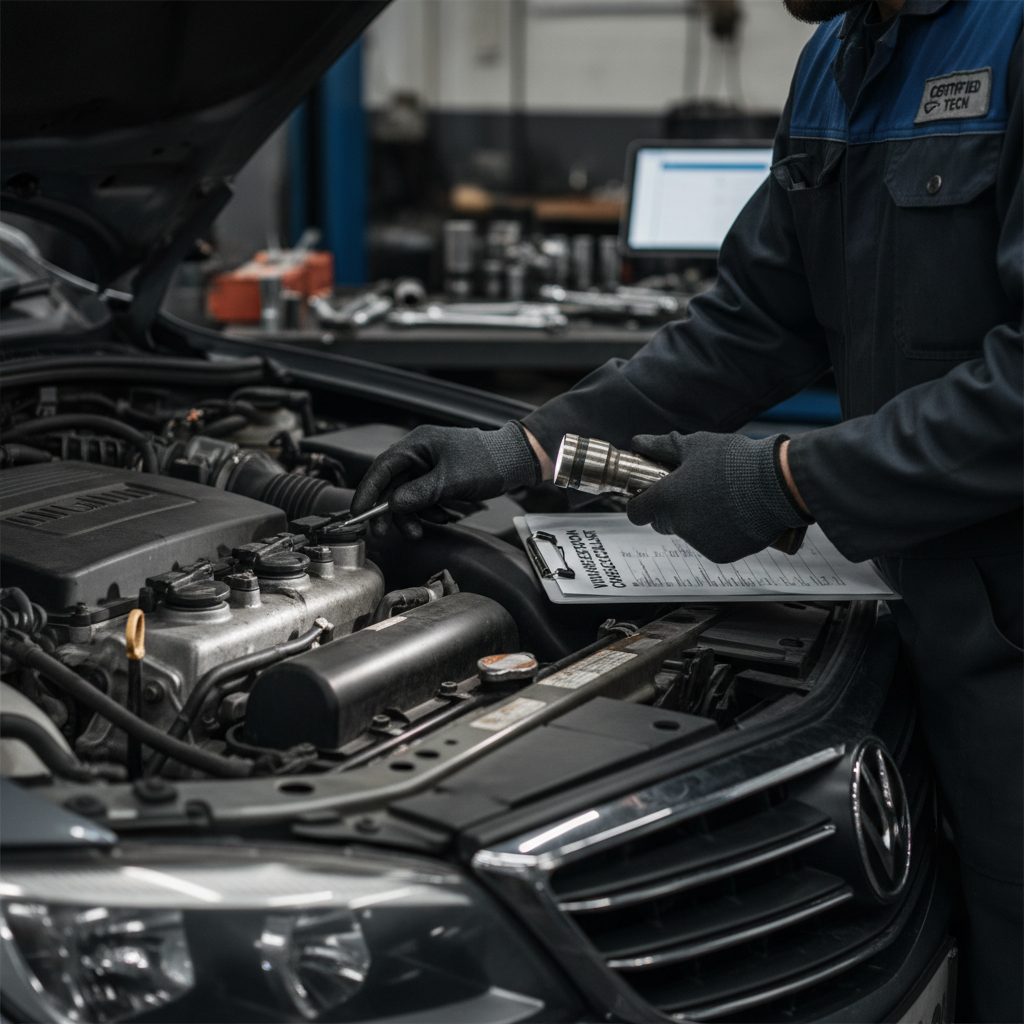
Modern vehicles are equipped with an onboard diagnostics system (OBD-II) that stores trouble codes related to the engine warning light. A mechanic can read these codes using a special scanner, providing valuable information about the specific problem. Understanding these codes can aid in a quicker and more accurate repair process.
Benefits of Diagnostic Codes
Diagnostic codes help pinpoint the exact issue, saving time and reducing guesswork. This efficiency not only speeds up the repair process but also minimizes the risk of further damage by addressing the problem promptly.
Preventive Measures to Avoid Triggering the Light
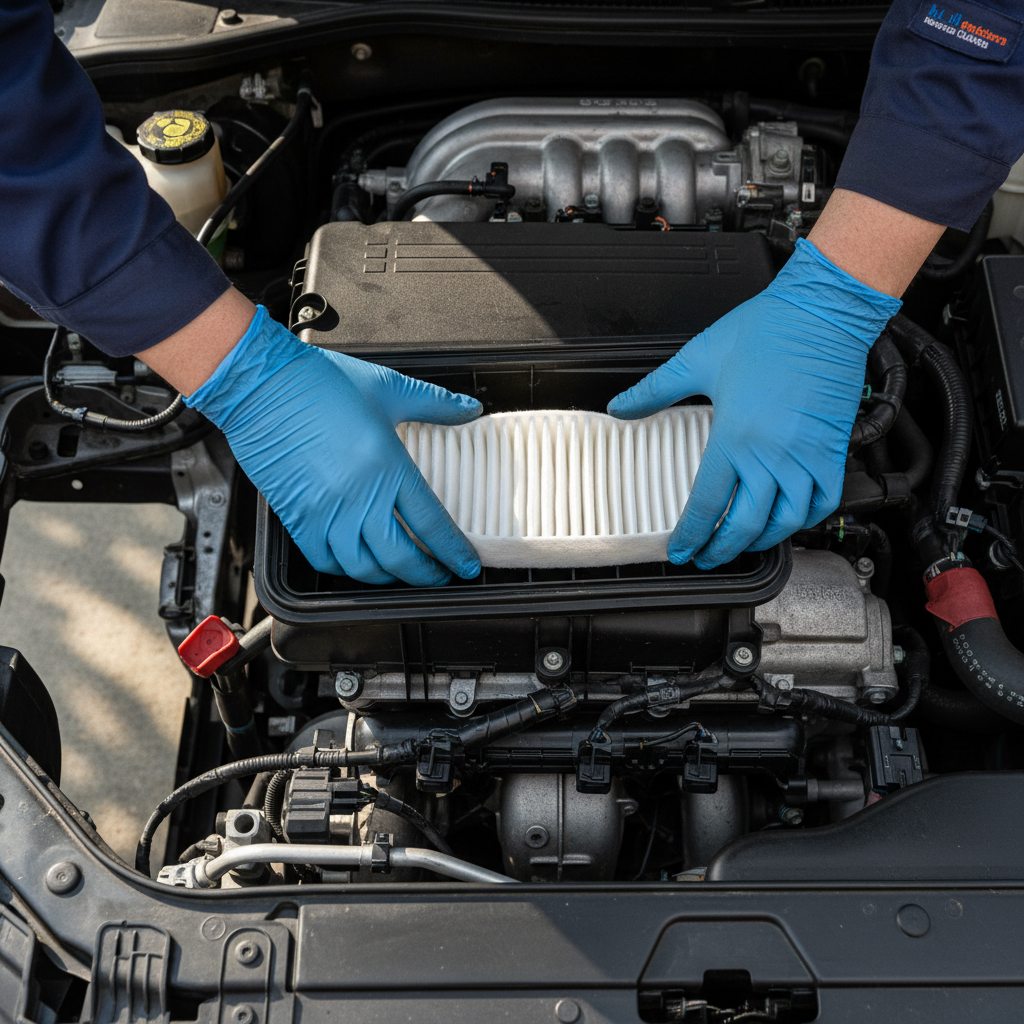
Regular maintenance is key to preventing the engine warning light from activating. Routine checks and timely servicing can help you avoid many common causes of engine issues. Maintaining your vehicle's health is essential for safety and longevity.
Maintenance Tips
- Regularly check and replace spark plugs.
- Ensure the gas cap is always secure.
- Schedule regular emissions tests.
- Keep up with oil changes and other routine services.
Conclusion
The engine warning light is a crucial feature of your vehicle that helps prevent damage by alerting you to potential issues. Understanding its significance and how to respond can save you time and money. By staying informed and proactive, you can keep your vehicle running smoothly and efficiently.